
Crude Price Drop: FCCPC Demands Lower Petrol Prices
The FCCPC has urged refiners and fuel marketers to reduce petrol and diesel prices following falling global crude oil costs, warning against unfair pricing practices.
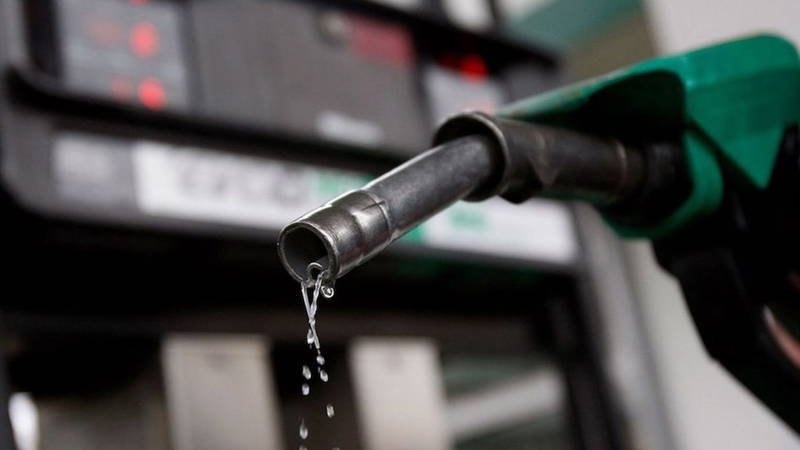
The Federal Competition and Consumer Protection Commission (FCCPC) has called on petroleum refiners and marketers to reduce petrol and diesel prices following the recent decline in international crude oil prices.
The commission said Nigerians should benefit from lower production and supply costs rather than continue paying elevated prices at filling stations despite easing global oil prices.
The Executive Vice Chairman and Chief Executive Officer of the FCCPC, Tunji Bello, made the position known in a statement issued on Tuesday, November 10, 2026, by the commission’s Director of Corporate Affairs, Ondaje Ijagwu.
Bello said the commission was closely monitoring developments in the international oil market to ensure that falling crude prices translated into reductions in domestic petroleum prices.
According to the commission, Brent crude futures have declined from a peak of approximately $115 per barrel in September to below $90 per barrel this week.
However, petrol prices remain between ₦1,405 and ₦1,420 per litre in Abuja, while motorists in Lagos pay between ₦1,325 and ₦1,370 per litre.
The FCCPC noted that before the outbreak of the conflict involving the United States, Israel and Iran on February 28, 2026, Brent crude futures closed at $72.48 per barrel. At the time, petrol sold for between ₦839 and ₦925 per litre in Lagos and Abuja.
Bello argued that a sustained decline in international crude prices should result in lower wholesale and retail petroleum costs.
“If the decline in crude prices is sustained, there is no justification for refiners and marketers to continue to keep petrol and diesel prices relatively high,” he said.
He added that the resulting savings should reach consumers at filling stations without unnecessary delays.
The FCCPC acknowledged that domestic fuel prices are influenced by several factors, including refining expenses, foreign exchange movements, transportation, financing and distribution costs.
However, it maintained that businesses must operate fairly and ensure that consumers benefit from improved market conditions.
Bello disclosed that the commission would collaborate with the Nigerian Midstream and Downstream Petroleum Regulatory Authority and other relevant agencies to monitor wholesale and retail prices.
He clarified that the FCCPC does not regulate or approve petroleum prices in Nigeria’s deregulated downstream market but has the responsibility to prevent anti-competitive conduct and protect consumers from unfair practices.
The commission warned that it would take appropriate action where evidence shows that businesses are deliberately preventing consumers from benefiting from lower costs.
The intervention comes amid persistent public concern over high fuel prices and their impact on transportation, household expenses and business operations across Nigeria.
Sponsored

Related stories
 News
Oil Price Falls Below $90 Per Barrel for First Time Since August 31
Brent crude has dropped below $90 for the first time since August 31, as easing geopolitical tensions and rising supply weigh on global markets.
 News
No Nigerian Leader Since 1960 Has Embarked on Comprehensive Structural Reforms Like Tinubu — Alake
Dele Alake says Tinubu’s reforms are unprecedented in Nigeria’s history, challenging critics to a public debate over their scale and impact.
 News
UK Backs Nigeria’s Proposed $750m Pension Infrastructure Fund
The UK is supporting Nigeria’s proposed $750 million pension infrastructure fund, which aims to finance energy, transport and digital projects.
 News
NLC Backs Striking Osun Workers, Demands Release of Withheld LG Funds
The Nigeria Labour Congress has backed striking Osun workers, demanding the release of withheld local government allocations and respect for court decisions.
Comments (0)
Leave a comment
All comments are moderated before publishing. Your email is never published.