
Cholera Scare: FCT Agency Warns Against Open Defecation as Rainy Season Heightens Outbreak Risk
The Federal Capital Territory Rural Water Supply and Sanitation Agency (RUWASSA) has issued an urgent warning to residents against open defecation in bushes and uncompleted buildings, citing the heightened risk of a cholera outbreak during the rainy season. The agency's executive director cautioned that the dangerous practice not only facilitates disease transmission but also exposes residents to reptile attacks, as the FCT intensifies sensitisation campaigns across 62 wards to promote proper sa
The Federal Capital Territory Rural Water Supply and Sanitation Agency (RUWASSA) has issued a stern warning to residents against open defecation in bushes and uncompleted buildings, citing the heightened risk of a cholera outbreak amid the ongoing rainy season. The agency also advised against indiscriminate open defecation in public spaces, emphasising that adherence to sanitation policies remains non-negotiable for the health and safety of all residents.
Dr Joyce Chinyere Echoke, Executive Director of FCT RUWASSA, raised the alarm while speaking with Blueprint on the challenges associated with the current climatic condition at the weekend. She cautioned that the practice of using bushes and uncompleted buildings for defecation is not only unhealthy but also dangerously exposes individuals to reptile attacks, as cold weather drives snakes and other hazardous creatures into such shelters. "The idea of using bushes and uncompleted buildings for defecation, besides not being healthy, was also dangerous as reptiles are harbored there because of the cold weather," Echoke stated.
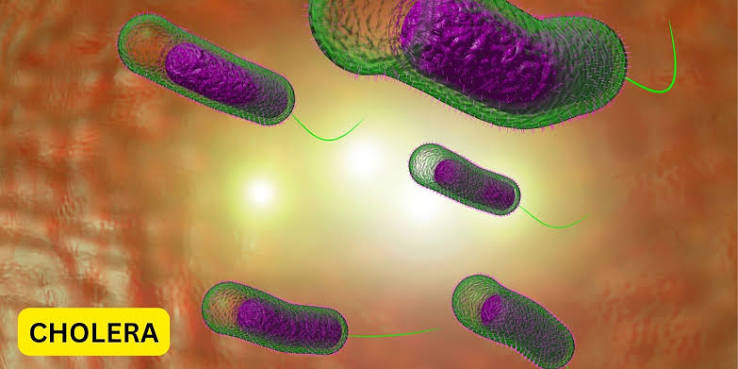
The warning comes at a critical time as the rainy season creates ideal conditions for the transmission of waterborne diseases. Cholera, an acute diarrhoeal illness caused by ingestion of food or water contaminated with the bacterium *Vibrio cholerae*, thrives in environments with poor sanitation and inadequate access to clean water. Open defecation contaminates water sources and soil, creating a direct pathway for the disease to spread rapidly through communities. With the rains washing faecal matter into streams, rivers and groundwater supplies, the risk of a major outbreak looms large over the FCT.
Echoke stressed that FCT residents must imbibe the culture of hand washing, as it helps break the chain of transmission for most pathogenic diseases. She noted that simple hygiene practices, including regular hand washing with soap and water, can significantly reduce the spread of cholera and other gastrointestinal infections. The executive director's emphasis on hand hygiene reflects a broader public health strategy that recognises the interconnectedness of sanitation, hygiene and disease prevention.
In response to the growing threat, FCT RUWASSA has embarked on extensive sensitisation and awareness campaigns across the 62 wards of the territory. The agency has intensified its campaign against open defecation with targeted sensitisation exercises at major motor parks, including a recent campaign at Wuse Market. The exercise focused on promoting proper sanitation and hygiene practices among transport operators, commuters, traders and other users of motor parks, recognising these high-traffic areas as critical nodes for public health messaging.
Mallam Hussaini Abdulkadir, the agency's Head of Community Mobilisation and Hygiene Promotion, who led the exercise, emphasised the importance of using designated toilet facilities and urged members of the public to desist from open defecation. He stressed that access to and proper use of toilets is critical to maintaining a clean, safe and healthy environment. Abdulkadir also highlighted the need for strict compliance with existing sanitation laws, noting that the fight against open defecation requires not only public awareness but also adherence to established regulations.
The FCT's campaign against open defecation is part of a broader national effort to achieve the Federal Government's target of ending open defecation by 2025, a commitment made under the Clean Nigeria: Use the Toilet Campaign. Despite progress in some states, the practice remains prevalent in many parts of the country, particularly in rural and peri-urban areas where access to toilet facilities is limited. According to UNICEF, Nigeria has one of the highest rates of open defecation globally, with millions of people lacking access to basic sanitation services. The consequences are devastating: diarrhoeal diseases, including cholera, remain a leading cause of child mortality in the country.
The rainy season exacerbates these challenges, as flooding and runoff spread contaminants across communities. The FCT, as the nation's capital, faces unique pressures, with rapid urbanisation and population growth straining existing sanitation infrastructure. Uncompleted buildings, often used as makeshift shelters or toilets, have become a particular concern, providing both a health hazard and a haven for dangerous wildlife.
Dr Echoke's warning about reptile attacks adds an urgent and visceral dimension to the campaign, underscoring the immediate physical dangers of open defecation beyond the long-term health risks. Residents who venture into bushes or abandoned structures to relieve themselves risk encountering snakes and other venomous creatures seeking refuge from the cold. This dual threat—disease and physical harm—reinforces the agency's message that open defecation is a practice that must be abandoned without delay.
As the FCT RUWASSA continues its awareness campaigns across the territory, the agency is calling on community leaders, religious institutions and local organisations to join the fight against open defecation. The message is clear: sanitation is a shared responsibility, and the health of the entire community depends on the actions of each individual. With the rainy season in full swing and the spectre of cholera looming, the time for action is now.
Sponsored
Related stories
 Health
Diri Orders Free Quarterly Health Checks for All Bayelsa Residents at Secondary Facilities
Governor Douye Diri has directed Bayelsa's Ministry of Health to begin free quarterly medical check-ups across all eight local government areas, aimed at helping residents who cannot afford routine screening and promoting early detection of diseases.
 Health
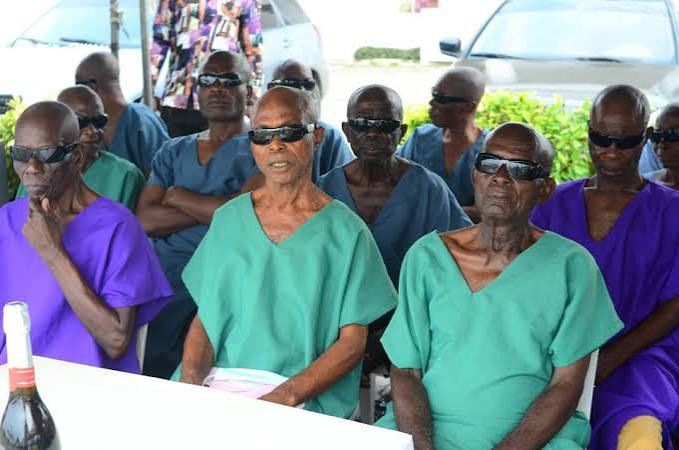
‘Priceless Gift of Sight’ Reaches 400,000 Beneficiaries
FCMB and the Tulsi Chanrai Foundation say their 15-year eye care partnership has reached over 400,000 Nigerians, as a World Sight Day roundtable in Abuja pushes for private-sector funding to sustain and expand care.
 Health
FUNAAB Launches Africa’s First AI Disease Surveillance System
Researchers at the Federal University of Agriculture, Abeokuta, have developed IDS-Master, a groundbreaking AI-powered surveillance system that detects infectious disease outbreaks in real time by analysing reports from community leaders, health agents, and ordinary residents. Described as Africa's first fully AI-driven event-based surveillance platform, the innovation promises to bridge critical gaps in outbreak detection across underserved rural communities where delays in reporting can cost l
 Health
NAFDAC Seeks Global Partners for Local Vaccine Production
The Director-General of the National Agency for Food and Drug Administration and Control (NAFDAC), Prof. Mojisola Adeyeye, has called on international partners to support the establishment of vaccine manufacturing facilities in Nigeria, saying local production is the missing link in the agency’s push to attain World Health Organisation Maturity Level 4 for vaccine lot release. She spoke at the 8th Nigeria Pharma Manufacturers’ Expo in Lagos, where she commended President Bola Tinubu’s Executive
Comments (0)
Leave a comment
All comments are moderated before publishing. Your email is never published.