
Canada Imposes Five-Year Travel Ban for Fake Documents in Visa Applications
Canada has warned immigration applicants that submitting false or altered documents or information could lead to serious consequences, including application refusal, a permanent fraud record and a ban from Canada for at least five years. Immigration, Refugees and Citizenship Canada (IRCC) said the warning covers fake passports, visas, language test results, employment and educational records, medical documents and other fraudulent information.
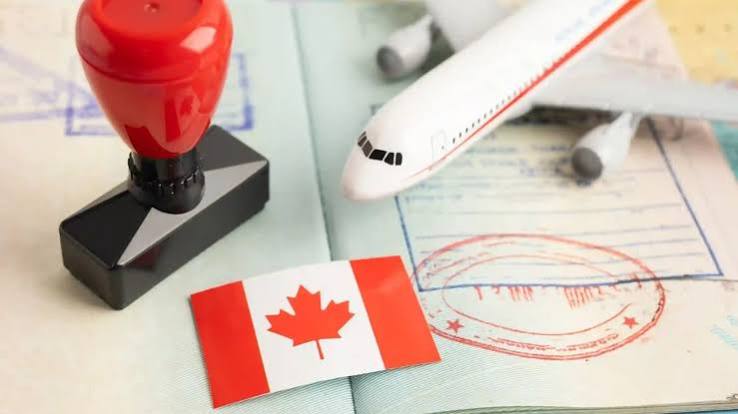
The Canadian Government has warned immigration applicants that submitting false or altered documents or information could result in a ban from Canada for at least five years.
Immigration, Refugees and Citizenship Canada (IRCC) issued the warning on Wednesday, urging applicants to provide genuine and accurate information throughout the immigration process.
The department said immigration fraud could involve altered or fraudulent passports, travel documents, visas, language test results, employment records, educational documents, relationship certificates, police certificates and court documents.
It also warned applicants to provide truthful information during medical examinations.
According to IRCC, submitting false medical documents or misleading a panel physician about existing or previous medical conditions would constitute fraud.
Applicants seeking to renew permanent resident status or apply for Canadian citizenship must also accurately disclose their physical presence in Canada.
The department said applications containing false information or documents could be refused, while offenders could receive a permanent fraud record with IRCC.
Other possible consequences include loss of temporary or permanent resident status or Canadian citizenship, a five-year bar on applying for citizenship and removal from Canada.
IRCC also warned against relationships of convenience, including marriages or common-law relationships entered into primarily to obtain Canadian immigration status.
It said immigration officers could conduct document checks, interviews and home visits to determine whether such relationships were genuine.
The department further cautioned applicants against chargeback fraud, where a visa application fee paid by credit card is reversed.
According to IRCC, such reversals could result in an application being cancelled, delayed or refused, while offenders could potentially face a travel ban of up to 10 years.
IRCC said it works with the Canada Border Services Agency, the Royal Canadian Mounted Police, foreign police services and document-issuing authorities to detect and investigate immigration fraud.
The department urged applicants to ensure that all documents and information submitted with immigration applications are genuine and accurate.
Sponsored

Related stories
 News
Federal Character Commission Drags Customs CG to Court Over Recruitment
The Federal Character Commission has filed a four-count criminal charge against the Nigeria Customs Service and its Comptroller-General, Bashir Adeniyi, over alleged violations of federal character requirements in the 2025/2026 recruitment exercise.
 News
DBN Unveils $275m Climate Finance Fund for MSMEs
The Development Bank of Nigeria has launched a $275m climate finance programme to help small businesses invest in renewable energy, climate-resilient agriculture and low-carbon operations, with an expected reach of 1.3 million people.
 News
Davido Partners PUBG Mobile as Flash Version Launches Worldwide
Afrobeats star Davido has joined PUBG Mobile as the face of its new FLASH campaign across Africa, coinciding with the worldwide launch of the game's lighter version, designed to make mobile gaming accessible to users with less powerful smartphones.
 News
Ondo APC Chairman Denies Party Division, Assures Members of Unity
Ondo APC Chairman Babatunde Kolawole has dismissed reports of a leadership crisis within the party, saying reconciliation efforts are progressing ahead of the 2027 general elections.
Comments (0)
Leave a comment
All comments are moderated before publishing. Your email is never published.