
N639bn Unpaid Gas Debt Threatens Nigeria’s Electricity Supply
Nigeria’s electricity supply could deteriorate further as gas suppliers remain owed more than ₦639bn, with industry stakeholders warning that persistent payment failures, inadequate investment and weak infrastructure are undermining power generation.
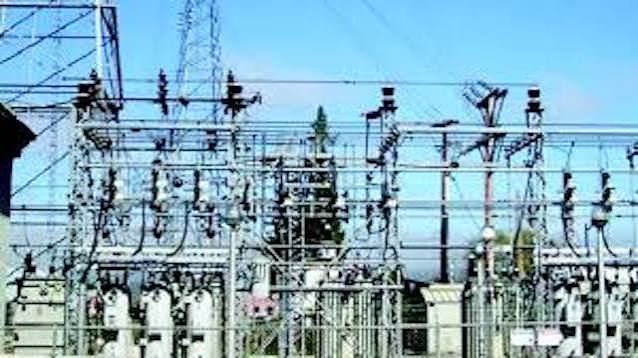
Nigeria’s electricity crisis may persist unless the Federal Government addresses mounting debts in the power sector, inadequate investment in gas production and infrastructure challenges, industry stakeholders have warned.
They said the absence of a sustainable payment mechanism for gas suppliers was affecting electricity generation, while weak transmission infrastructure and poor commercial arrangements continued to undermine efforts to improve power supply.
The stakeholders raised the concerns at the sixth annual conference of the Power Correspondents Association of Nigeria in Abuja, where they examined the financial and structural challenges confronting the country's electricity sector.
The warning comes amid renewed disruptions to electricity supply nationwide. On November 5, the Nigerian Independent System Operator attributed a decline in national grid generation to inadequate gas supply to thermal power stations and reduced water inflows into hydroelectric reservoirs.
However, the Nigerian National Petroleum Company Limited subsequently maintained that its gas transportation network remained available, arguing that gas production, commercial supply arrangements and actual deliveries to power stations should be assessed separately.
Speaking at the conference, the General Manager, Gas Commercial, Nigerian National Petroleum Development Company, Bashiru Adoke, identified the inability of electricity market operators to pay for gas supplied to generating companies as a major obstacle to stable power generation.
He explained that generation companies received insufficient payments for electricity produced, making it difficult for them to settle gas invoices and maintain reliable fuel supplies.
Adoke said the electricity market owed gas suppliers more than ₦630bn for power generated and consumed by Nigerians, warning that the situation required a sustainable payment structure.
He noted that gas accounted for between 60 and 75 per cent of electricity production costs, while payments for energy generated covered only about 40 per cent of invoices.
According to him, periodic government interventions to settle outstanding obligations would not resolve the problem unless a reliable mechanism was established to ensure continuous payment for gas supplies.
He warned that while the government was addressing legacy debts accumulated between 2015 and 2025, fresh liabilities arising from 2025 onwards were continuing to build up without adequate attention.
Adoke also called for increased investment in non-associated gas, explaining that dependence on gas produced alongside crude oil could expose electricity generation to disruptions in oil production.
He acknowledged that the Federal Government had introduced incentives through executive orders to encourage investment in gas projects but stressed the need for additional capital.
The NDPHC official further cautioned that high electricity tariffs could drive more consumers towards solar energy and independent power generation, potentially weakening the national grid.
Meanwhile, the General Manager, Engineering, Transmission Company of Nigeria, Mojeed Akintola, identified inadequate electricity generation as a major constraint to transmission, noting that the company could only transmit the power produced by generating stations.
He said TCN was expanding its transmission capacity through the installation of additional transformers and construction of transmission lines but faced challenges involving right-of-way disputes and vandalism.
The stakeholders stressed that resolving the country's electricity challenges would require coordinated efforts across gas production, supply, power generation and transmission, alongside a sustainable financial framework.
Sponsored

Related stories
 News
2027: INEC Vows to Abide by Court Decision on Atiku’s Presidential Bid
INEC Chairman Joash Amupitan says the commission will comply with court rulings determining Atiku Abubakar’s eligibility for the 2027 presidential election.
 News
‘Come Out and Talk to Us’: Demonstrators Challenge Amupitan in London
Nigerian demonstrators confronted INEC Chairman Joash Amupitan outside Chatham House, demanding answers over alleged irregularities in the voter register.
 News
Insecurity: Atiku Accuses Tinubu of Failing to Protect Nigerians
Atiku faults Tinubu over worsening insecurity, citing reported killings and displacement of thousands of Nigerians fleeing violence.
 News
US Lawmakers Probe Nvidia Founder Over Alleged China Spy Links
US lawmakers seek answers from Nvidia CEO Jensen Huang over reports linking a Chinese businesswoman to suspected intelligence activities.
Comments (0)
Leave a comment
All comments are moderated before publishing. Your email is never published.