
Bridging the Digital Divide: NCC Empowers Over 100 Persons with Disabilities with Advanced Digital Skills in Lagos
The NCC has trained over 100 Persons with Disabilities in Lagos on digital citizenship, cybersecurity, and assistive tech, championing inclusive participation in Nigeria’s digital economy

In a significant stride toward bridging the digital divide, the Nigerian Communications Commission (NCC) has successfully trained over 100 Persons with Disabilities (PWDs) in Lagos State. The intensive two-day Digital Citizenship Training, held on September 9 and 10, 2026, equipped participants with critical skills in digital foundations, cybersecurity, data protection, and the effective use of assistive technologies.
Organized under the theme, “Empowering Persons with Disabilities Through Digital Citizenship for an Inclusive Digital Economy,” the programme was meticulously designed to ensure that physical or cognitive disabilities do not serve as barriers to participation in Nigeria’s rapidly expanding digital ecosystem.
For many attendees, the initiative represented a profound paradigm shift. Beyond merely learning how to operate smartphones or computers, participants gained a deeper, more practical understanding of their digital safety, personal independence, and rightful place in an increasingly connected society. The comprehensive curriculum covered essential topics such as identifying sophisticated online scams, safeguarding sensitive personal data, and leveraging built-in accessibility features,like speech-to-text tools—to enhance daily mobile device usage and foster self-reliance.
Furthermore, the training proactively addressed the complex social realities faced by Persons with Disabilities. Facilitators engaged participants in constructive discussions about overcoming societal discrimination, emphasizing that negative attitudes often stem from ignorance and should never define an individual’s confidence, capabilities, or potential for meaningful societal contribution.
Speaking on the Commission’s overarching vision, the Executive Vice Chairman and Chief Executive Officer (EVC/CEO) of the NCC, Dr. Aminu Maida, emphasized that true digital inclusion requires much more than mere internet connectivity. Represented at the event by Helen Obi, Director of the Digital Economy Department, Dr. Maida articulated a comprehensive, rights-based view of digital empowerment.
“Digital citizenship goes beyond operating a smartphone or computer; it encompasses the knowledge, skills, and responsible behaviours required to participate safely and meaningfully online,” Dr. Maida stated. “It is about protecting personal information, recognizing scams and misinformation, safeguarding one’s digital identity, and understanding digital rights and responsibilities.”
The NCC leadership highlighted that technology holds transformative potential for Persons with Disabilities. By removing traditional physical and systemic barriers to education and employment, digital tools can actively support entrepreneurship, facilitate remote work, improve access to critical public services, and promote greater personal independence through specialized assistive technologies.
The ultimate objective of the Commission, according to Dr. Maida, is to foster a Nigeria where disability does not dictate an individual’s ability to obtain an education, access government services, secure meaningful employment, or start a business.
“You are not merely beneficiaries; you are important participants and contributors to Nigeria’s digital economy,” Dr. Maida affirmed, addressing the participants directly. “Your talents, ideas, businesses, and aspirations have immense value, and technology can help take them further.”
The Lagos training is not an isolated event but rather a crucial component of a broader, nationwide initiative by the NCC. The Commission has firmly committed to rolling out similar digital skills training programmes for Persons with Disabilities across all six geopolitical zones of the country. This decentralized approach ensures that the benefits of digital literacy reach marginalized communities at the grassroots level, aligning seamlessly with the Federal Government’s broader agenda for inclusive economic growth.
By prioritizing digital citizenship, the NCC is laying the groundwork for a more equitable and resilient society. As Nigeria continues its transition toward a knowledge-based economy, empowering vulnerable demographics with the tools to navigate the digital world safely and effectively is no longer just a moral imperative—it is an economic necessity. The success of the Lagos cohort serves as a powerful testament to what can be achieved when regulatory foresight meets a genuine, actionable commitment to inclusive development.
Sponsored
Related stories
 Youth Empowerment
TAFTA Trains 150 Female Creators to Build Sustainable Careers
, tools, and industry connections through its maiden Creator HQ programme, a three-day immersive training focused on content creation, intellectual property protection, and monetisation. Supported by the Mastercard Foundation, the initiative is designed to help women turn their creative talents into sustainable businesses and long-term careers.
 Youth Empowerment
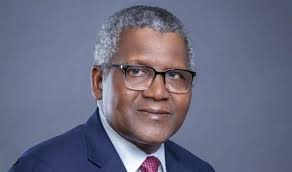
Dangote Foundation Gives Students Free Shares
The Aliko Dangote Foundation has launched a Student Share Grant Initiative that will fund an additional 10 shares in the Dangote Petroleum Refinery IPO for eligible tertiary students who subscribe for a minimum of 10 shares in their own names. Chairman Aliko Dangote says the programme is about developing a mindset — equipping young Nigerians with the knowledge and opportunity to understand how economic value is created and how they can participate in it.
 Youth Empowerment
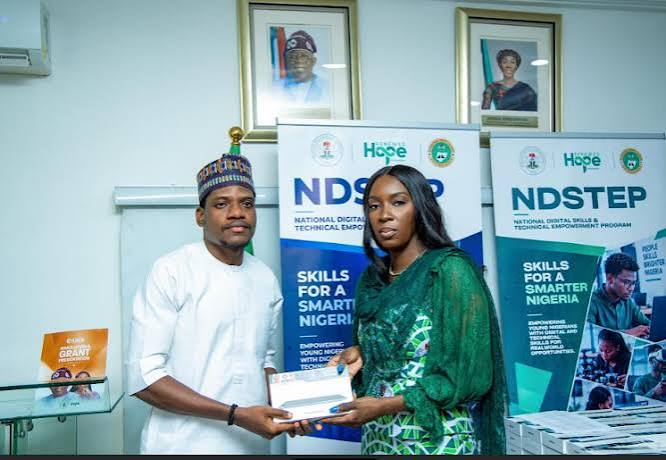
FG Empowers 70 Media Managers With Tablets
The Office of the Senior Special Assistant to the President on TVEE has given tablets to 70 digital media personnel to strengthen awareness of government vocational and entrepreneurship programmes ahead of the NPRGS Oyo State rollout.
 Youth Empowerment
MSS Academy Graduates 56 Youths in Event Technology
The Mobile Screen and Sound (MSS) Limited Technical Academy has graduated 56 students from its 10-week training programme in sound engineering, lighting design, and stage production, as part of efforts to equip young Nigerians with employable skills and reduce youth idleness. The academy has also promised automatic employment for the best five graduating students, underscoring its commitment to bridging the gap between training and industry placement.
Comments (0)
Leave a comment
All comments are moderated before publishing. Your email is never published.