
Aburi Accord: Ojukwu Frustrated All Peace Moves — Gowon
Aburi Accord: Ojukwu Frustrated All Peace Moves — Gowon
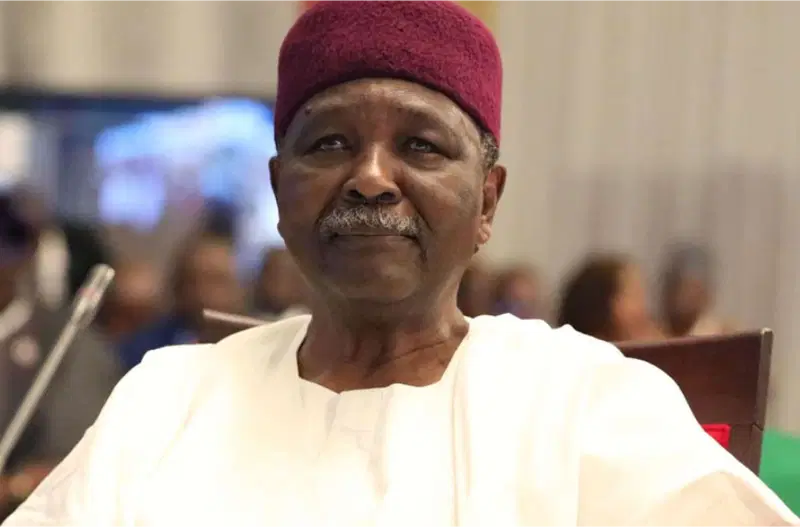
Former Head of State Yakubu Gowon has reopened one of the most sensitive chapters in Nigeria’s history, accusing late Biafran leader Chukwuemeka Odumegwu Ojukwu of frustrating repeated efforts to prevent the Nigerian Civil War.
Gowon made the claims in his autobiography, My Life of Service and Allegiance, where he reflected on the political crisis, failed peace negotiations, and growing mistrust that eventually pushed Nigeria into the 1967–1970 Civil War.
According to Gowon, several attempts were made by the federal military government to peacefully resolve the crisis that followed the January and July 1966 coups and the killings of Igbos in parts of Northern Nigeria.
He stated that the federal government attended the January 1967 peace meeting in Aburi, Ghana, with genuine intentions to preserve Nigeria’s unity through dialogue and reconciliation.
The meeting, brokered by former Ghanaian leader Joseph Arthur Ankrah, brought together Nigeria’s top military officers at a time ethnic tensions and political instability had already pushed the country close to collapse.
However, Gowon claimed the talks later broke down because both sides returned from Ghana with conflicting interpretations of the agreement reached during the discussions.
According to him, Ojukwu’s interpretation of the Aburi Accord would have drastically weakened the authority of the Federal Government and left Nigeria too fragile to survive as one nation.
“What was presented by Ojukwu as the Aburi Accord was, in reality, his own interpretation of our discussions,” Gowon wrote.
The former military ruler insisted that despite growing tension, the federal government continued making efforts to avoid war and preserve national unity.
“At every stage, we tried to preserve Nigeria without resorting to war,” he stated.
Gowon also defended the creation of 12 states shortly before Biafra’s declaration in 1967, saying the decision was aimed at protecting minority ethnic groups who feared domination within the regions.
He rejected claims that the federal government sought war, insisting that military confrontation became unavoidable only after Biafra declared secession on May 30, 1967.
“Ojukwu’s declaration of Biafra left the federal government with no choice,” he wrote.
Reflecting on the end of the war in 1970, Gowon defended the “No Victor, No Vanquished” policy, stressing that the conflict was fought to preserve Nigeria’s unity rather than punish any ethnic group.
“We fought to keep Nigeria one, not to destroy a people,” he stated.
Sponsored

Related stories
 News
News
FG Seeks World Bank Guarantees for Infrastructure Financing
Nigeria’s Oyedele and Cardoso seek World Bank guarantees to attract private capital for infrastructure projects.
 News
News
Power: FG to Clear GenCos’ Legacy Debts in 2027 — Tegbe
Power Minister Joseph Tegbe says the Federal Government aims to settle outstanding legacy debts owed to electricity generation companies by 2027.
 News
News
IPO: Dangote Petroleum Refinery Extends Offer Period by Two Weeks
Dangote Refinery extends its share offer to October 27, giving investors more time to participate in the landmark IPO.
 News
News
Houthi Official Warns of ‘Swift, Painful Response’ if US Enters Yemen War
Houthi official Mohammed Al Bukhaiti threatens US interests if Washington joins Saudi Arabia’s military campaign against the group.
Comments (0)
Leave a comment
All comments are moderated before publishing. Your email is never published.