
Why I Want to Restore Fuel Subsidy — Atiku
Former Vice-President Atiku Abubakar has defended his plan to restore petrol subsidy if elected president in 2027, arguing that Nigerians are bearing the brunt of high fuel prices and that government intervention is needed to reduce the cost of living. He said his proposed subsidy would be targeted, capped, time-bound and independently audited, with support tied to domestic crude production and refining.
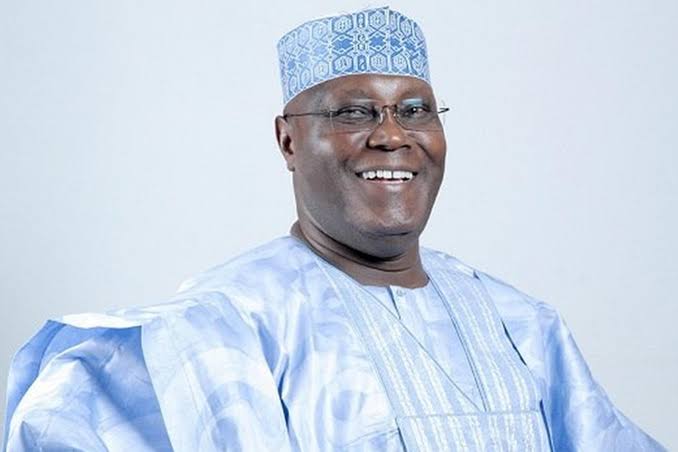
Former Vice-President Atiku Abubakar has explained his decision to restore petrol subsidy if elected president in 2027, saying the policy is necessary to reduce the economic burden on Nigerians.
Atiku, the presidential candidate of the African Democratic Congress, said the current cost of petrol had placed enormous pressure on households and businesses, contributing to higher transportation costs and worsening the cost of living.
He argued that the economic conditions facing Nigerians had changed significantly since President Bola Tinubu removed the petrol subsidy in May 2023, making it necessary to reconsider the policy.
Atiku said his proposed intervention would not simply return Nigeria to the previous subsidy regime.
Instead, he proposed a targeted, capped and budgeted subsidy that would be subject to independent auditing and clear accountability measures.
He also proposed that qualifying Nigerian refineries receive crude oil from the country at a preferential price, provided they meet strict production, efficiency and transparency requirements and supply the resulting petroleum products to the Nigerian market.
According to him, the arrangement would reduce production costs and ultimately help lower petrol prices for consumers.
Atiku maintained that any subsidy provided to refineries must correspond with independently verified quantities of petroleum products supplied to the domestic market.
He argued that the cost of such intervention should be transparently accounted for rather than allowing Nigerians to bear the full impact of international oil-price movements.
The former vice-president's position has generated significant debate ahead of the 2027 presidential election.
The Federal Government and the All Progressives Congress have opposed the proposal, warning that restoring subsidy could reopen the fiscal pressures, market distortions and corruption associated with the former regime.
President Tinubu has also criticised the proposal, describing it as a display of ignorance about governance and economics.
Atiku, however, has maintained that the welfare of Nigerians should remain central to economic policy.
He recently reaffirmed his position after his spokesman, Paul Ibe, suggested that a restored subsidy could eventually be phased out once the economy recovered.
Atiku said the spokesman had not accurately represented his position, insisting that he would restore the subsidy if elected.
The debate has become a major issue in the 2027 political campaign, with supporters arguing that subsidy removal has worsened hardship, while opponents insist that returning to the policy would undermine the fiscal gains achieved since 2023.
The Federal Government has said subsidy removal released significant resources to the three tiers of government and created fiscal space for infrastructure, social investment and other programmes.
Atiku, however, argues that the priority should be to design an intervention that reduces the immediate burden on Nigerians while supporting domestic refining and production.
Sponsored

Related stories
 News
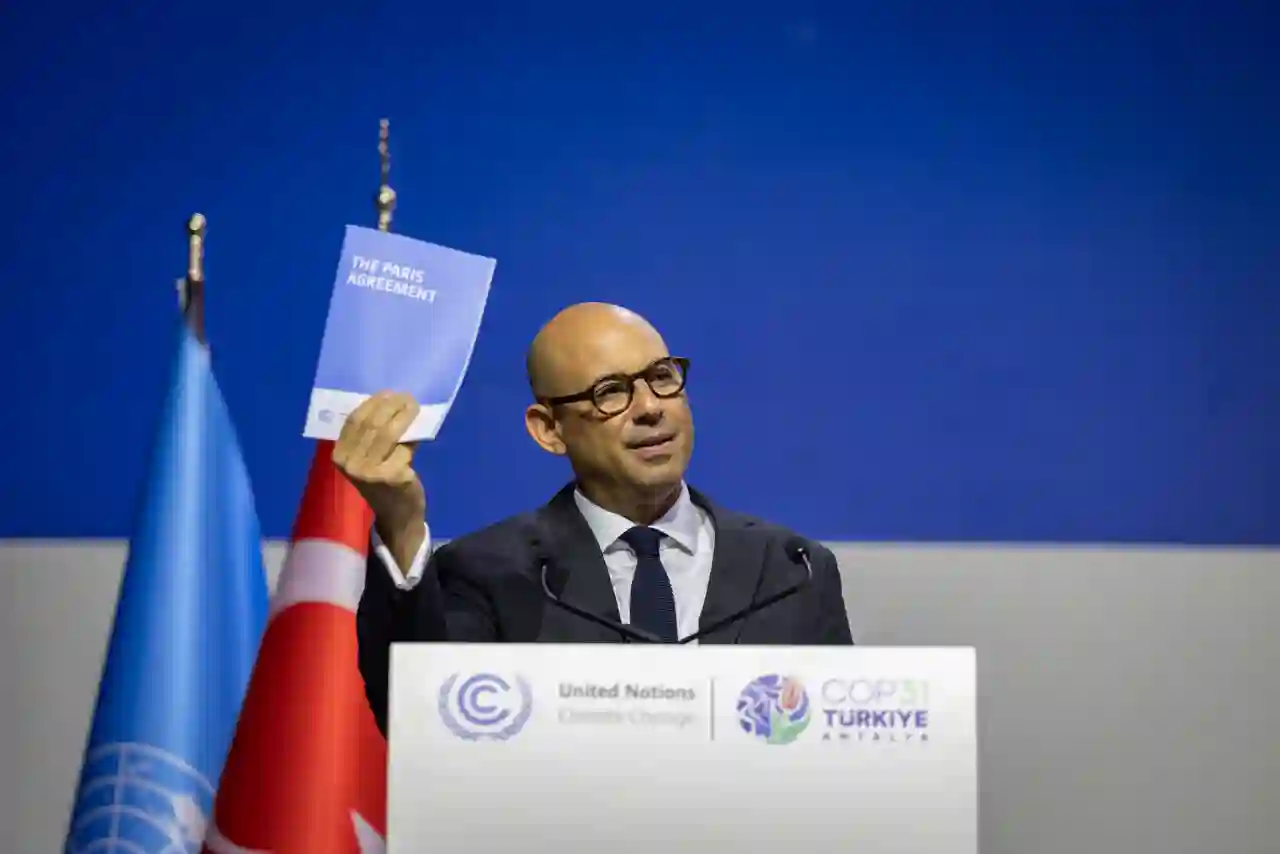
Global Warming Indicators Hit Record Levels as COP31 Calls for Urgent Action
The World Meteorological Organization says rising global temperatures, ocean heat and greenhouse gases underscore the urgent need for stronger climate action.
 News
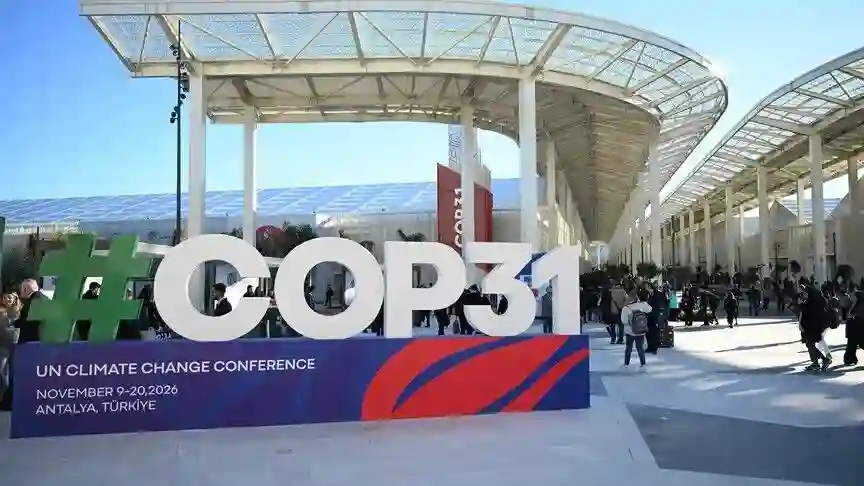
Vulnerable Island Nations Demand More Climate Finance at COP31
Small island nations at COP31 have called for stronger climate financing, warning that storms, floods and rising seas threaten livelihoods and development.
 News
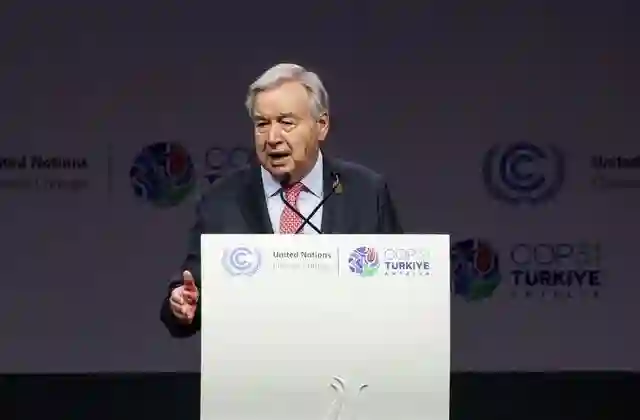
War, Conflicts Must Not Distract World From Climate Action — Leaders Warn at COP31
Brazil and Türkiye have urged world leaders to maintain climate commitments despite wars, trade disputes and competing global political and economic crises.
 News
COP31: Energy Transition Takes Centre Stage as Countries Map Path Beyond Fossil Fuels
Countries at COP31 are pushing for faster electrification, renewable energy investment and practical roadmaps to reduce dependence on fossil fuels.
Comments (0)
Leave a comment
All comments are moderated before publishing. Your email is never published.