
Why Africa Is Without Vaccine for Latest Ebola Strain — Africa CDC
Africa CDC says limited research funding, low commercial incentives and gaps in preparedness have delayed vaccine development for the Bundibugyo Ebola strain.
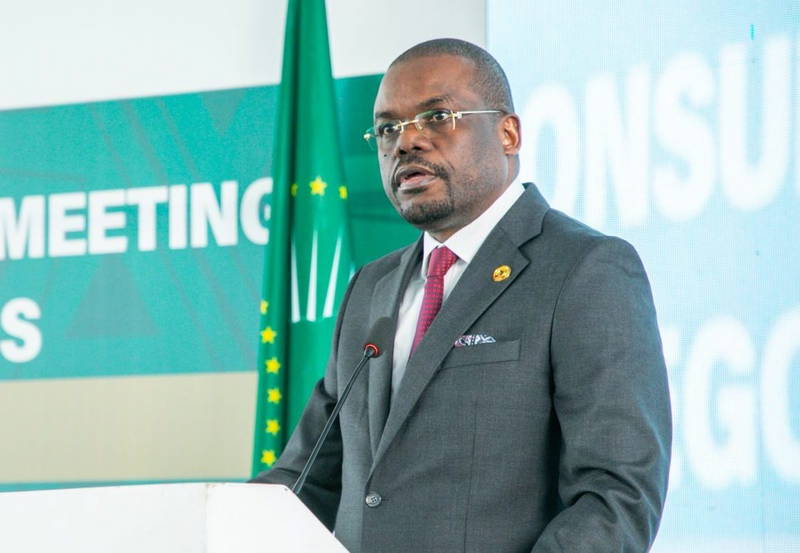
Africa’s lack of a licensed vaccine specifically targeting the Bundibugyo strain of Ebola reflects long-standing gaps in global health research, limited commercial incentives and insufficient investment in diseases that occur less frequently, according to public health experts.
The Bundibugyo virus is responsible for the 2026 Ebola outbreak affecting the Democratic Republic of the Congo (DRC) and Uganda. Unlike the Zaire strain, for which licensed vaccines are available, Bundibugyo has no approved vaccine or specific treatment.
Africa Centres for Disease Control and Prevention (Africa CDC) has described the situation as a major gap in epidemic preparedness, warning that the absence of medical countermeasures makes controlling outbreaks more challenging.
The vaccine development gap is partly linked to the history of Ebola research. The Zaire strain has caused several major outbreaks, including the devastating 2014–2016 West African epidemic, attracting substantial research funding and commercial interest.
Bundibugyo, by contrast, has caused fewer recorded outbreaks. Experts say the relatively infrequent appearance of the strain has contributed to lower investment and slower progress in developing vaccines and treatments.
There is also a scientific challenge. Vaccines developed against the Zaire strain target viral components that differ from those found in Bundibugyo, meaning existing vaccines cannot automatically be assumed to provide protection.
The World Health Organisation (WHO) says there is insufficient evidence to establish whether Ervebo, the licensed vaccine against the Zaire strain, protects humans against Bundibugyo.
However, efforts to address the gap are underway. In August, WHO and Africa CDC announced the allocation of 70,000 doses of Ervebo to the DRC, including 20,000 doses for a clinical trial and 50,000 doses for frontline and health workers under existing recommendations.
The trial is expected to help determine whether the vaccine offers protection against Bundibugyo. Its use in this context remains subject to scientific and public health guidance.
Meanwhile, authorities are relying on early detection, isolation of suspected cases, contact tracing, infection prevention, safe burial practices and community engagement to limit transmission.
Africa CDC has also called for increased funding to support clinical trials and accelerate the development of vaccines and treatments tailored to the strain.
The outbreak has renewed calls for sustained investment in research targeting diseases that may not attract substantial commercial attention until emergencies emerge.
Health experts say developing vaccines before outbreaks occur is essential to improving preparedness and reducing the human cost of future epidemics.
Sponsored

Related stories
 News
Global Warming Indicators Hit Record Levels as COP31 Calls for Urgent Action
The World Meteorological Organization says rising global temperatures, ocean heat and greenhouse gases underscore the urgent need for stronger climate action.
 News
Vulnerable Island Nations Demand More Climate Finance at COP31
Small island nations at COP31 have called for stronger climate financing, warning that storms, floods and rising seas threaten livelihoods and development.
 News
War, Conflicts Must Not Distract World From Climate Action — Leaders Warn at COP31
Brazil and Türkiye have urged world leaders to maintain climate commitments despite wars, trade disputes and competing global political and economic crises.
 News
COP31: Energy Transition Takes Centre Stage as Countries Map Path Beyond Fossil Fuels
Countries at COP31 are pushing for faster electrification, renewable energy investment and practical roadmaps to reduce dependence on fossil fuels.
Comments (0)
Leave a comment
All comments are moderated before publishing. Your email is never published.