
WHO Urges Sustained Investment to Fight Future Pandemic Threats
WHO urges sustained investment in preparedness, surveillance and health systems to confront future pandemic threats.
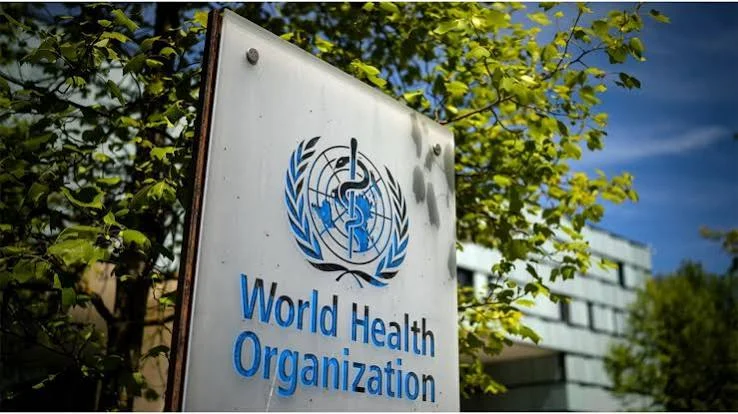
The World Health Organisation has called for sustained investment in pandemic preparedness, warning that countries must strengthen their health systems before the next major outbreak occurs.
The global health body said lessons from COVID-19 should not be lost as countries face continuing threats from infectious diseases, climate change, antimicrobial resistance and other emerging health risks.
WHO stressed that preparedness requires long-term investment rather than emergency funding that is mobilised only after an outbreak has already begun.
The organisation said countries need stronger disease surveillance systems capable of detecting unusual outbreaks quickly and sharing information across borders.
It also highlighted the importance of laboratories, healthcare infrastructure, trained health workers, medical supply chains and effective emergency response systems.
According to WHO, international cooperation remains essential because infectious diseases do not respect national borders. Rapid sharing of information, scientific knowledge and resources can help countries respond more effectively when new threats emerge.
The organisation has also urged governments to strengthen primary healthcare and community-based systems, which can play a critical role in identifying and responding to outbreaks at an early stage.
WHO said investment in preparedness should also include research and development, particularly for vaccines, diagnostics and treatments that can be rapidly deployed during health emergencies.
The warning comes as countries continue to deal with infectious disease outbreaks and other public health emergencies around the world.
WHO has repeatedly stressed that preparedness should be treated as an ongoing national and international responsibility rather than a temporary response to a specific crisis.
The organisation also emphasised the need for stronger financing mechanisms that can help lower-income countries improve their capacity to prevent, detect and respond to health emergencies.
It said equitable access to vaccines, medicines, diagnostics and other essential health technologies would be critical during future pandemics.
WHO further called for stronger coordination between governments, international organisations, scientists, healthcare workers and communities.
The organisation said maintaining public trust would also be essential, particularly when governments need to introduce public health measures or communicate rapidly changing scientific information during an outbreak.
The global health body warned that the cost of preparedness is significantly lower than the human and economic consequences of an uncontrolled pandemic.
It therefore urged countries to maintain political commitment and financial support for health security, even when there is no immediate global health emergency.
WHO said sustained preparedness would give countries a better chance of detecting future threats early and limiting their impact on populations and economies.
Sponsored

Related stories
 News
News
Tinubu Seeks Senate Nod to Replace ASCON With National School of Government
President Bola Tinubu has asked the Senate to approve a bill seeking to repeal the law establishing the Administrative Staff College of Nigeria and replace it with a National School of Government focused on leadership development and public-sector capacity building.
 News
News
Adeleke Dances With Tinubu at APC Campaign Council Inauguration
Osun State Governor Ademola Adeleke joined President Bola Tinubu at the inauguration of the APC’s 2027 Presidential Campaign Council in Abuja, drawing attention to their political collaboration ahead of the general election.
 News
News
Tinubu Seeks Repeal of Indian Hemp Act in Drug Law Overhaul
President Bola Tinubu has asked the Senate to repeal the Indian Hemp Act as part of a proposed overhaul of Nigeria’s drug enforcement laws, aimed at consolidating the legal framework for combating illicit drugs.
 News
News
Tinubu Seeks Senate Approval to Replace ASCON with National School of Government
President Bola Tinubu has asked the Senate to repeal the law establishing the Administrative Staff College of Nigeria and create a National School of Government to strengthen leadership development and public sector capacity.
Comments (0)
Leave a comment
All comments are moderated before publishing. Your email is never published.