
US Intercepts Iranian Drones and Missiles as Shaky Ceasefire Frays on 100th Day of Conflict
A fragile Middle East truce has been pushed to the brink on its 100th day after the US military shot down Iranian drones in the Strait of Hormuz, triggering a retaliatory seven-missile barrage from Tehran targeting Kuwait and Bahrain.
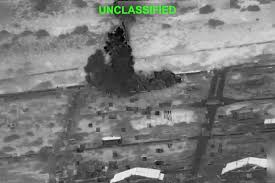
The United States military has intercepted a pair of Iranian attack drones threatening international maritime traffic in the Strait of Hormuz, marking a sharp escalation of violence as the regional conflict hits its one-hundredth day with no diplomatic resolution in sight. According to statements released by United States Central Command, the downing of the two unmanned aircraft followed an earlier American tactical operation that successfully destroyed four other drones and dismantled several coastal surveillance radar installations. The ongoing naval blockade enforced by the US against Iranian ports, aimed at preventing Tehran from restricting vital global energy shipments, has significantly driven up international oil prices and generated substantial domestic political friction for President Donald Trump ahead of the upcoming congressional midterm elections.
The American defensive strikes quickly triggered a fierce military reaction from Tehran, which deployed a salvo of seven ballistic missiles aimed directly at key US allies in the region. While coalition air defense networks successfully tracked and shot down six of the incoming projectiles, a seventh missile failed in mid-flight and crashed before reaching its geographic target. The ballistic assault sparked immediate alarm across the Gulf monarchies, with air raid sirens echoing throughout the Bahraini capital of Manama as journalists reported hearing three powerful explosions. Simultaneously, repeated blasts were heard near Kuwait’s international airport, a site already reeling from a strike earlier in the week that claimed one civilian life.
The Iranian Revolutionary Guards swiftly claimed responsibility for the retaliatory barrage, asserting they had successfully targeted enemy military bases in the area. The dynamic has pushed a fragile ceasefire initially brokered on 8 April to the absolute brink, prompting severe diplomatic pushback from regional leaders. Officials in Bahrain, which hosts the headquarters of the US Navy's Fifth Fleet, formally denounced the missile strikes as blatant aggression, while the Kuwaiti government warned that the attacks represent a dangerous escalation. Meanwhile, Iran's foreign ministry has strongly condemned Washington's hostile and provocative behaviour, labeling the localized US drone interceptions and radar bombardments as flagrant violations of its sovereignty.
Sponsored

Related stories
 News
‘You’re Ruining People’s Reputation’ — Reuben Abati Tells Police Over Declaration of Arise TV Owner Wanted
Arise News anchor Reuben Abati has questioned the police investigation, warning that declaring individuals wanted without diligence could damage their reputations.
 News
I Won’t Return to Edo Unless You Fix Your Roads, Pastor Benny Hinn Tells Okpebholo
International evangelist Benny Hinn has urged Edo Governor Monday Okpebholo to repair deteriorating roads, describing his recent journey as uncomfortable.
 News
Olubadan Advisory Council Removes 11 Mogajis in Ibadan
The Olubadan Advisory Council has revoked 11 Mogaji appointments over alleged irregularities, suspected improper installations and discrepancies in Ibadan’s traditional chieftaincy system.
 News
Police Declare Nestoil Chairman, Sahara Group’s ED, Seven Others Wanted
Police declared nine executives wanted over an alleged threat to FirstBank chief Olusegun Alebiosu after a suspicious parcel was delivered.
Comments (0)
Leave a comment
All comments are moderated before publishing. Your email is never published.