
UNGA: Nigeria Seeks Shift From Humanitarian Aid, Receives $7.83bn in 13 Years
Nigeria seeks sustainable poverty reduction as humanitarian funding declines, with $7.83bn recorded over 13 years.
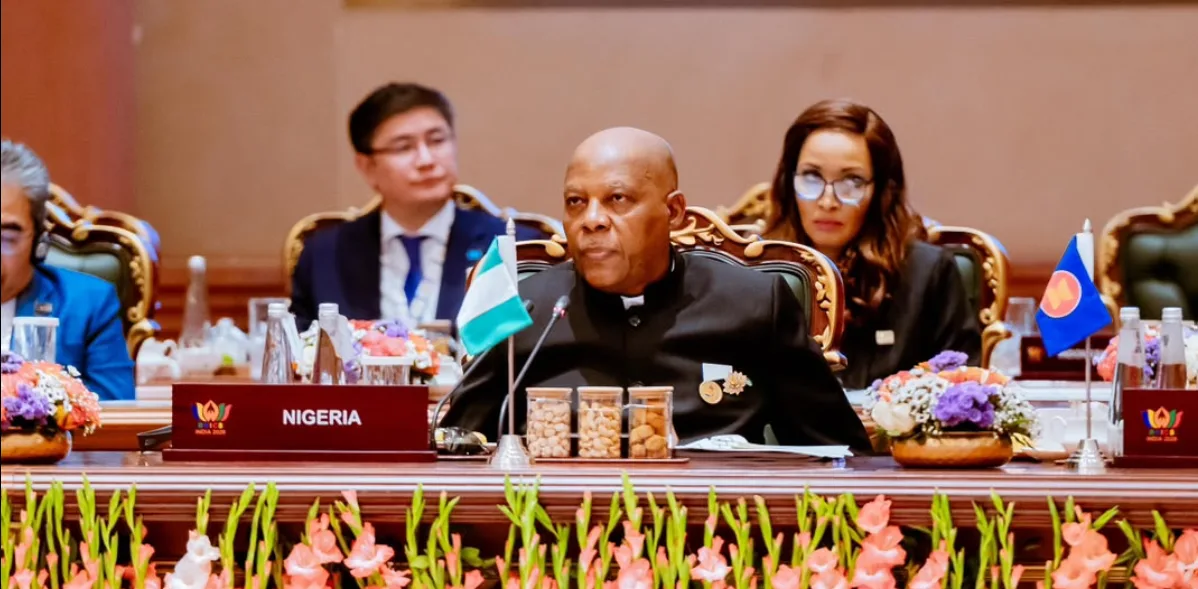
Nigeria is seeking a shift from recurring humanitarian assistance towards stronger national systems for poverty reduction, social protection and resilience as international aid funding declines.
The move comes as Nigeria prepares to present its emerging humanitarian and poverty reduction agenda at the 81st United Nations General Assembly in New York.
The country recorded about $7.83 billion in humanitarian funding over 13 years, according to an analysis of United Nations humanitarian financing data and Nigeria’s humanitarian response plans.
The funding, however, represents humanitarian financing reported through the UN Office for the Coordination of Humanitarian Affairs’ Financial Tracking Service and was not money paid directly into the Federal Government’s coffers.
The analysis showed that Nigeria’s humanitarian response plans identified about $10.51 billion in requirements over the period, leaving a difference of about $2.68 billion between identified needs and recorded funding.
Humanitarian financing rose from $70.6 million in 2014 to a peak of $979.3 million in 2017 before declining in subsequent years.
Funding fell to $642.1 million in 2023, $619 million in 2024 and $324.3 million in 2025, reflecting the wider squeeze on global humanitarian financing.
The Federal Government is now advocating a model that links humanitarian response with social protection, economic recovery and long-term poverty reduction.
Minister of Humanitarian Affairs and Poverty Reduction, Bernard Doro, said the objective was to move beyond interventions that merely help vulnerable households survive immediate shocks towards systems that enable them to recover, build resilience and become progressively self-reliant.
The government has introduced the One Humanitarian One Poverty Response System to improve coordination between humanitarian response, social protection, poverty reduction and economic inclusion.
It has also launched the $1 billion Household Prosperity and Economic Social Protection Project, designed to strengthen support for vulnerable households and create pathways from temporary assistance to sustainable economic opportunities.
Nigeria’s transition is taking place amid persistent humanitarian needs, including food insecurity, conflict, displacement and poverty.
The United Nations has said millions of Nigerians remain at risk of hunger, while conflict in the North-East continues to generate significant humanitarian needs.
The government and UN began a humanitarian transition process in July aimed at transferring greater responsibility for planning, coordination and financing to Nigerian institutions while retaining UN technical support.
Nigeria is expected to use the UNGA platform to advocate a nationally led humanitarian system that places greater emphasis on prevention, recovery, resilience and economic inclusion.
The shift also comes as international donors face increasing pressure to reduce humanitarian spending, making stronger domestic financing and coordination increasingly important to Nigeria’s response to crises.
Sponsored

Related stories
 News
News
Police Secure Conviction of 19 for Terrorism, Others in Kebbi
Kebbi Police say 19 people were convicted for terrorism, illegal firearms possession and vandalism after 17 months of investigation.
 News
News
Lagos to Demolish GNI Building 10 Months After Fire
Lagos began controlled demolition of the fire-ravaged GNI building after structural checks found the 25-storey structure unsafe.
 News
News
Air Peace Cries Out as Fraudster Impersonates Staff to Dupe Passengers
Air Peace Cries Out as Fraudster Impersonates Staff to Dupe Passengers
 News
News
Dangote to Prioritise Investors with N50,000 or Below in Refinery IPO
Aliko Dangote says small investors subscribing with ₦50,000 or less will receive priority as the refinery seeks wider public ownership.
Comments (0)
Leave a comment
All comments are moderated before publishing. Your email is never published.