
UNGA: Nigeria Reaffirms 2060 Net-Zero Target, Energy Transition Plan
Nigeria reaffirms its 2060 net-zero target, combining renewable energy, gas, clean cooking and climate-smart agriculture.
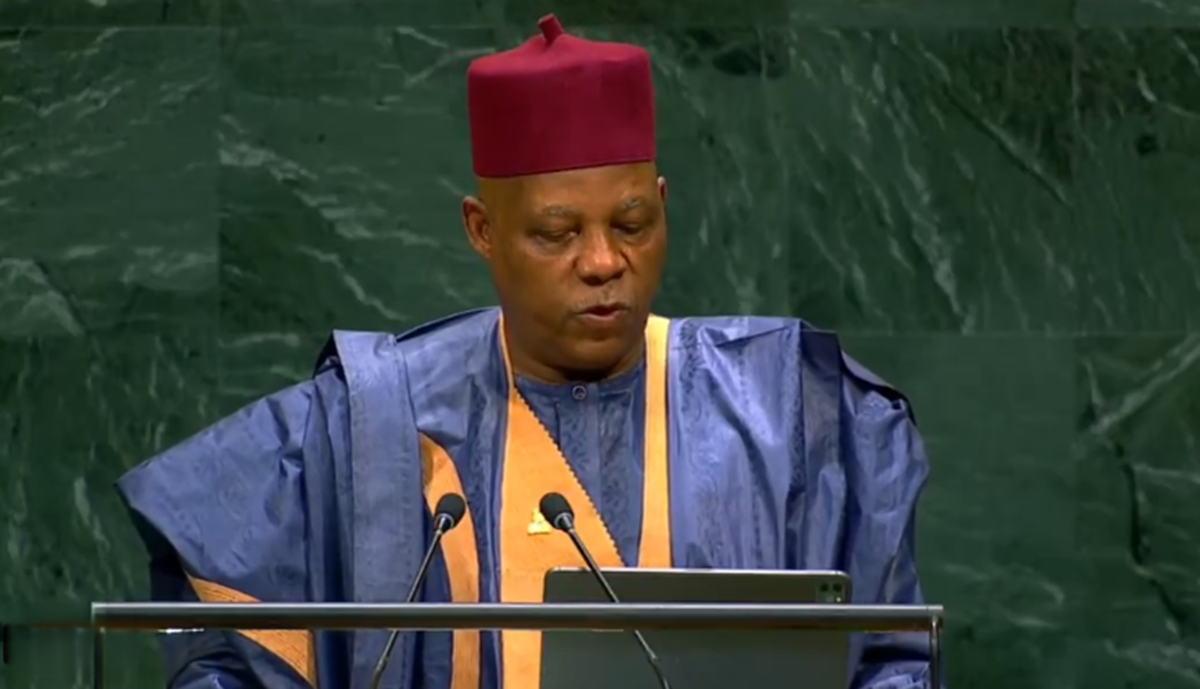
Nigeria has reaffirmed its commitment to achieving net-zero emissions by 2060, highlighting its Energy Transition Plan as a framework for expanding energy access while reducing emissions.
President Bola Tinubu restated the commitment in Nigeria’s national statement at the 81st United Nations General Assembly in New York, delivered on his behalf by Vice President Kashim Shettima.
The President said Nigeria’s energy transition would combine renewable energy development with measures designed to address the country’s significant energy access gap.
The Energy Transition Plan provides a pathway for Nigeria to achieve net-zero emissions by 2060 while supporting economic growth, industrialisation and improved access to affordable and reliable energy.
As part of the strategy, Nigeria is pursuing greater investment in renewable energy, particularly solar and other clean energy sources, while promoting clean cooking solutions to reduce reliance on traditional fuels.
The plan also recognises natural gas as a transition fuel, reflecting Nigeria’s position that the resource can support energy security and industrial development as the country gradually increases the share of cleaner energy sources in its energy mix.
Beyond the power sector, Nigeria is incorporating climate-smart agriculture into its transition strategy. Such approaches are intended to improve agricultural productivity and resilience while reducing the sector’s vulnerability to changing climate conditions.
Nature-based solutions also form part of the country’s approach, including efforts to protect ecosystems and strengthen the role of natural systems in addressing climate change.
Tinubu said Nigeria’s climate strategy must take into account the country’s development needs, particularly the need to expand electricity access, create jobs and support industrialisation.
He also called for stronger international cooperation, including access to climate finance, technology and capacity building to help developing countries implement their climate commitments.
Nigeria has maintained that developing countries should be able to pursue economic development while taking meaningful action to reduce emissions.
The government’s position therefore links the 2060 net-zero target with broader priorities around energy security, economic growth, poverty reduction and sustainable development.
At the UNGA, Nigeria reiterated that achieving its climate ambitions would require sustained domestic action as well as international partnerships capable of supporting developing countries through the energy transition.
Sponsored

Related stories
 News
News
EU Backs FG’s Broadband Expansion with €14m Grant
The European Union and EBRD are supporting Nigeria’s planned 90,000-kilometre fibre-optic network to expand affordable broadband access nationwide.
 News
News
Tinubu Seeks Senate Nod to Replace ASCON With National School of Government
President Bola Tinubu has asked the Senate to approve a bill seeking to repeal the law establishing the Administrative Staff College of Nigeria and replace it with a National School of Government focused on leadership development and public-sector capacity building.
 News
News
Adeleke Dances With Tinubu at APC Campaign Council Inauguration
Osun State Governor Ademola Adeleke joined President Bola Tinubu at the inauguration of the APC’s 2027 Presidential Campaign Council in Abuja, drawing attention to their political collaboration ahead of the general election.
 News
News
Tinubu Seeks Repeal of Indian Hemp Act in Drug Law Overhaul
President Bola Tinubu has asked the Senate to repeal the Indian Hemp Act as part of a proposed overhaul of Nigeria’s drug enforcement laws, aimed at consolidating the legal framework for combating illicit drugs.
Comments (0)
Leave a comment
All comments are moderated before publishing. Your email is never published.