
Unemployment, Stigma Could Push Ex-Offenders Back into Crime, NCoS Warns
The Nigerian Correctional Service has urged employers, governments and communities to support the reintegration of former inmates, warning that unemployment and discrimination could increase reoffending.
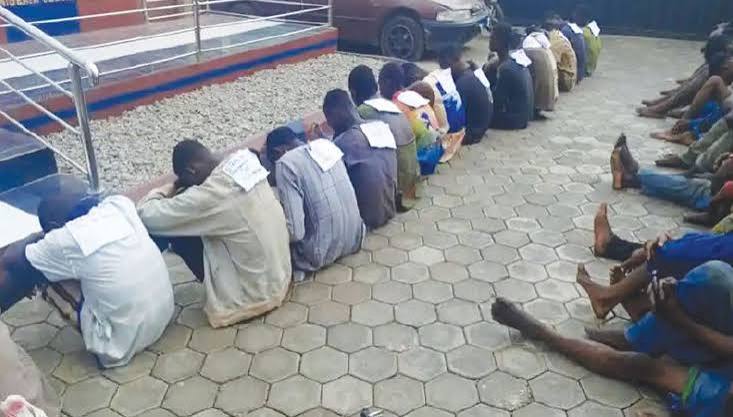
The Nigerian Correctional Service (NCoS) has called on governments, private organisations, religious institutions and communities to support the reintegration of former inmates, warning that unemployment, economic hardship and social stigma could undermine rehabilitation efforts and push them back into crime.
The Controller-General of Corrections, Sylvester Nwakuche, made the appeal during the presentation of 2026 aftercare vocational starter packs to discharged inmates in Abuja.
He said the service had provided starter packs to nearly 33 former inmates to help them apply vocational skills acquired while in custody, establish businesses and become productive members of society.
According to him, the aftercare programme was designed to bridge the gap between rehabilitation in correctional facilities and successful reintegration into society.
Nwakuche said many discharged inmates encountered rejection, unemployment and economic difficulties after regaining their freedom, adding that inadequate support could increase their risk of reoffending.
He explained that the starter packs covered seven vocational areas, including laundry, barbing, tailoring and fashion design, hairdressing, carpentry, masonry, and welding and metal fabrication.
The trades, he said, were selected to provide beneficiaries with opportunities for self-employment, entrepreneurship and financial independence.
He described the materials as instruments of empowerment and renewed confidence, expressing confidence that former inmates could become entrepreneurs, employers of labour and contributors to national development.
The Controller-General noted that supporting discharged inmates was also an investment in public safety, as successful reintegration would help reduce recidivism and promote safer communities.
He urged beneficiaries to use the materials productively and avoid negative influences, stressing that the programme's success would be measured by the businesses established and livelihoods sustained.
Nwakuche also appealed to employers and other stakeholders to look beyond the past mistakes of former inmates and give them opportunities to rebuild their lives.
He said governments, private organisations, religious institutions, community leaders, families and individuals all had roles to play in removing discrimination and creating an environment where reformed persons could thrive.
Earlier, the Director of Health and Welfare, Abdullahi Aldo, said the aftercare programme was intended to ensure that discharged inmates were not abandoned after leaving correctional facilities.
He explained that the initiative provided starter packs, skills support and mentorship to help beneficiaries reconnect with their families and communities.
Aldo urged the recipients to make good use of the materials, become responsible members of society and demonstrate that rehabilitation and positive change were possible.
The service had previously distributed starter packs to 24 former inmates in November 2025 to support their financial independence after release.
Sponsored

Related stories
 News
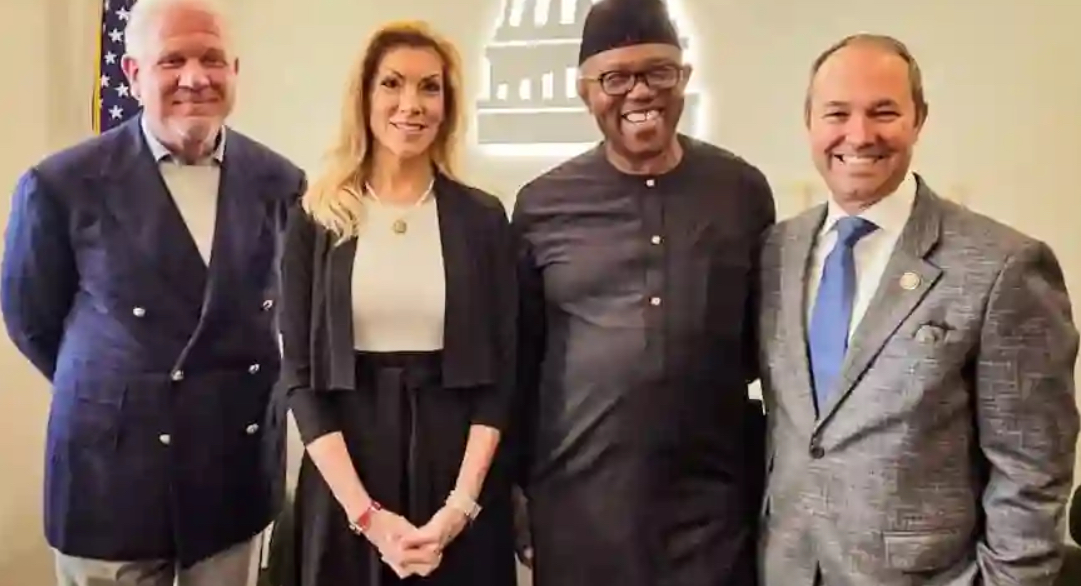
‘My Visit Was About Nigeria’s Development’ — Obi Debunks US Congress Endorsement Claims
Peter Obi says his Washington engagements focused on Nigeria’s development and democracy, insisting he neither sought nor claimed an American endorsement.
 News
NLC, TUC Reconcile, Resolve to Cooperate for Workers’ Welfare
Nigeria’s two major labour centres have ended their public disagreement, pledging renewed unity and cooperation to protect workers’ rights and welfare.
 News
ICPC Opposes PFIPC Adeyemi’s Bail, Says ‘Fraud Victims’ May Attack Him Outside Custody
The ICPC has urged an Abuja court to deny Adeniyi Adeyemi bail, arguing that alleged fraud victims could physically attack him if released.
 News
US Commends Nigeria for Rescuing 125 Kidnap Victims, Dismantling Terrorist Camps
The United States has praised Nigerian troops for rescuing 125 abducted persons, dismantling terrorist camps, recovering weapons and clearing explosives.
Comments (0)
Leave a comment
All comments are moderated before publishing. Your email is never published.