
Traditional Rulers Face Neutrality Test Ahead of 2027 Elections
As politicians intensify visits to traditional palaces ahead of the 2027 general elections, concerns are growing over the ability of Nigeria’s monarchs to remain impartial amid political pressure and competing interests.
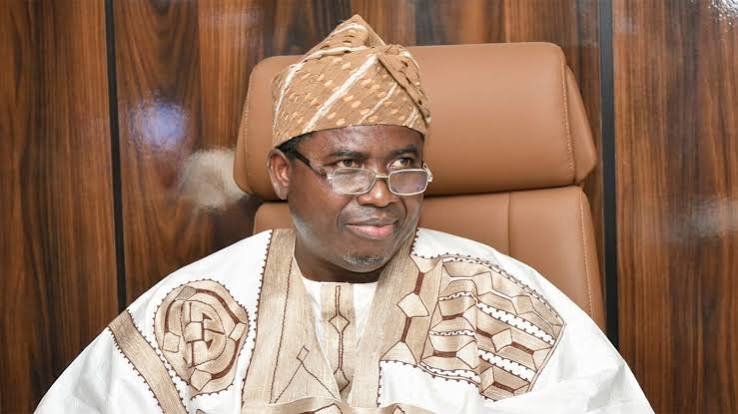
Traditional rulers across Nigeria are facing renewed pressure to maintain political neutrality as politicians increasingly seek royal audiences and community influence ahead of the 2027 general elections.
The issue gained attention following a declaration by the Emir of Gombe, Alhaji Abubakar Shehu Abubakar III, that traditional rulers belong to no political party and must serve their communities regardless of political affiliation, religious beliefs or social background.
The emir made the remarks during a visit by the Chairman of the Independent National Electoral Commission (INEC), Prof. Joash Amupitan, who was in the state as part of the commission’s consultations with traditional institutions ahead of the elections.
He said royal fathers had a responsibility to preserve community unity and ensure that personal interests did not divide the people entrusted to their care.
The position comes as political officeholders and aspirants are expected to increase visits to palaces to seek royal blessings, engage community leaders and demonstrate grassroots acceptance.
Traditional rulers occupy influential positions in many Nigerian communities, where they serve as custodians of cultural heritage, mediators in disputes and links between governments and residents. Their influence, however, can become contentious when political actors interpret palace receptions or refusals as endorsements or signs of opposition.
Some residents have raised concerns about the pressure monarchs face when political interests conflict with their traditional responsibilities.
A Gombe resident, Samaila Dati, recalled an incident in which an emir allegedly failed to receive a governor who was then campaigning for office. He said party loyalists subsequently organised a reception for the candidate at another location.
Dati’s account illustrated how palace access could become entangled in political rivalries, although the circumstances surrounding the incident would require independent verification.
Another resident, a teacher, Danladi Adamu, recalled tensions involving traditional rulers during political disagreements between Gombe Governor Muhammadu Yahaya and his predecessor, Danjuma Goje. He said some monarchs were reportedly affected by the rivalry before the disagreements were resolved.
A civil servant, Mohammed Ahmed, argued that traditional rulers could struggle to remain independent where their selection, recognition or continued tenure depended heavily on political authorities.
He maintained that the relationship between governments and traditional institutions required safeguards to prevent political considerations from influencing customary leadership.
However, traditional succession arrangements differ across Nigeria, with local customs and state chieftaincy laws determining the roles of kingmakers, customary authorities and government institutions.
During his visit, Amupitan acknowledged the importance of traditional rulers in electoral administration, particularly in encouraging voter participation, promoting peaceful elections and countering misinformation.
He said the North-East had approximately 19.96 million registered voters, representing 13.51 per cent of Nigeria’s total registered electorate.
The INEC chairman urged the emir to encourage eligible residents to collect their Permanent Voter Cards and participate in the electoral process. He also appealed to traditional leaders to discourage political violence and help communities verify information before sharing potentially misleading reports.
Amupitan said the commission remained committed to conducting free, fair, inclusive and credible elections, stressing that it had no preferred candidate.
He noted that the North-East was the fourth geopolitical zone visited by the commission as part of its preparations, following engagements in the South-West, North-West and South-East.
The growing political attention directed at traditional institutions has renewed questions about how monarchs can preserve public confidence while maintaining relationships with elected officials and political parties.
As the 2027 elections approach, the challenge for traditional rulers will be to ensure that their palaces remain accessible to competing political interests and that their influence is used to promote peaceful participation rather than partisan divisions.
Sponsored

Related stories
 News
Tinubu’s Umrah Trip Not Aimed at Winning Northern Votes, Says Aide
Presidential aide Ademola Oshodi has dismissed suggestions that President Bola Tinubu’s recent Umrah pilgrimage to Saudi Arabia was politically motivated, saying the visit had religious and national significance beyond regional electoral considerations.
 News
Soludo Says Political Differences Have Not Affected Friendship With Obi
Anambra State Governor Chukwuma Soludo has described former governor Peter Obi as a close personal friend, saying their disagreements are limited to politics despite their differing positions ahead of the 2027 elections.
 News
Telcos Urge Reps to Address Infrastructure Challenges Affecting Network Services
The Association of Licensed Telecommunications Operators of Nigeria has urged the House of Representatives to tackle infrastructure and policy obstacles affecting network quality, arguing that summoning company executives alone will not resolve persistent service failures.
 News
N10bn Intervention Fund Covers Multiple Disease Threats, Says NCDC Boss
The Nigeria Centre for Disease Control and Prevention says the Federal Government’s ₦10bn emergency intervention fund is intended to strengthen preparedness against several epidemic-prone diseases, not Ebola alone.
Comments (0)
Leave a comment
All comments are moderated before publishing. Your email is never published.