
Tinubu Seeks Reps’ Nod to Access N10.79tn External Loans
President Bola Tinubu has asked lawmakers to authorise implementation of N10.79tn external borrowing already provided for in Nigeria’s 2026 budget deficit.
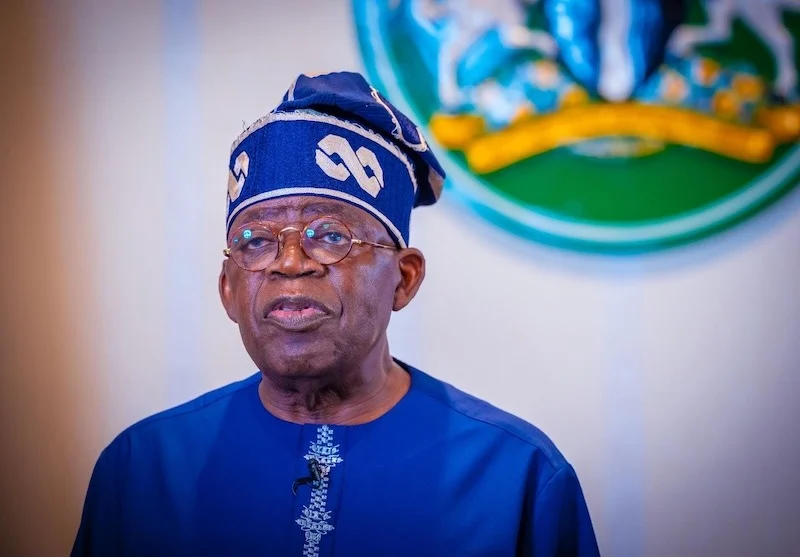
President Bola Tinubu has asked the House of Representatives to approve the implementation of N10.79tn in external borrowing provided for in the 2026 Appropriation Act to finance part of the Federal Government’s budget deficit.
The request was contained in a letter addressed to the Speaker of the House, Tajudeen Abbas, and read during Wednesday’s plenary session.
In the letter, Tinubu requested approval for the government to raise $7.707bn, equivalent to N10.79tn at the budget exchange rate of N1,400 to the dollar.
He explained that the request was made in compliance with Sections 21(1) and 27(1) of the Debt Management Office (DMO) Establishment Act, 2003, which require the terms and conditions of external loans to be presented to the National Assembly for approval.
The President said the proposed external borrowing was already captured in the 2026 budget and formed part of the N29.218tn approved new borrowing to finance the Federal Government’s budget deficit.
The borrowing plan comprises N18.28tn in domestic loans and N10.79tn in external financing.
Tinubu said the government would explore several financing options simultaneously, considering their costs, benefits and the time required to access the funds. He indicated that greater emphasis would be placed on Eurobond issuance, which he described as a relatively faster means of raising substantial funds.
Other proposed sources include concessional and commercial facilities from multilateral and bilateral institutions, International Monetary Fund facilities, bridge financing and direct borrowing from international financial institutions.
The President said the funds would support projects and programmes contained in the 2026 budget, particularly in defence and security, transportation, agriculture, power, education and healthcare.
He also stated that the foreign currency proceeds would be received by the Central Bank of Nigeria on behalf of the Federal Government, helping to strengthen external reserves and support the stability of the naira.
Following the presentation, Abbas clarified that the President was not requesting approval for an entirely new borrowing plan, as the amount had already been provided for in the 2026 Appropriation Act.
He explained that the request was for the statutory authorisation required to implement the external borrowing under the DMO Act.
The Speaker also stressed that the request was separate from another borrowing proposal by the President, which remained subject to consideration on its own merits.
The House referred the request to its relevant committees on loans and debt management and finance for further legislative consideration.
The development comes amid public debate over Nigeria’s rising debt obligations and the Federal Government’s reliance on borrowing to finance budget deficits and infrastructure projects.
Sponsored

Related stories
 News
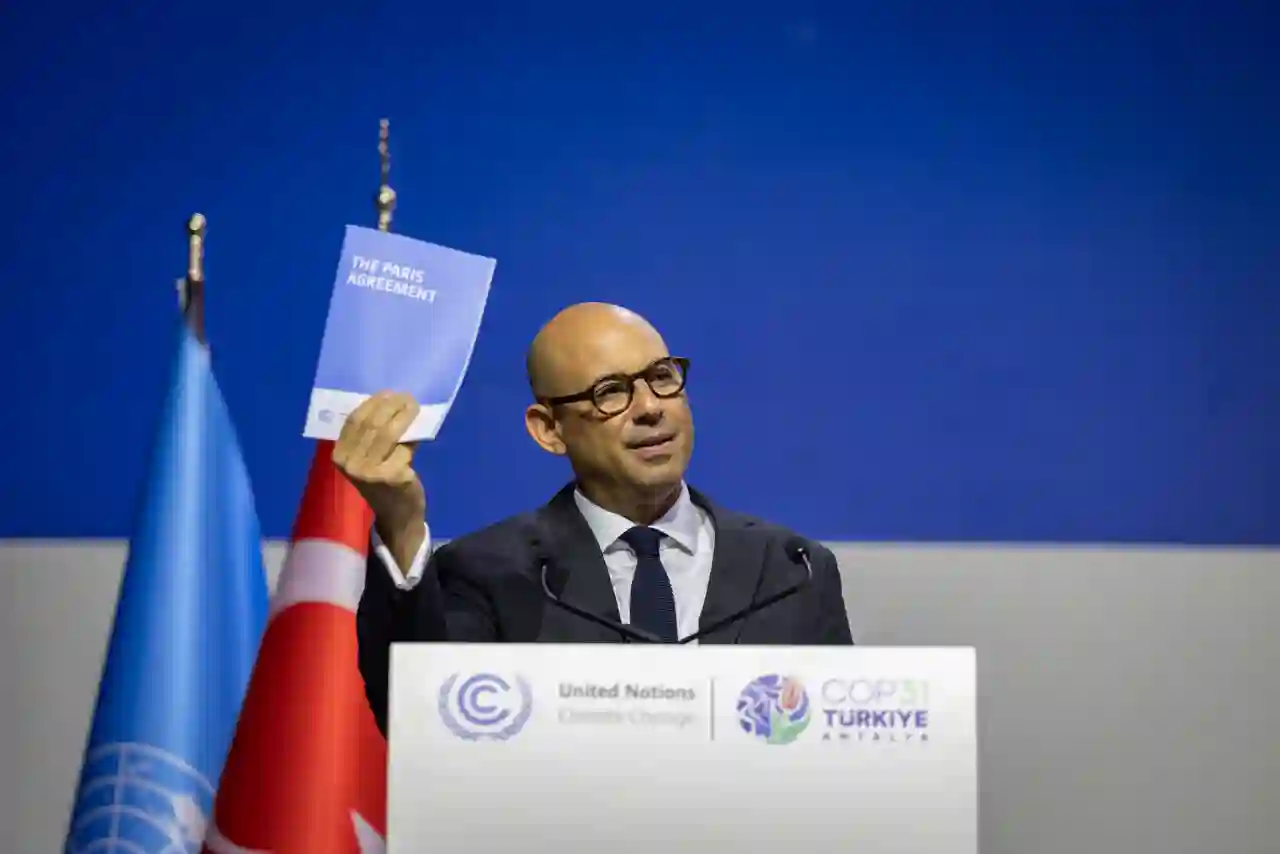
Global Warming Indicators Hit Record Levels as COP31 Calls for Urgent Action
The World Meteorological Organization says rising global temperatures, ocean heat and greenhouse gases underscore the urgent need for stronger climate action.
 News
Vulnerable Island Nations Demand More Climate Finance at COP31
Small island nations at COP31 have called for stronger climate financing, warning that storms, floods and rising seas threaten livelihoods and development.
 News
War, Conflicts Must Not Distract World From Climate Action — Leaders Warn at COP31
Brazil and Türkiye have urged world leaders to maintain climate commitments despite wars, trade disputes and competing global political and economic crises.
 News
COP31: Energy Transition Takes Centre Stage as Countries Map Path Beyond Fossil Fuels
Countries at COP31 are pushing for faster electrification, renewable energy investment and practical roadmaps to reduce dependence on fossil fuels.
Comments (0)
Leave a comment
All comments are moderated before publishing. Your email is never published.