
Tinubu’s N70,000 Transport Allowance Discriminatory — Reuben Abati
Reuben Abati has criticised the Federal Government’s six-month transport allowance, arguing that private-sector workers also face rising transport costs.
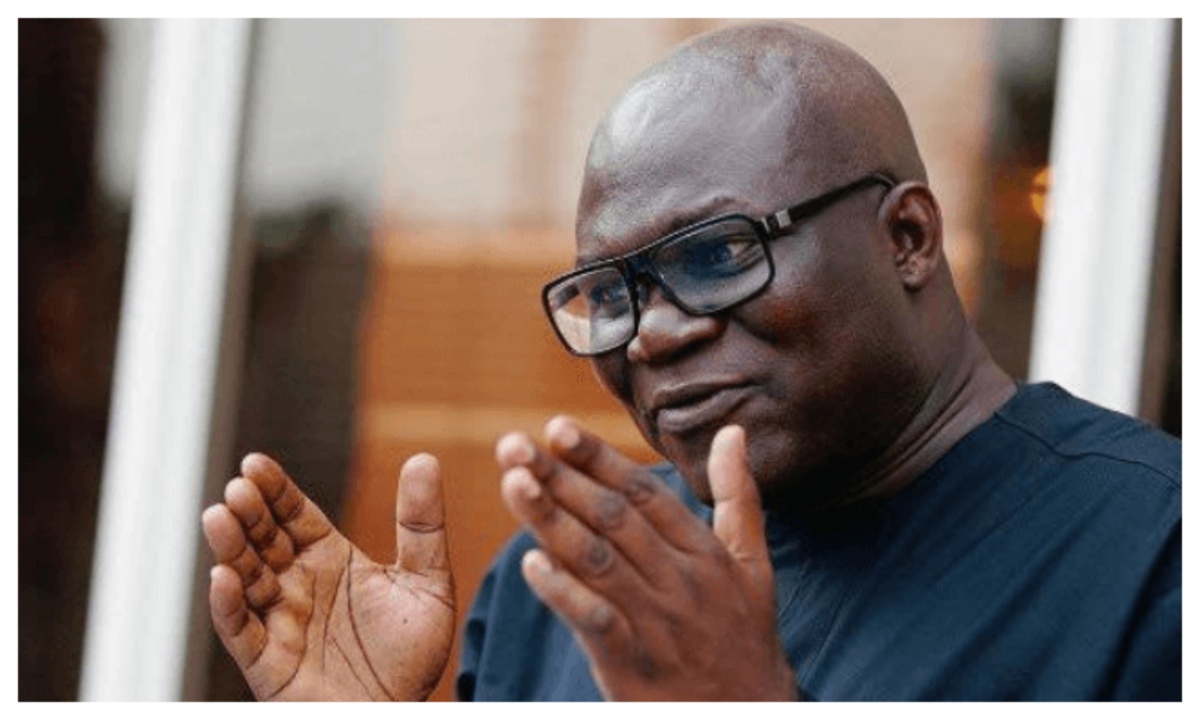
Former presidential aide and Arise Television presenter, Reuben Abati, has criticised the Federal Government’s proposed ₦70,000 monthly transport allowance for public service workers, describing the intervention as discriminatory because it excludes employees in the private sector.
Abati made the remarks on Wednesday during a discussion on Arise Television’s Morning Show, following the government’s agreement with the Nigeria Labour Congress (NLC) to provide transport support for workers for six months.
The Federal Government approved the intervention after a conciliation meeting with the NLC in Abuja on Tuesday, October 27, 2026. The payments are scheduled to begin in November and continue for six months.
Reacting to the announcement, Abati questioned why the financial assistance was restricted to public servants when rising transportation costs and high fuel prices affect workers across different sectors of the economy.
He argued that private-sector employees also contend with the same economic pressures, including increased commuting expenses and the rising cost of essential goods and services.
According to Abati, the government’s intervention should take into account the difficulties faced by Nigerians beyond the public service, particularly workers whose employers may not provide additional financial support to cushion rising living costs.
He also questioned the timing of the announcement and expressed concerns about the effectiveness of other government directives intended to ease the burden of high fuel prices.
The government’s agreement with organised labour formed part of wider discussions on workers’ welfare, minimum wage negotiations and outstanding allowances.
Under the agreement, the government also approved payment of outstanding peculiar allowance arrears, with disbursement scheduled to begin in November in three equal monthly instalments.
The parties agreed to establish a Minimum Wage Negotiation Committee and commence discussions immediately. However, they did not reach an agreement on the effective date for implementing the national minimum wage.
The meeting also addressed outstanding allowances for health workers, the proposed adjustment to the Consolidated Health Salary Structure and hazard allowances for agricultural officers.
While the transport intervention is intended to cushion the effects of rising living costs on public servants, Abati’s criticism has drawn attention to the question of how government support should address the wider population affected by increasing transport expenses.
The government has yet to announce a comparable transport allowance for private-sector workers. The implementation of the public-service intervention is expected to begin in November 2026.
Sponsored

Related stories
 News
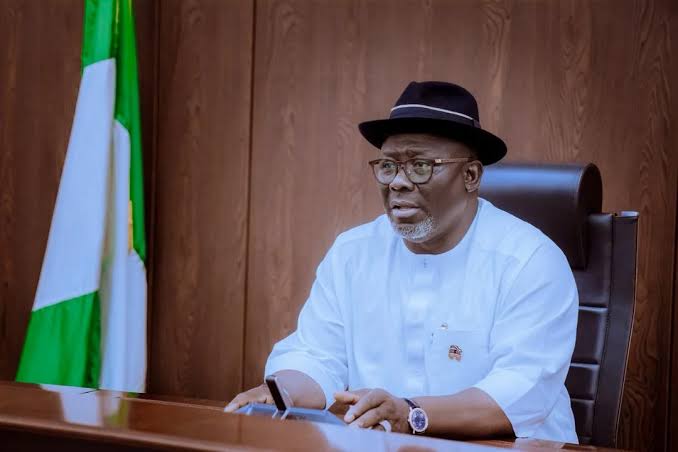
Delta Governor Backs CAN Prayer Retreat Centre Project
Delta State Governor Sheriff Oborevwori has pledged government support for the proposed Christian Association of Nigeria (CAN) Prayer Retreat Centre, promising to work with the Christian community to secure suitable land for the project.
 News
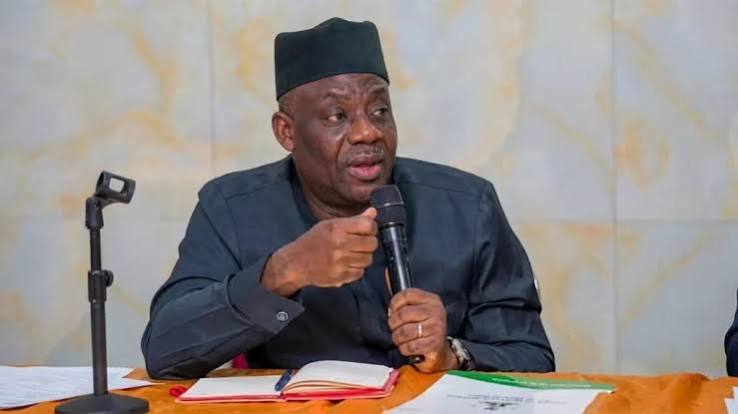
Nigeria Cannot Afford to Ignore Technology in Education, Says Minister
Minister of Education, Tunji Alausa, has urged Nigeria to embrace technology in education, warning that the country cannot continue relying on manual teaching and learning methods amid widespread learning difficulties and inadequate access to qualified teachers.
 News
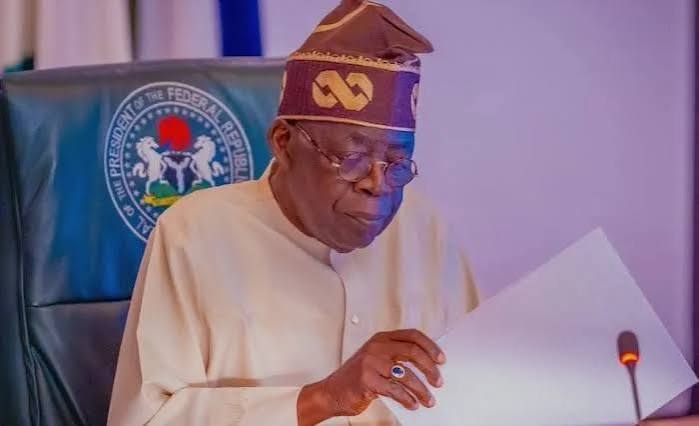
Tinubu Approves Take-Off of Kebbi Inland Dry Port
President Bola Tinubu has approved the establishment of an inland dry port in Kebbi State to strengthen trade, improve cargo handling and stimulate economic activities across the North-West region.
 News
NDC Urges Opposition Parties, Nigerians to Scrutinise INEC Voter Register
The Nigeria Democratic Congress (NDC) has urged opposition parties, civil society organisations and Nigerians to scrutinise the Independent National Electoral Commission's preliminary voter register ahead of the 2027 general elections, citing unexplained increases in registered voters in parts of the country.
Comments (0)
Leave a comment
All comments are moderated before publishing. Your email is never published.