
Tinubu, Atiku Face Scrutiny Over $10.2m US Lobbying Spending
More than $10.2 million reportedly committed by the camps of President Bola Tinubu and former Vice-President Atiku Abubakar to lobbying activities in the US has sparked debate over its opportunity cost.
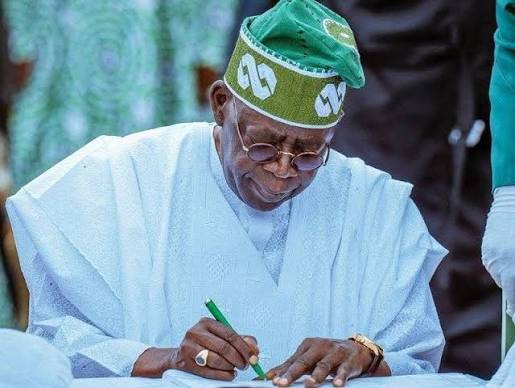
More than $10.2 million reportedly committed by the camps of President Bola Tinubu and former Vice-President Atiku Abubakar to lobbying activities in the United States has triggered fresh debate over political spending and its potential domestic impact.
Public filings under the US Foreign Agents Registration Act showed that the two lobbying engagements were worth about $10.2 million.
At an exchange rate of approximately N1,400 to the dollar, the amount is equivalent to more than N14 billion.
The spending has prompted questions about the opportunity cost of deploying such funds abroad at a time Nigerian businesses and households continue to face economic pressures.
The amount, if converted at N250,000 per business, could theoretically provide financing for about 56,000 micro and small enterprises, although the actual number would depend on the size and structure of any intervention.
The comparison has renewed discussion about the role of lobbying in Nigeria’s international relations, particularly as political actors seek to influence perceptions and policy debates in Washington.
The Tinubu administration has faced increased scrutiny in the US over Nigeria’s security situation, religious freedom and the government’s handling of attacks by armed groups.
In December 2025, the Nigerian government engaged US-based public affairs and lobbying firm DCI Group in a contract reportedly worth $9 million to communicate its policies and efforts to protect Christians and other Nigerians.
Former Vice-President Atiku Abubakar has also engaged US lobbying services as part of efforts to advance his political interests and international profile ahead of the 2027 elections.
The disclosures have raised questions about whether resources devoted to lobbying could yield greater benefits if invested in domestic sectors such as small businesses, job creation and economic development.
The debate comes as political parties and presidential aspirants intensify preparations for the 2027 general elections.
Sponsored

Related stories
 News
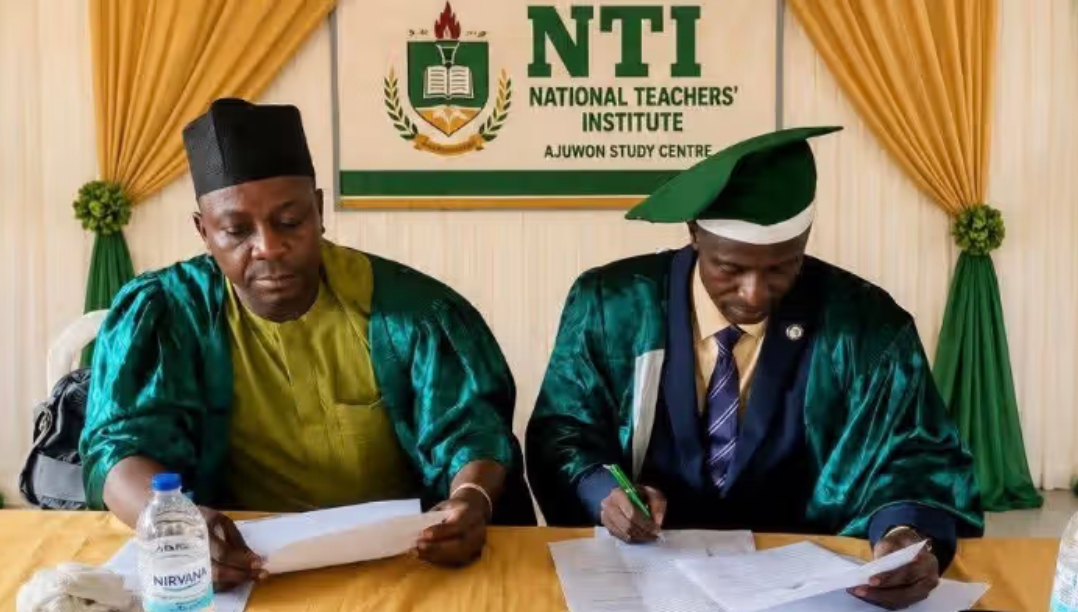
FG Cancels NTI Admissions, Says Institute Lacks Authority to Award NCE, Degrees
The Federal Government has cancelled NTI’s 2026 NCE and degree admissions, citing regulatory breaches and directing the institute to end university affiliations.
 News
Atiku Counters Tinubu, Says He Invested in Education Before Becoming VP
Atiku Abubakar says he began investing in education in 1993, rejecting Tinubu’s allegation that he used public funds to establish a university.
 News
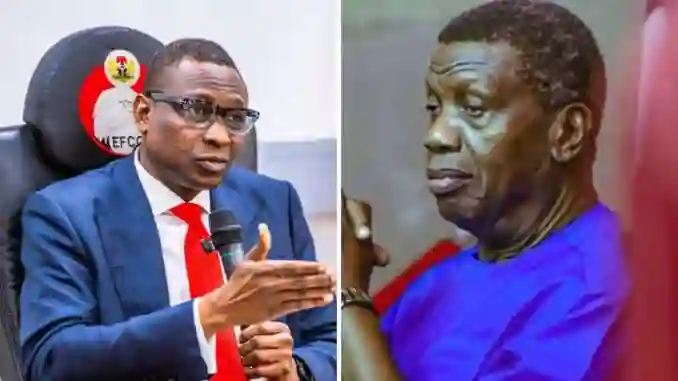
Adeboye Ordered Refund of Billions in Illicit Donations — EFCC Boss
EFCC Chairman Ola Olukoyede says Pastor Enoch Adeboye ordered the refund of billions of naira in suspicious donations within 24 hours.
 News
Obasanjo Charges Nigerian Youths to Take Responsibility for Nation-Building
Former President Olusegun Obasanjo has urged Nigerian youths to take an active role in building a prosperous and united country, stressing the importance of education, integrity, responsible leadership and national service.
Comments (0)
Leave a comment
All comments are moderated before publishing. Your email is never published.