
Strong Economy Vital to Nigeria’s Foreign Policy, Says FG
The Federal Government says a strong domestic economy is essential to Nigeria’s international influence, stressing the need to align diplomatic engagements with national security, economic development and citizens’ welfare.
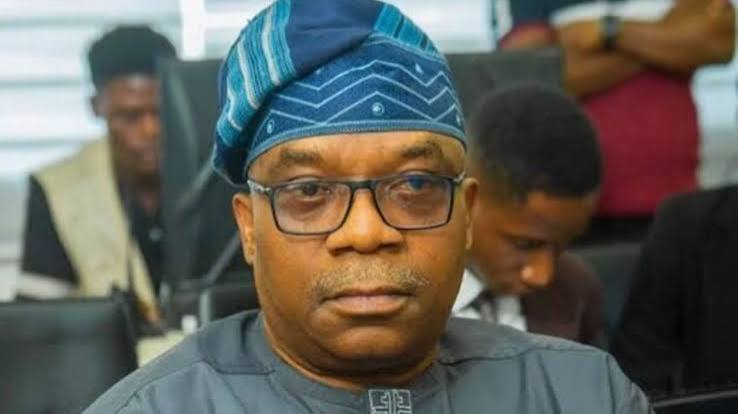
The Federal Government has emphasised the importance of building a strong domestic economy to support Nigeria’s foreign policy objectives and strengthen its influence in international affairs.
The Minister of State for Foreign Affairs, Ambassador Sola Enikanolaiye, stated this on Tuesday while declaring open the sixth edition of the Foreign Policy School at the Ministry of Foreign Affairs in Abuja.
The three-day programme, organised by the Nigerian Institute of International Affairs (NIIA) in collaboration with the Peace-Building Development Consult, is themed Foreign Policy as a Tool for National Security and Economic Growth and runs from November 16 to 18.
Enikanolaiye said the administration of President Bola Tinubu was repositioning Nigeria’s foreign policy through institutional reforms, improved diplomatic operations and a performance-driven approach to managing the country’s foreign missions.
He described the administration’s foreign policy as bold, pragmatic and citizen-centred, guided by the reformulated four Ds of Demography, Development, Diaspora and Democracy, with Nigeria and its citizens at the centre of international engagements.
The minister explained that prioritising domestic development did not diminish Africa’s importance in Nigeria’s foreign policy, noting that the country needed a resilient economy to sustain its leadership role on the continent.
He said ongoing economic reforms were intended to strengthen the domestic foundation required for effective diplomatic engagement and international partnerships.
Recalling that the Ministry of Foreign Affairs adopted the motto, “Nigeria First”, in 2007, Enikanolaiye said the present administration was working to translate the principle into practical results.
He disclosed that Nigerian diplomatic missions abroad were being repositioned as economic hubs and centres for trade and technology facilitation, alongside efforts to improve consular services for citizens.
“We are moving beyond the mantra of diplomacy for diplomacy’s sake to a purposeful engagement calibrated to serve our people,” he said.
To improve accountability and service delivery, the minister unveiled three instruments for assessing the performance of Nigeria’s foreign missions.
They include the Stations Charter, which assigns specific priorities to individual diplomatic missions; the Strategic Career Performance Evaluation and Review (SCAPER), an annual assessment of heads of mission; and the Global Best Practices Project, designed to identify successful international practices that could inform national policies.
He said the initiatives represented a shift from measuring diplomatic success through routine activities to assessing tangible outcomes that advance Nigeria’s national interests.
On international relations, Enikanolaiye reaffirmed Nigeria’s commitment to strategic autonomy, economic diplomacy and citizen diplomacy, while strengthening partnerships across the Atlantic, the Global South, the United Nations, the African Union and the Commonwealth.
He added that the country's international engagements would be guided by reciprocity, mutual respect and respect for national sovereignty.
Addressing security challenges in West Africa, the minister identified insecurity in the Sahel, unconstitutional changes of government, the proliferation of small arms and humanitarian crises as major threats confronting the Economic Community of West African States (ECOWAS).
He maintained that Nigeria had no territorial ambitions in the region and remained committed to good neighbourliness, dialogue and mediation, including engagements with member states of the Alliance of Sahel States, to restore constitutional order and rebuild regional confidence.
Enikanolaiye called for stronger preventive diplomacy, effective early-warning mechanisms and constructive dialogue among African countries, noting that preventing conflicts was less costly than managing their consequences.
He described the Foreign Policy School as an investment in strengthening the intellectual capacity of Nigeria’s diplomatic service, urging participants to remain committed to protecting and advancing the country's national interests.
Sponsored

Related stories
 News
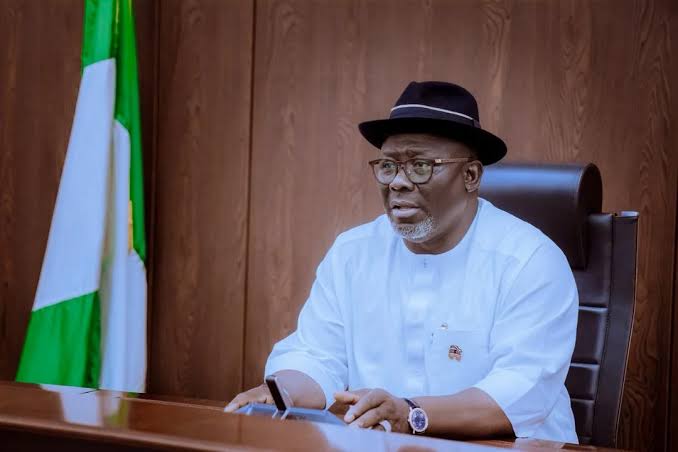
Delta Governor Backs CAN Prayer Retreat Centre Project
Delta State Governor Sheriff Oborevwori has pledged government support for the proposed Christian Association of Nigeria (CAN) Prayer Retreat Centre, promising to work with the Christian community to secure suitable land for the project.
 News
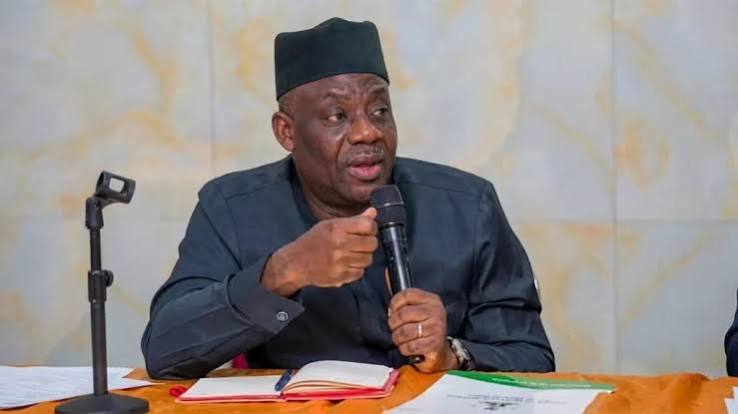
Nigeria Cannot Afford to Ignore Technology in Education, Says Minister
Minister of Education, Tunji Alausa, has urged Nigeria to embrace technology in education, warning that the country cannot continue relying on manual teaching and learning methods amid widespread learning difficulties and inadequate access to qualified teachers.
 News
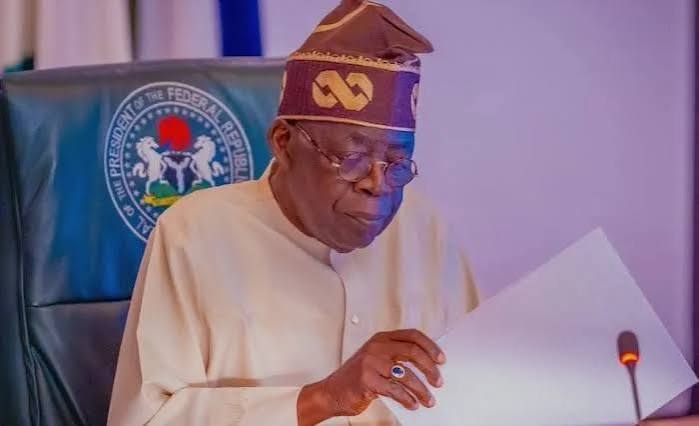
Tinubu Approves Take-Off of Kebbi Inland Dry Port
President Bola Tinubu has approved the establishment of an inland dry port in Kebbi State to strengthen trade, improve cargo handling and stimulate economic activities across the North-West region.
 News
NDC Urges Opposition Parties, Nigerians to Scrutinise INEC Voter Register
The Nigeria Democratic Congress (NDC) has urged opposition parties, civil society organisations and Nigerians to scrutinise the Independent National Electoral Commission's preliminary voter register ahead of the 2027 general elections, citing unexplained increases in registered voters in parts of the country.
Comments (0)
Leave a comment
All comments are moderated before publishing. Your email is never published.