
Stop Exporting Africa’s Mineral Wealth, Shettima Tells African Leaders
Vice President Kashim Shettima urges leaders to stop raw mineral exports and prioritise local processing.
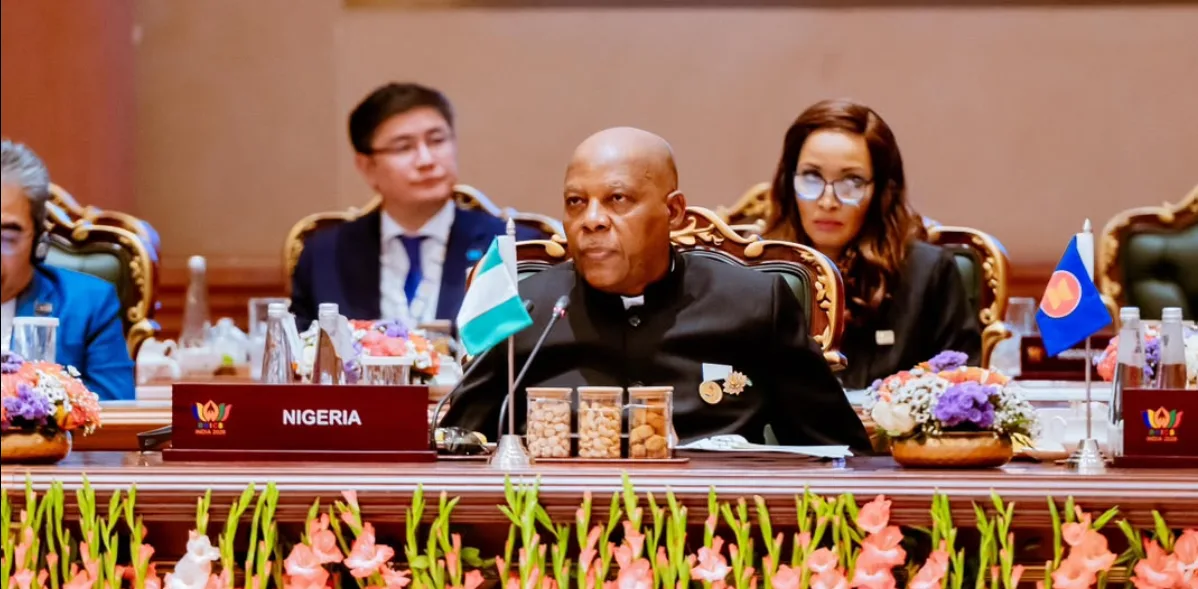
Vice-President Kashim Shettima has urged African leaders to stop exporting raw materials and prioritise local processing and manufacturing to retain economic value on the continent.
Shettima made the call during a visit to the Glo-Djigbé Industrial Zone in Cotonou, Benin Republic, where he assessed industrial and agro-processing facilities.
He said Africa must take control of its natural resources and global trade by developing industries capable of transforming raw materials into higher-value products.
He said the continent could no longer afford to remain a supplier of raw materials to industries outside Africa while importing finished products made from its own resources.
According to him, local value addition would create jobs, expand economic opportunities, strengthen exports and support industrial development across Africa and the region.
Shettima commended Benin’s efforts to promote mass production and the export of locally sourced products.
He said Nigeria would draw lessons from Benin’s experience, particularly in developing integrated value chains around cotton, cashew and soya beans.
Meanwhile, the Nigerian Government was establishing eight agro-industrial zones across eight states to accelerate industrialisation.
He said the initiative would support industries capable of processing agricultural resources and creating opportunities for employment.
Shettima also noted that Africa currently accounts for only about one per cent of the global cotton industry, valued at $370 billion.
He said reviving Nigeria’s textile value chain could create millions of jobs, increase non-oil exports and stimulate economic activity across the country.
He inspected facilities producing cotton, textiles, cashew products and soya bean oil during the visit. He said the experience would provide practical lessons for Nigeria as it seeks to strengthen domestic manufacturing and reduce dependence on unprocessed commodity exports.
Shettima further said the Federal Government remained committed to positioning Nigeria as a major industrial economy, while encouraging stronger cooperation between federal and state governments.
The visit formed part of efforts by the Nigerian Government to study industrial models within the region and identify practical approaches that could strengthen domestic value chains.
The call comes amid wider efforts across Africa to move beyond raw commodity exports and capture more value through processing, manufacturing and regional industrial cooperation.
Sponsored
Related stories
 News
News
Police Secure Conviction of 19 for Terrorism, Others in Kebbi
Kebbi Police say 19 people were convicted for terrorism, illegal firearms possession and vandalism after 17 months of investigation.
 News
News
Lagos to Demolish GNI Building 10 Months After Fire
Lagos began controlled demolition of the fire-ravaged GNI building after structural checks found the 25-storey structure unsafe.
 News
News
Air Peace Cries Out as Fraudster Impersonates Staff to Dupe Passengers
Air Peace Cries Out as Fraudster Impersonates Staff to Dupe Passengers
 News
News
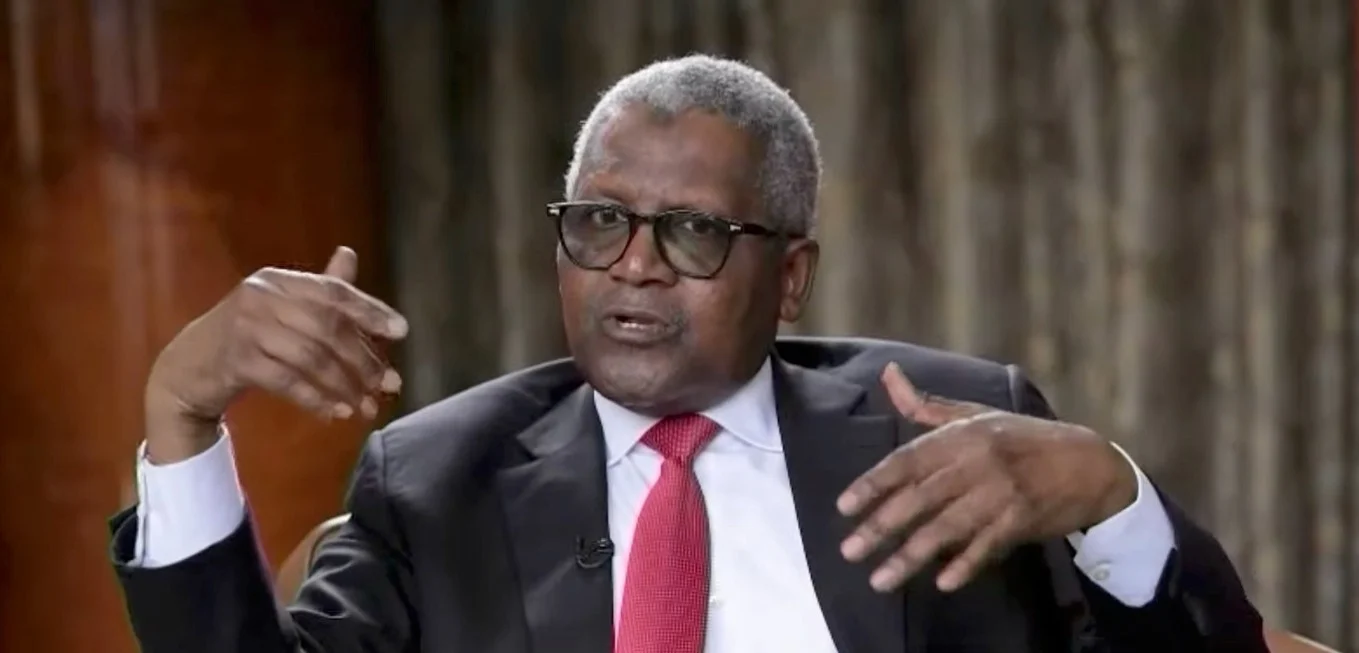
Dangote to Prioritise Investors with N50,000 or Below in Refinery IPO
Aliko Dangote says small investors subscribing with ₦50,000 or less will receive priority as the refinery seeks wider public ownership.
Comments (0)
Leave a comment
All comments are moderated before publishing. Your email is never published.