
Shipowners Urge Dangote to Support Local Fleet
Indigenous shipowners want Dangote Group to provide long-term cargo contracts to strengthen Nigeria’s local shipping industry.
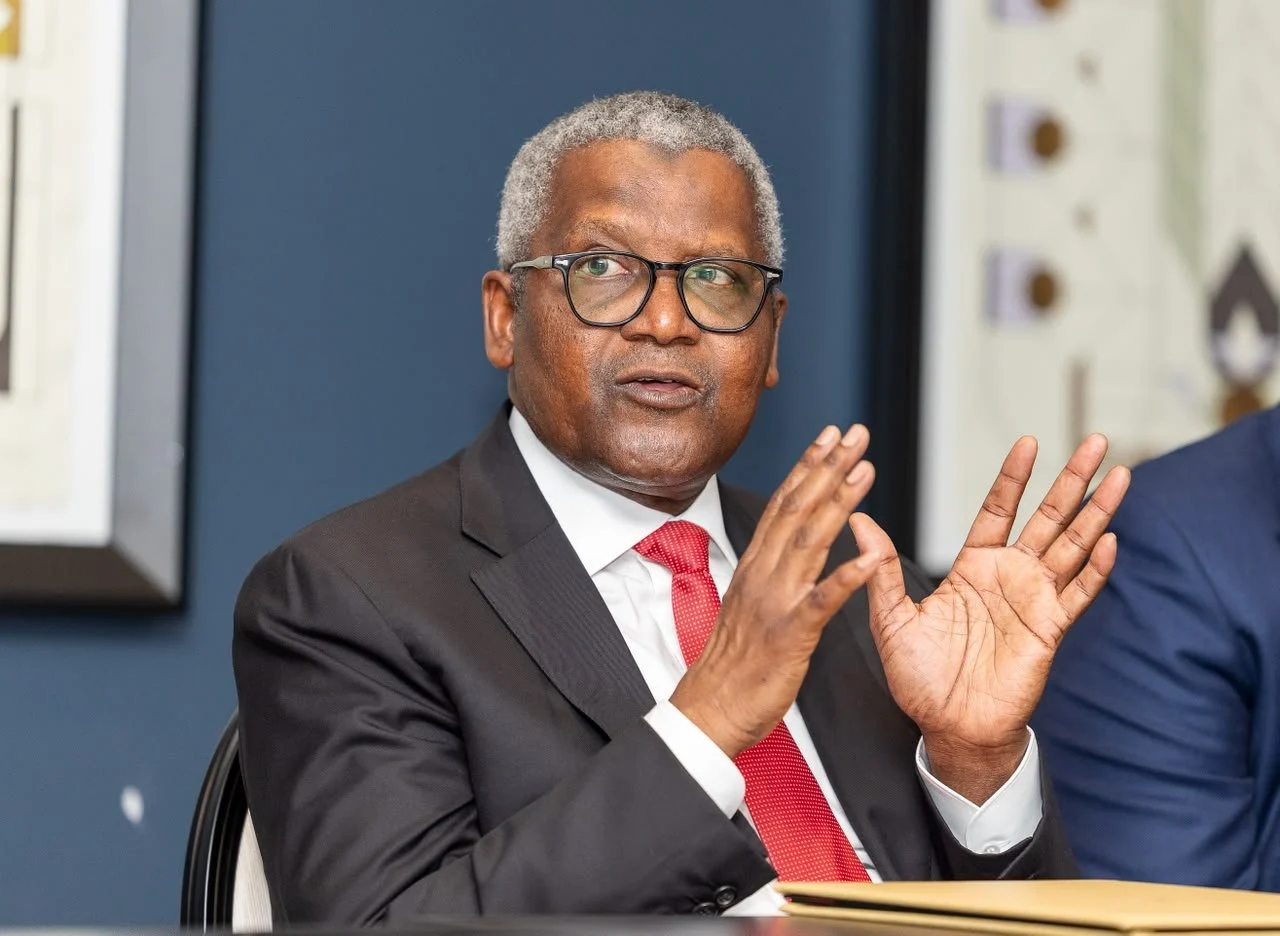
Indigenous shipowners have called on major cargo owners, including the Dangote Group, to support the development of Nigeria’s local shipping fleet through long-term cargo contracts.
The appeal was made by former Nigeria Chapter President of the African Shipowners Association and Group Managing Director of Seamate Maritime Integrated Services Limited, Capt. Ladi Olubowale, during a Public-Private Dialogue with chief executives organised by the Nigerian Chamber of Shipping in Lagos.
The event, themed “Unlocking Efficiency in the Marine and Blue Economy Value Chain,” brought together stakeholders in the maritime industry, including Dangote Group’s Group Vice President, Oil and Gas, Edwin Devakumar.
Olubowale said cargo was the foundation of a viable shipping industry, arguing that predictable cargo contracts would give indigenous shipowners the confidence and financial backing needed to acquire vessels.
He urged Dangote and other large cargo owners to offer qualified Nigerian operators long-term Contracts of Affreightment for petroleum products, cement, fertiliser and other bulk cargoes.
According to him, such agreements would provide shipowners with predictable revenue and allow them to approach commercial banks, development finance institutions, export credit agencies and international financiers for vessel financing.
He said Dangote was particularly positioned to support local fleet development because its refinery, cement and fertiliser operations generate substantial maritime cargo volumes.
Olubowale also raised concerns about foreign-controlled vessels transporting Nigerian crude from terminals including Forcados, Bonny and Escravos, saying more of the freight value generated by Nigerian cargo should translate into domestic assets, jobs and technical capacity.
He proposed a four-pillar approach involving Cargo, Contract, Finance and Vessel. Under the model, cargo owners would provide predictable volumes, long-term contracts would make the business bankable, financiers would support vessel acquisition, and indigenous operators would provide the ships and maritime services.
He said the approach would complement existing government initiatives, including the Cabotage Vessel Financing Fund, while allowing the private sector to drive commercial fleet development.
Olubowale added that stronger cooperation among cargo owners, shipowners, financial institutions, regulators and government would be necessary to build a sustainable Nigerian maritime industry.
He said the expansion of intra-African trade under the African Continental Free Trade Area would further increase the importance of maritime transport and create opportunities for Nigeria to use its large cargo base to develop indigenous shipping capacity.
Sponsored

Related stories
 News
News
Police Secure Conviction of 19 for Terrorism, Others in Kebbi
Kebbi Police say 19 people were convicted for terrorism, illegal firearms possession and vandalism after 17 months of investigation.
 News
News
Lagos to Demolish GNI Building 10 Months After Fire
Lagos began controlled demolition of the fire-ravaged GNI building after structural checks found the 25-storey structure unsafe.
 News
News
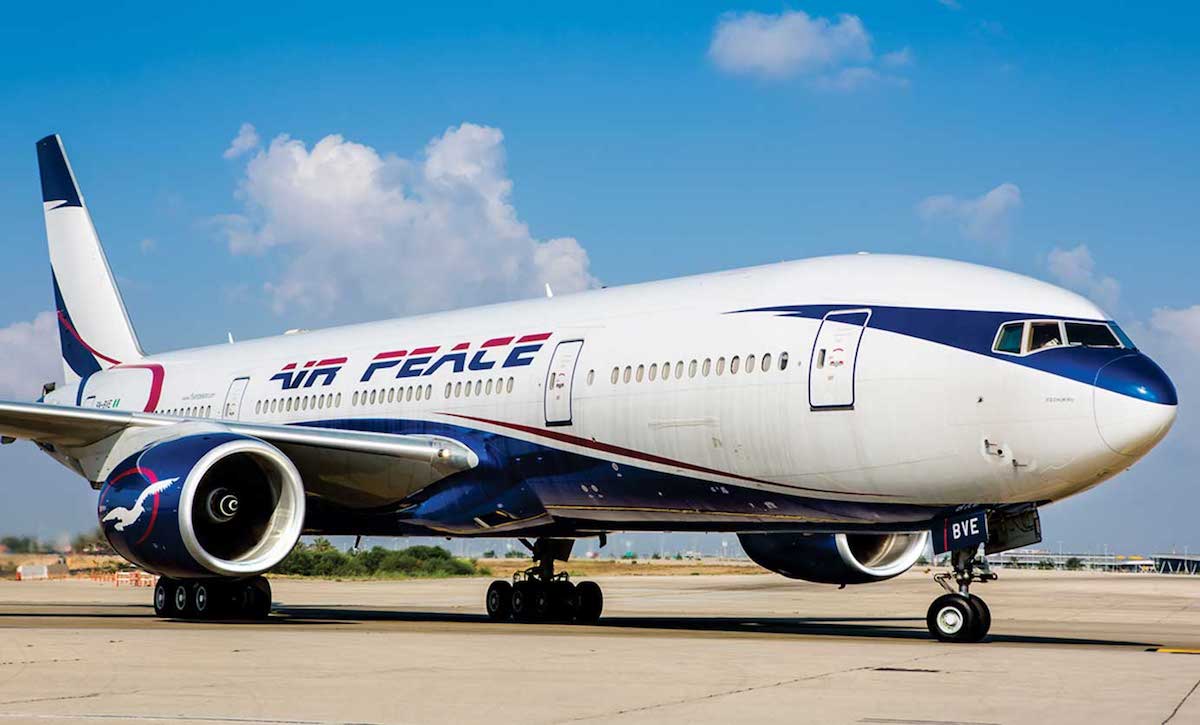
Air Peace Cries Out as Fraudster Impersonates Staff to Dupe Passengers
Air Peace Cries Out as Fraudster Impersonates Staff to Dupe Passengers
 News
News
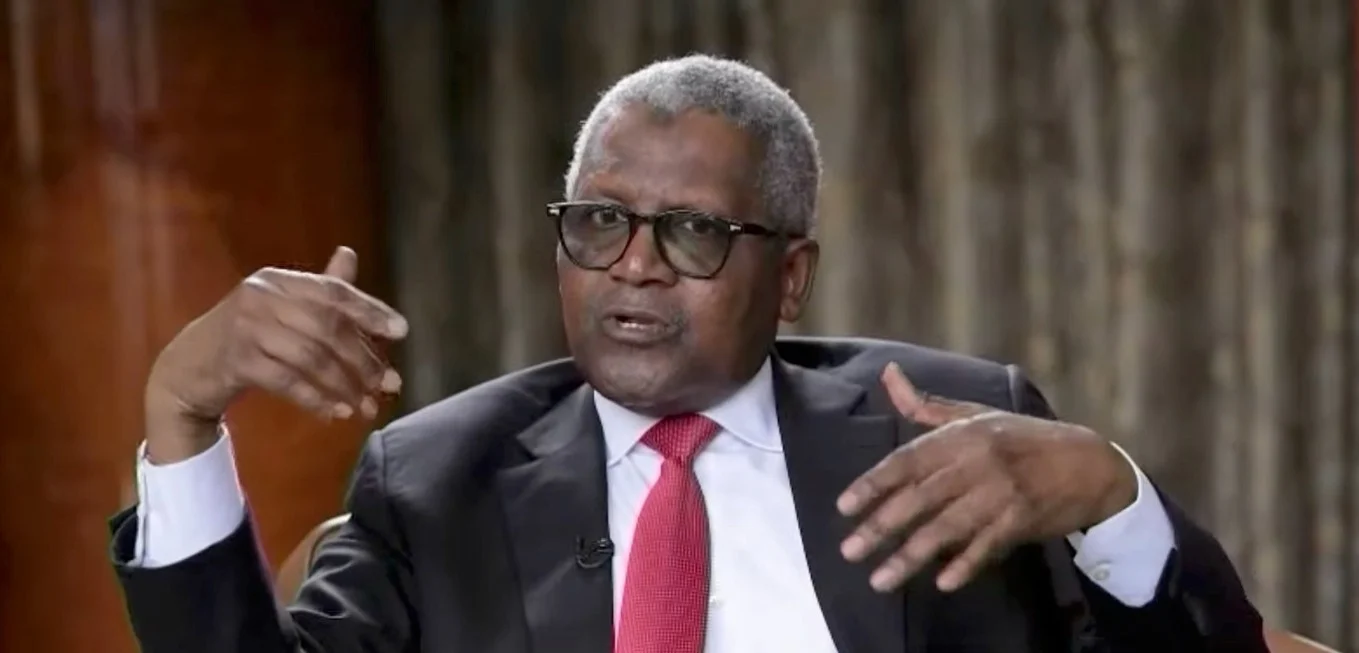
Dangote to Prioritise Investors with N50,000 or Below in Refinery IPO
Aliko Dangote says small investors subscribing with ₦50,000 or less will receive priority as the refinery seeks wider public ownership.
Comments (0)
Leave a comment
All comments are moderated before publishing. Your email is never published.