
Senegal-Made Sickle Cell Treatment Raises Hopes, Reduces Costs
Senegal’s locally produced sickle cell medicine raises hopes of cheaper treatment and improved access for patients across Africa.
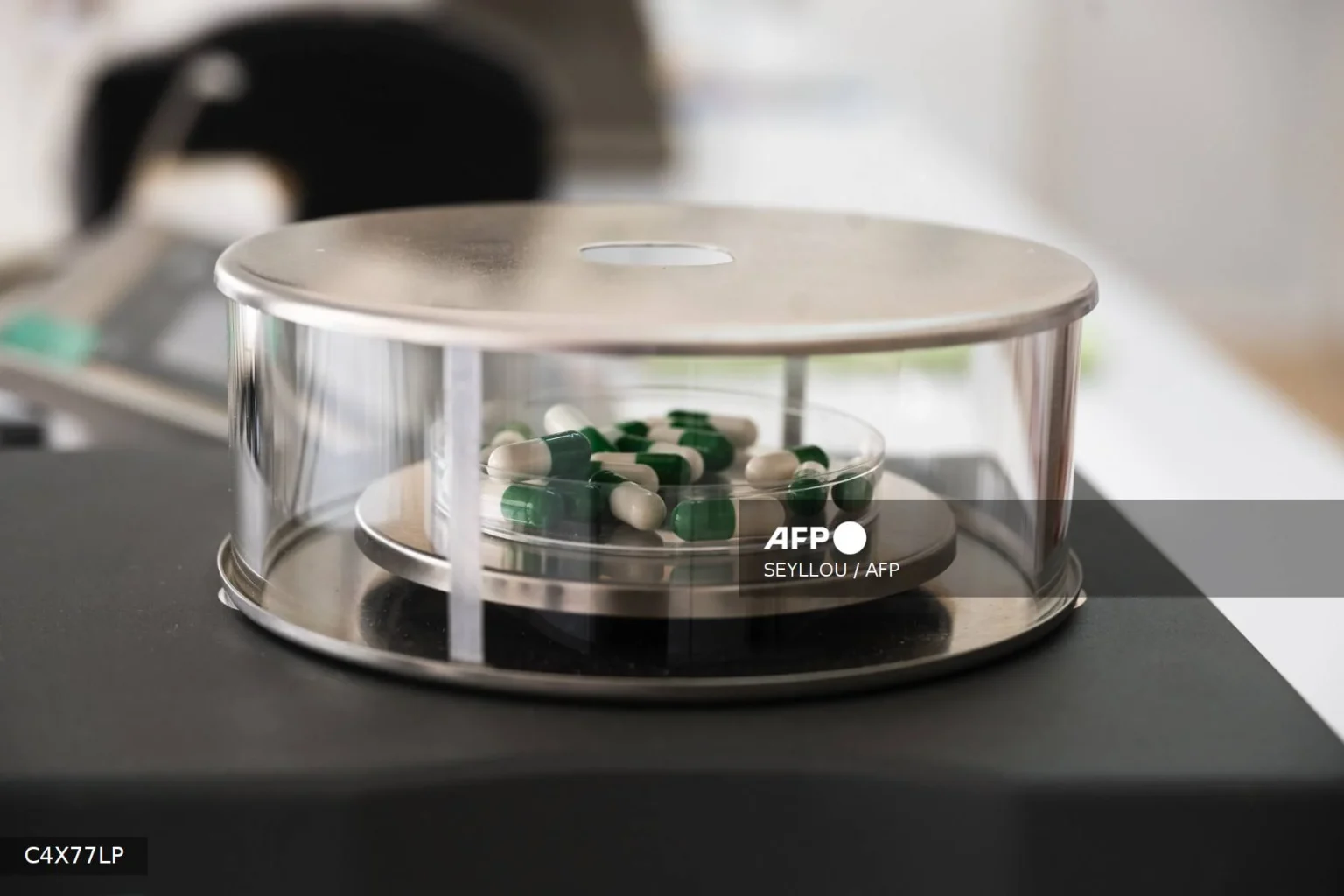
Senegal has begun producing a locally made sickle cell treatment, raising hopes of cheaper access for patients.
A Senegalese pharmaceutical company, Teranga Pharma, is producing Drepaf, a generic version of hydroxyurea used to manage sickle cell disease. It was launched in November 2025 as an affordable alternative to imported treatments.
Hydroxyurea is recommended by the World Health Organisation because it can reduce painful crises, hospitalisations, blood transfusions and premature deaths.
Africa carries a large share of the global sickle cell burden, accounting for nearly 80 per cent of cases. Many African countries depend heavily on imported medicines.
Teranga Pharma says Drepaf could help reduce that dependence. The drug is available in 500 milligram capsules for adults and 100 milligram doses for children, supporting flexible treatment options for younger patients.
The company says the paediatric formulation addresses an important gap. Its chief executive, Mouhamadou Sow, said local production could improve access.
Drepaf’s 500mg and 100mg versions are sold to pharmacies at wholesale prices of 3,000 CFA francs and 1,500 CFA francs respectively. Imported products can cost up to three times more.
The treatment is already attracting interest beyond Senegal and other West African markets. Teranga Pharma says it is working with partners in Burkina Faso, Guinea and Ivory Coast and has received requests from the Democratic Republic of Congo, Gabon and Cameroon.
The company is working with an Indian technical partner to increase production and expand supply across the continent. It aims to meet demand across sub-Saharan Africa by 2030.
Advocacy groups have welcomed the development. Magueye Ndiaye, president of the Senegalese Association for the Fight Against Sickle Cell Disease, described Drepaf as a significant step forward in care for patients.
One parent also reported fewer painful episodes after her son switched from an imported hydroxyurea product to Drepaf.
Health authorities also increasingly emphasise early diagnosis and treatment. The WHO has strongly recommended hydroxyurea for children and adolescents with sickle cell anaemia.
For Senegal and other African countries, local production could strengthen medicine supply chains and local pharmaceutical capacity while reducing costs and dependence on foreign manufacturers. However, sustained access will depend on production capacity, regulatory oversight, affordability and distribution.
Sponsored

Related stories
 News
News
Zelensky to Resume Strikes on Russian Refineries as Energy Truce Collapses
Ukraine has resumed attacks on Russian oil facilities after continued Russian strikes on Ukrainian energy infrastructure undermined a proposed ceasefire.
 News
News
2027: Atiku Unveils Portal for Nigerians to Question Him
Atiku launches Ask AA, a digital platform inviting Nigerians to question his record, policy proposals and plans ahead of the 2027 election.
 News
News
PCC Inauguration: APC Banks on Tinubu’s Record for Re-election
APC leaders say Tinubu’s reforms and infrastructure projects will anchor the party’s campaign as it prepares for Nigeria’s 2027 presidential election.
 News
News
US Considers Hitting Iran with ‘Mother of All Bombs’ — Report
US planners weigh a powerful bomb for possible strikes on Iranian infrastructure and nuclear sites.
Comments (0)
Leave a comment
All comments are moderated before publishing. Your email is never published.