
Schneider Urges Collaboration to Build AI-Ready Infrastructure in Africa
Schneider Electric has called for stronger collaboration among governments, businesses and industry partners to develop resilient energy and digital infrastructure capable of supporting Africa’s growing AI adoption.
Schneider Electric has urged governments, businesses and industry partners across the Middle East and Africa to strengthen collaboration to accelerate the development of infrastructure capable of supporting the growing adoption of artificial intelligence.
The company made the call after its Innovation Summit Middle East and Africa 2026 in Abu Dhabi, which brought together more than 2,500 government officials, energy professionals, industry analysts, customers, partners, students and media representatives.
The two-day summit, themed “Advancing Energy Tech to Power Intelligence and Resilience,” examined the convergence of energy, artificial intelligence and industrial software and its implications for the region’s economic development.
Schneider Electric said the expansion of AI-driven economic activity was increasing demand for energy and industrial systems that were intelligent, efficient, resilient and sustainable.
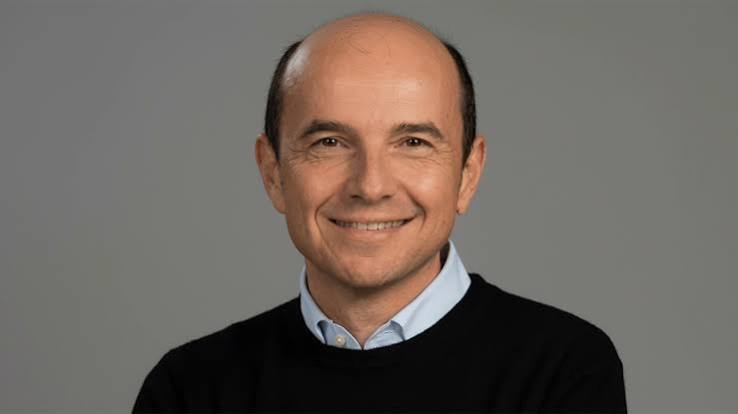
Olivier Blum, Chief Executive Officer of Schneider Electric, said AI was increasingly becoming embedded in physical economic activities despite being a digital technology.
He said AI depended on electricity and the physical infrastructure supporting its operations, making collaboration between energy and technology stakeholders increasingly important.
Blum said the scale of the transformation was particularly evident across the Middle East and Africa, where governments and businesses were investing in energy and digital infrastructure to support industrial transformation and long-term economic growth.
The summit also featured the release of Schneider Electric’s 2026 Industrial AI in CPG Study: UAE, which examined AI adoption among food and beverage manufacturers in the United Arab Emirates.
The study found that 23 per cent of UAE manufacturers surveyed considered AI a core part of their operations, compared with 16.3 per cent globally.
It also found that 59 per cent expected AI to have a transformational impact on their organisations by 2030, compared with 42.2 per cent globally, while 38 per cent identified cybersecurity as a top priority as AI deployment expanded.
Walid Sheta, President of Schneider Electric’s Middle East and Africa Zone, said industrial AI was moving from experimentation to deployment, with the next challenge being to ensure that systems were secure, scalable and capable of producing measurable business outcomes.
Meanwhile, Schneider Electric and the UAE Ministry of Economy and Tourism signed an agreement to launch the NEST Accelerator Programme.
The 12-week programme will support high-potential early-stage startups across the Middle East and Africa working in Energy Tech, Industrial Tech and Enterprise AI.
The programme will be delivered through a specialised third-party accelerator under Schneider Electric’s supervision.
Sponsored

Related stories
 News
Oyo Police Summon Toluwanisings’ Wife, Father, Friends as Parties Sign Peace Deal
The Oyo State Police Command has intervened in the dispute over the late gospel singer’s burial arrangements, securing a peace undertaking from his family and associates.
 News
Faith-Based Group Secures $1m for African Businesses
Loveworld Kingdom attracted $1m for an investment initiative aimed at helping small and medium-sized businesses expand operations and access new markets.
 News
Senate Steps Down Barau’s Agricultural Revolution Bill
The Senate deferred consideration of the 2026 bill after lawmakers raised concerns about its drafting, broad scope and circulation of printed copies.
 News
‘Paying Salaries Is Your Duty, Not an Achievement’ — Natasha Akpoti Tackles Kogi Governor
Senator Natasha Akpoti-Uduaghan has criticised Governor Ahmed Usman Ododo over Kogi’s development record, arguing that paying workers’ salaries is a basic government responsibility.
Comments (0)
Leave a comment
All comments are moderated before publishing. Your email is never published.