
Russian Envoy Urges Nigeria to Combine Punishment, Prevention in Anti-Corruption Fight
Russian diplomat Igor Ivannikov said effective anti-corruption efforts should combine punishment for offences with preventive measures addressing the causes of corruption.
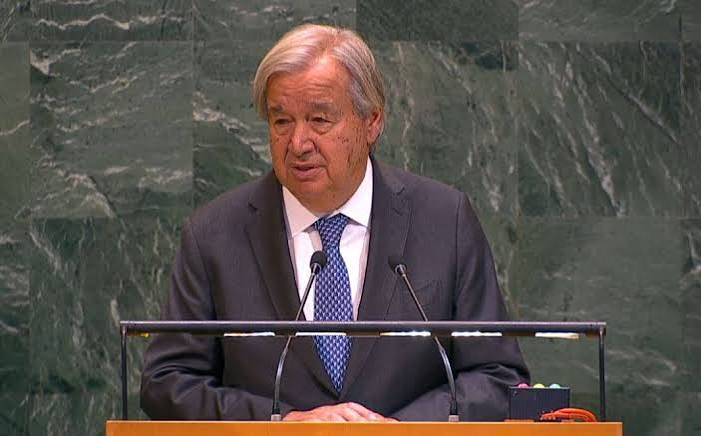
The Minister Counsellor of the Russian Embassy in Nigeria, Igor Ivannikov, has called for an anti-corruption strategy that combines punishment for offences with measures aimed at preventing corrupt practices.
Ivannikov made the call on Tuesday in Abuja while outlining Russia’s anti-corruption framework and areas of possible cooperation with Nigeria at a diplomatic dialogue organised by the Independent Corrupt Practices and Other Related Offences Commission (ICPC) and the Anti-Corruption Academy of Nigeria.
He said modern anti-corruption policies generally focused on two areas: suppressing offences that had already been committed and addressing the underlying causes of corruption.
According to him, Russia had developed a comprehensive anti-corruption system over several decades, combining law enforcement with preventive measures.
He said criminal punishment alone could not eliminate the causes of corruption, noting that Russian legislation also provided mechanisms for preventing corrupt conduct.
Ivannikov identified income and property declarations by public officials as one of the preventive measures used in Russia, saying such declarations allowed authorities to compare officials’ stated income with their property holdings.
He also highlighted conflict-of-interest rules, which require civil servants to disclose situations in which personal interests could affect the objective performance of their duties.
The diplomat said Russia also conducts anti-corruption reviews of existing regulations to identify provisions that could create opportunities for criminal conduct.
On public procurement, Ivannikov said Russia had transferred significant parts of the process to electronic platforms, allowing authorities and the public to monitor different stages, from tender publication to contract execution.
He, however, cautioned that digitalisation alone could not eliminate corruption, saying its effectiveness depended on oversight, access to information and accountability.
Ivannikov also said Russia was prepared to share its experience with Nigeria in financial investigations, tracing illicit funds and recovering assets located abroad.
He said Russia had developed mechanisms through its Prosecutor General’s Office for searching, seizing, confiscating and recovering proceeds of crime held outside the country.
The envoy noted that Nigeria and Russia had already established a legal basis for cooperation through a 2018 Treaty on Mutual Legal Assistance in Criminal Matters, which had subsequently been ratified by Russia.
Speaking at the event, ICPC Chairman, Musa Aliyu, SAN, said Nigeria could benefit from studying Russia’s experience in combating corruption.
Aliyu said both countries had maintained longstanding bilateral relations and signed agreements covering areas including air communication, economic, scientific and technical cooperation and trade.
He said Nigeria’s continued anti-corruption efforts could benefit from comparative experiences, best practices and innovative approaches that could be adapted to the country’s circumstances.
Sponsored

Related stories
 News
News
Police Secure Conviction of 19 for Terrorism, Others in Kebbi
Kebbi Police say 19 people were convicted for terrorism, illegal firearms possession and vandalism after 17 months of investigation.
 News
News
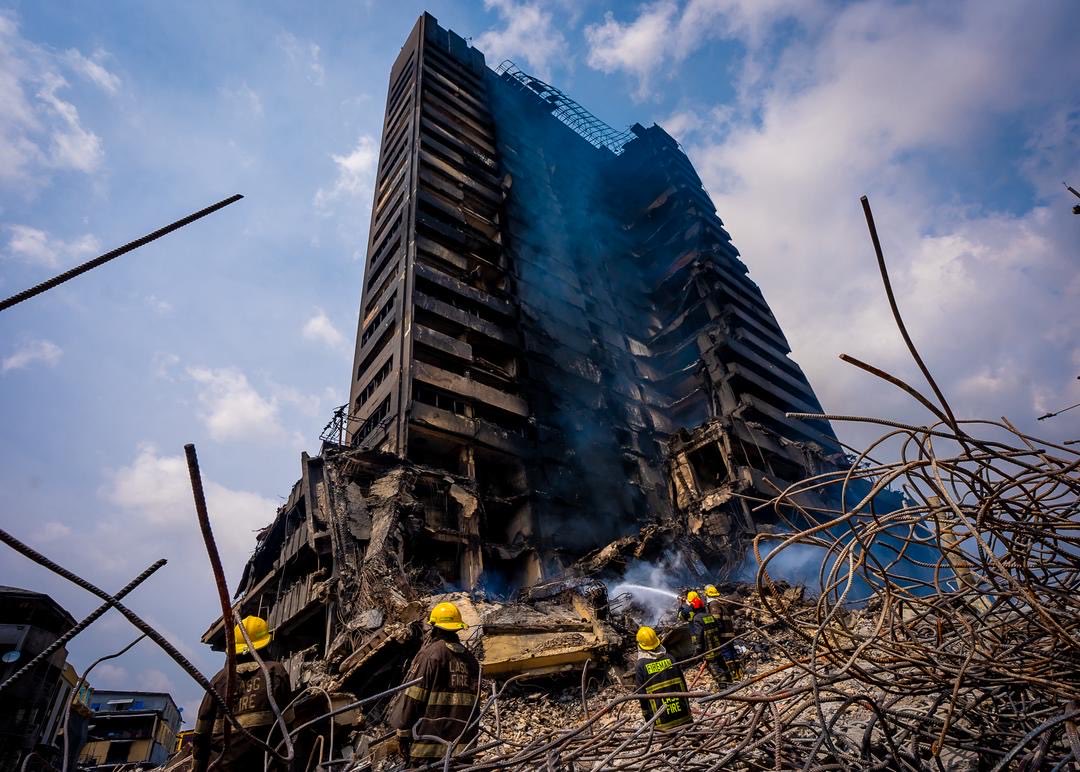
Lagos to Demolish GNI Building 10 Months After Fire
Lagos began controlled demolition of the fire-ravaged GNI building after structural checks found the 25-storey structure unsafe.
 News
News
Air Peace Cries Out as Fraudster Impersonates Staff to Dupe Passengers
Air Peace Cries Out as Fraudster Impersonates Staff to Dupe Passengers
 News
News
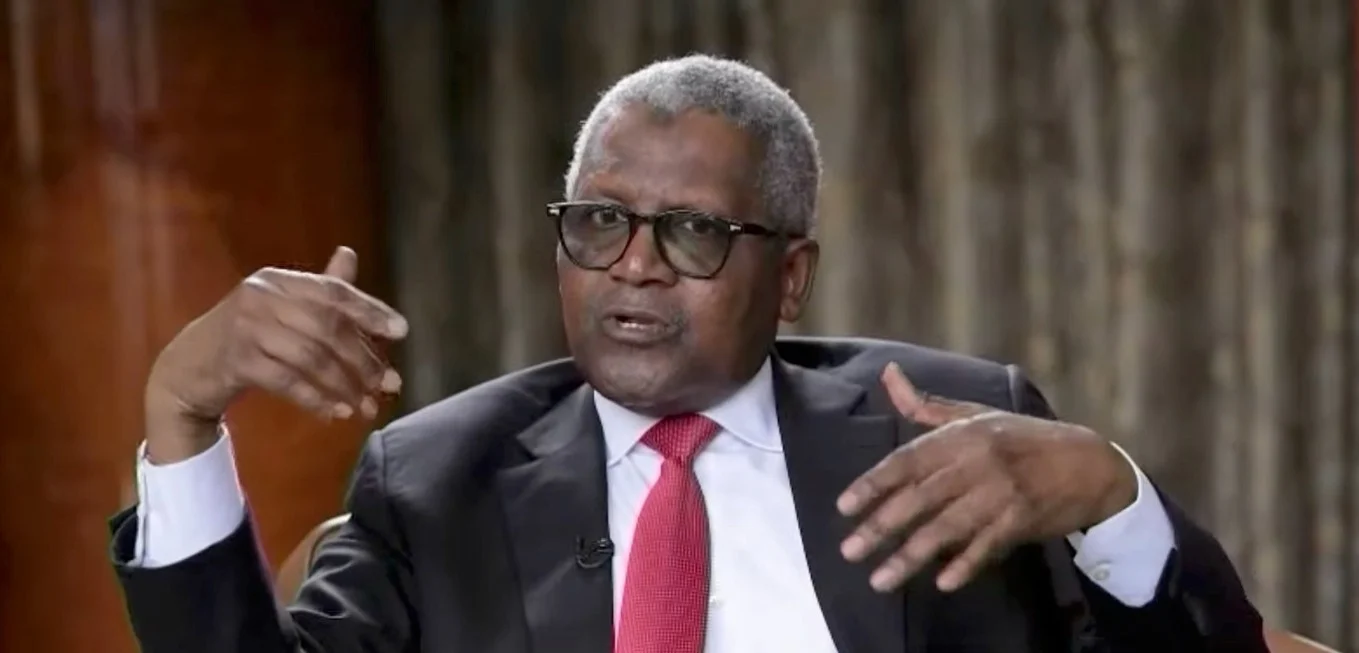
Dangote to Prioritise Investors with N50,000 or Below in Refinery IPO
Aliko Dangote says small investors subscribing with ₦50,000 or less will receive priority as the refinery seeks wider public ownership.
Comments (0)
Leave a comment
All comments are moderated before publishing. Your email is never published.