
Ribadu Says Military Operations Alone Cannot End Banditry
National Security Adviser Nuhu Ribadu has called for intelligence-sharing, stronger border controls, community participation and economic interventions to tackle banditry, particularly in Sokoto State.
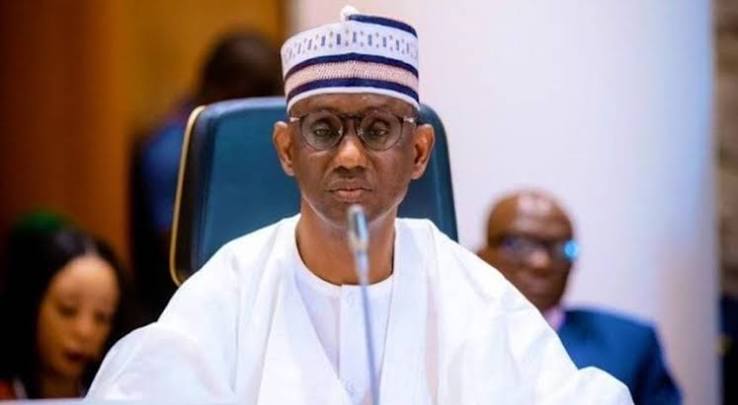
National Security Adviser (NSA), Nuhu Ribadu, has said military operations alone cannot end banditry, stressing the need for intelligence-led interventions, effective border management and community participation to address insecurity.
Ribadu made the remarks through the Director of Legal Services in the Office of the National Security Adviser, Zakari Mijinyawa, at a brainstorming session on tackling banditry organised by the Sokoto Advancement Forum in collaboration with the Centre for Peace Studies at Usmanu Danfodiyo University, Sokoto.
He said banditry had expanded beyond cattle rustling, highway robbery and kidnapping to include territorial control, illegal taxation of rural communities and disruption of economic activities.
According to him, Sokoto’s proximity to the Republic of Niger and the wider Sahel had given the security challenge a cross-border dimension, allowing armed groups to exploit porous borders and security gaps.
Ribadu called for coordinated intelligence operations, improved border management, regional cooperation and sustained efforts to disrupt the supply of illegal weapons and other logistical support to criminal groups.
He also emphasised the need to address the socio-economic conditions that make young people vulnerable to recruitment by armed groups. He said individuals eligible for rehabilitation should be supported to abandon violence and return to productive lives, while stressing that reintegration must not replace justice or reward criminal activity.
The NSA outlined five priority areas for improving security in Sokoto: denying armed groups safe havens, strengthening intelligence and early-warning systems, building community trust, protecting agriculture and rural livelihoods, and preventing youth recruitment into criminal networks.
He urged security agencies to improve coordination and information-sharing, adding that communities would be more willing to provide intelligence when they trusted authorities to respond effectively and protect sensitive information.
Ribadu specifically identified Sabon Birni, Isa, Tangaza and Goronyo as areas where early-warning arrangements should be strengthened to ensure that reports of suspicious movements and emerging threats reached security agencies promptly.
He warned that insecurity was disrupting farming, commerce and children's education, with wider consequences for food production and the economy.
He said the success of security operations should be measured not only by arrests, weapons recovered or territories cleared, but also by whether displaced residents could return home and resume their livelihoods.
Earlier, the Chairman of the Sokoto Advancement Forum, Professor Muhammad Ahmad Wali, said security incidents had been recorded in 21 of the state's 23 local government areas.
Wali added that more than 1,100 people had reportedly been kidnapped in Sokoto in the 12 months leading to June 2026, describing the situation as a threat to lives, livelihoods and the authority of government.
He called for improved intelligence gathering, stronger border controls, swift justice, community involvement and economic opportunities for young people.
The forum's Vice Chairman, Professor Riskuwa Arabu Shehu, urged participants to develop practical and measurable recommendations. He said the organisation would compile the outcomes of the discussions into a report and communiqué for presentation to government authorities, security agencies and community stakeholders.
Sponsored

Related stories
 News
News
Toluwanisings’ Death Sparks Outcry Over Alleged Hospital Rejections in Ibadan
The death of gospel singer Olayemi Bolaji, popularly known as Toluwanisings, has triggered public outrage over allegations that several hospitals in Ibadan failed to provide him with emergency treatment. The University College Hospital (UCH) says it has no official record of the singer being brought to its facility.
 News
News
Mob Sets BRT Bus Ablaze After Motorcyclist’s Death in Lagos
An angry mob has set a Bus Rapid Transit (BRT) bus ablaze at Ogolonto, Ikorodu, Lagos State, following a fatal collision involving a commercial motorcyclist. Security operatives rescued the driver after he was attacked.
 News
News
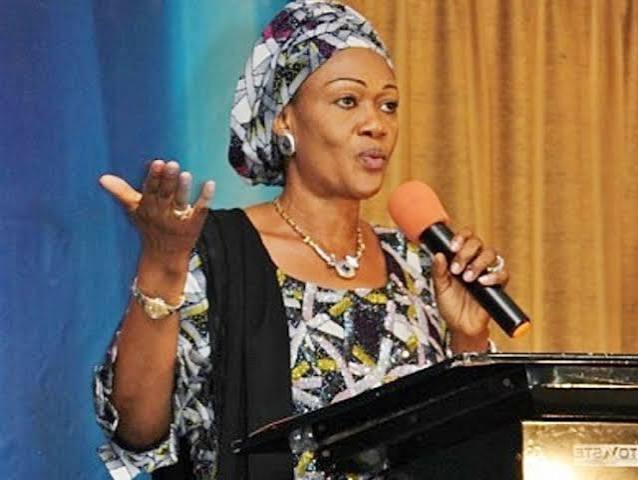
Oluremi Tinubu Calls for Christian Unity as CAN Honours Obasanjo, Gowon, Others at 50th Anniversary
First Lady Oluremi Tinubu has called for greater unity among Christians in Nigeria, as the Christian Association of Nigeria (CAN) honours former Presidents Olusegun Obasanjo and Yakubu Gowon, alongside other distinguished Nigerians, during its 50th anniversary celebrations.
 News
News
City Boy Movement Welcomes Members’ Appointments to APC Campaign Council
The City Boy Movement has welcomed the appointment of several of its leaders and members to the APC Presidential Campaign Council ahead of the 2027 general elections, pledging support for the party’s campaign efforts.
Comments (0)
Leave a comment
All comments are moderated before publishing. Your email is never published.