
Researchers Warn Nigerian Indigenous Sign Languages Face Extinction
Researchers have warned that indigenous sign languages in Nigeria, including Hausa and Tiv signing systems, risk disappearing due to inadequate documentation, limited funding and the growing dominance of formal sign language education. They are calling for greater recognition and preservation of these languages as part of the country's cultural heritage.
Researchers and Deaf community advocates have raised concerns over the possible extinction of indigenous sign languages in Nigeria, urging deliberate efforts to document, develop and preserve the communication systems.
The warning comes amid the growing use of formal Nigerian Sign Language, which researchers say is gradually displacing traditional signing systems developed and used by Deaf communities long before the introduction of formal sign language education in the country.
One of the indigenous systems is Hausa sign language, widely used among Deaf people across northern Nigeria. Other communities, including the Tiv people of Benue State, also have distinct signing traditions.
Festus Zenda, a researcher who has worked with local Deaf communities on language documentation projects, said indigenous signing systems needed urgent attention to prevent their disappearance.
He explained that changes in education, migration, technology and the increasing adoption of Nigerian Sign Language could weaken traditional forms of communication if they were not properly documented and preserved.
Nigeria has approximately 500 spoken languages, alongside an unknown number of indigenous sign languages, some of which are used by relatively small communities.
In Zuba, a community on the outskirts of Abuja, Deaf residents continue to communicate using Hausa sign language, demonstrating how indigenous systems remain relevant outside formal educational institutions.
Sanni Lawal, a Deaf resident who operates a laundry business in the community, said he valued his indigenous language and wanted it to gain wider recognition.
He described the signing system as an important part of his cultural identity and expressed the desire to see it developed and used beyond its immediate community.
Nigeria's formal sign language education dates back to 1960, when American educator Andrew Foster introduced structured deaf education across several African countries. Many countries in the region subsequently adopted sign languages based on American Sign Language.
However, some researchers argue that the growing emphasis on formally taught sign languages has contributed to the neglect of indigenous systems, particularly those used by Deaf people who have had little or no access to formal education.
Joshua Gyang, who has researched local languages alongside members of Nigeria's Deaf activist community, warned that indigenous signing traditions could disappear without sustained preservation efforts.
He recalled how members of Deaf communities traditionally gathered at night to communicate stories and folklore through indigenous signs, highlighting the cultural significance of the languages beyond everyday communication.
Although indigenous sign languages receive some public attention, including the use of Hausa signers at political campaign events to reach Deaf voters, researchers say broader institutional support remains limited.
A previous initiative involving the United States Agency for International Development (USAID) and Gallaudet University provided training for Deaf educators in Nigeria, with discussions also focusing on the recognition of indigenous languages and their potential use as teaching languages in schools.
However, the programme was discontinued in 2025 following reductions in United States foreign aid spending.
Despite the setback, Nigerian researchers and activists, including Zenda, Umaru Zayyanu, Gyang and sign language interpreter Taiwo Ajayi, have continued efforts to document and promote indigenous signing systems.
Ajayi also noted that Nigerian Sign Language itself has local variations, with differences between signs taught in formal institutions and those commonly used in everyday interactions.
For Zayyanu, a 37-year-old Hausa sign language user, preserving the indigenous system is essential to maintaining the identity and cultural heritage of Deaf Nigerians.
He argued that Deaf communities had developed their own means of communication long before formal sign language education was introduced, stressing the need to develop rather than abandon those traditions.
Researchers maintain that greater recognition, funding and systematic documentation are necessary to protect Nigeria's indigenous sign languages from gradual disappearance.
Sponsored

Related stories
 News
Farage Vows to Scrap UK Graduate Visa Route Used by Over 20,000 Nigerians
Reform UK leader Nigel Farage has pledged to abolish the United Kingdom’s Graduate visa route if his party wins power, a proposal that could affect thousands of Nigerian graduates. Home Office figures show that 20,478 Nigerians received grants under the scheme in the year ending September 2026.
 News
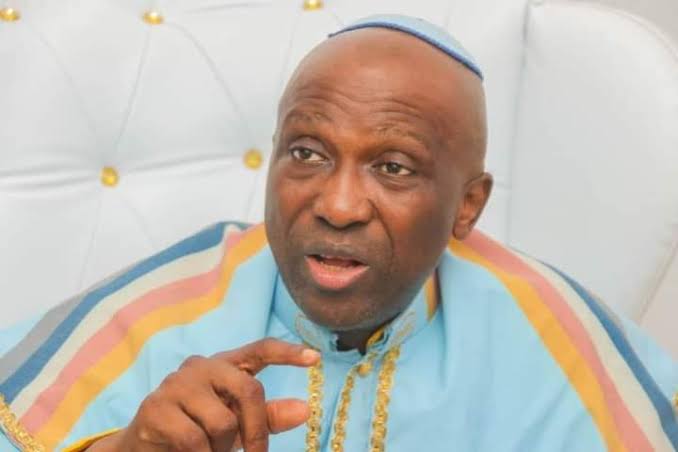
Primate Ayodele Warns of Possible Crisis, Cancellation of 2027 Elections
Leader of INRI Evangelical Spiritual Church, Primate Elijah Ayodele, has warned of possible political violence and widespread tension during the 2027 general elections, saying the polls could be cancelled or postponed if the situation is not properly managed. He urged INEC and security agencies to strengthen preparations against electoral violence.
 News
Court Reserves Judgment in Alleged N3.1bn Fraud Case Against Suswam
The Federal High Court in Abuja has reserved judgment in the alleged N3.1 billion money laundering case involving former Benue State Governor Gabriel Suswam and his former Finance Commissioner, Omodachi Okolobia, following the adoption of final written addresses by their lawyers and the EFCC.
 News
Olofu Urges Benue South Voters to Participate in INEC Mock Accreditation Exercise
Benue South senatorial aspirant, David Olofu, has urged eligible voters in the district to participate in the Independent National Electoral Commission’s mock accreditation exercise scheduled for November 28, 2026, describing it as an opportunity to test electoral technology ahead of the 2027 general elections.
Comments (0)
Leave a comment
All comments are moderated before publishing. Your email is never published.