
Reps Seek Regulatory Framework for Electric Vehicle, CNG Imports
The House of Representatives has urged the Federal Government to establish a transparent licensing framework for electric vehicle and compressed natural gas imports, linking fiscal incentives to local investment, technical training and supporting infrastructure.
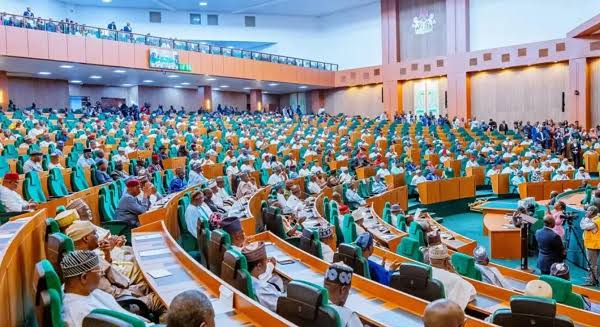
The House of Representatives has called for a regulatory framework governing the commercial importation of electric vehicles (EVs), compressed natural gas (CNG)-powered vehicles and related equipment to ensure that government incentives deliver measurable benefits to Nigeria’s automotive industry.
The proposal followed a motion moved by Ademorin Kuye, Chairman of the House Committee on Public Assets, during plenary on Tuesday.
Kuye said companies importing clean-energy vehicles should demonstrate their capacity to provide adequate maintenance services, genuine spare parts, technical expertise and after-sales support rather than relying solely on import duty concessions and other fiscal incentives.
He noted that Nigeria had adopted policies promoting electric vehicles, CNG-powered vehicles, liquefied petroleum gas vehicles and other alternative transportation technologies as part of its energy transition and economic diversification efforts.
The lawmaker argued that linking import incentives to verifiable local investments could encourage technology transfer, create employment opportunities and increase domestic value addition.
The House urged the Federal Government to establish a transparent licensing and approval system for companies seeking to import the vehicles and associated clean-mobility equipment.
It also called on the National Automotive Design and Development Council (NADDC), working with the Bureau of Public Procurement, the Standards Organisation of Nigeria and the Nigeria Customs Service, among other relevant agencies, to develop objective eligibility requirements for importers.
Under the proposed framework, companies would be expected to establish certified service and maintenance centres in Nigeria, maintain adequate stocks of genuine spare parts, provide warranty coverage and employ or train qualified Nigerian technicians.
Importers would also be assessed on their investments in electric vehicle charging stations or CNG refuelling facilities, compliance with safety and environmental standards, and provision of consumer protection and after-sales service plans.
The proposal further recommends that the NADDC maintain a public register of approved importers and infrastructure providers to improve transparency and strengthen consumer confidence.
The lawmakers stressed that the approval process should remain competitive and non-discriminatory, allowing all companies that meet the prescribed requirements to participate without undue preference.
The House also called for tax incentives, import duty concessions and other fiscal benefits to be aligned with compliance with the proposed regulatory requirements.
The initiative comes as Nigeria expands efforts to reduce dependence on petrol and diesel in the transport sector by encouraging the adoption of alternative-fuel vehicles.
However, the transition requires adequate charging and refuelling infrastructure, trained technicians, reliable spare-parts supply chains and effective safety oversight. Electric vehicles depend on accessible charging facilities and specialised maintenance, while CNG-powered vehicles require appropriate refuelling infrastructure and strict adherence to gas-system safety standards.
The proposed framework seeks to ensure that the growth of clean mobility is supported by local technical capacity and consumer safeguards, while encouraging investments that can strengthen Nigeria’s automotive sector.
Sponsored

Related stories
 News
Only 14 Nigerian States Pay Pensions Regularly — PenCom Discloses
PenCom says only 14 of Nigeria’s 36 states meet regular pension payment obligations, raising concerns over retirees’ welfare and outstanding benefits.
 News
Nigeria’s Inflation Rate Drops to 14.06% in October — NBS
Nigeria’s headline inflation eased to 14.06 per cent in October from 14.63 per cent in September, as food inflation also declined.
 News
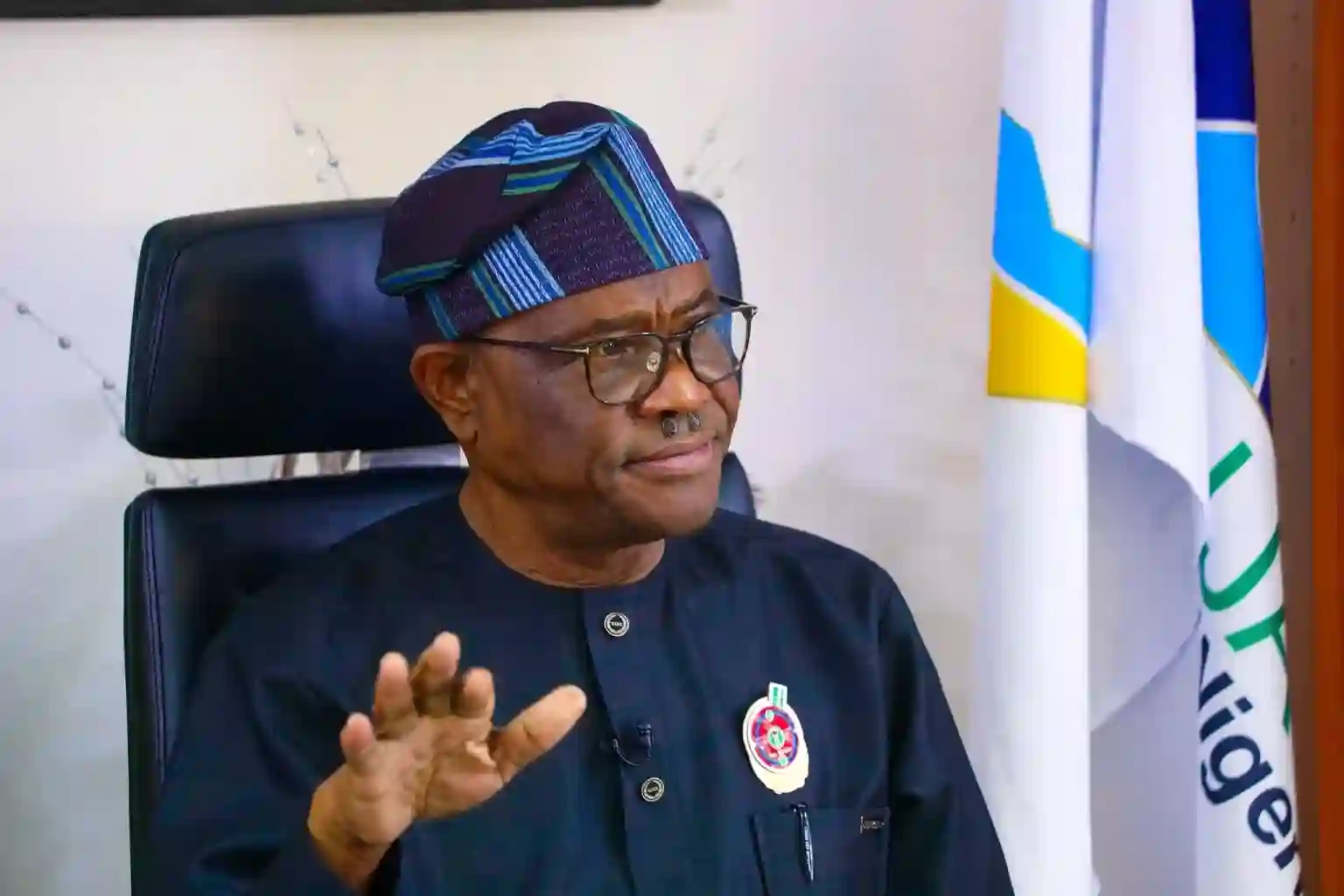
UniAbuja Land Reduction Approved by Wike’s Predecessor — FCTA
FCTA says former minister Mohammed Bello approved the recommendation to reduce UniAbuja’s land, insisting Wike implemented an earlier decision.
 News
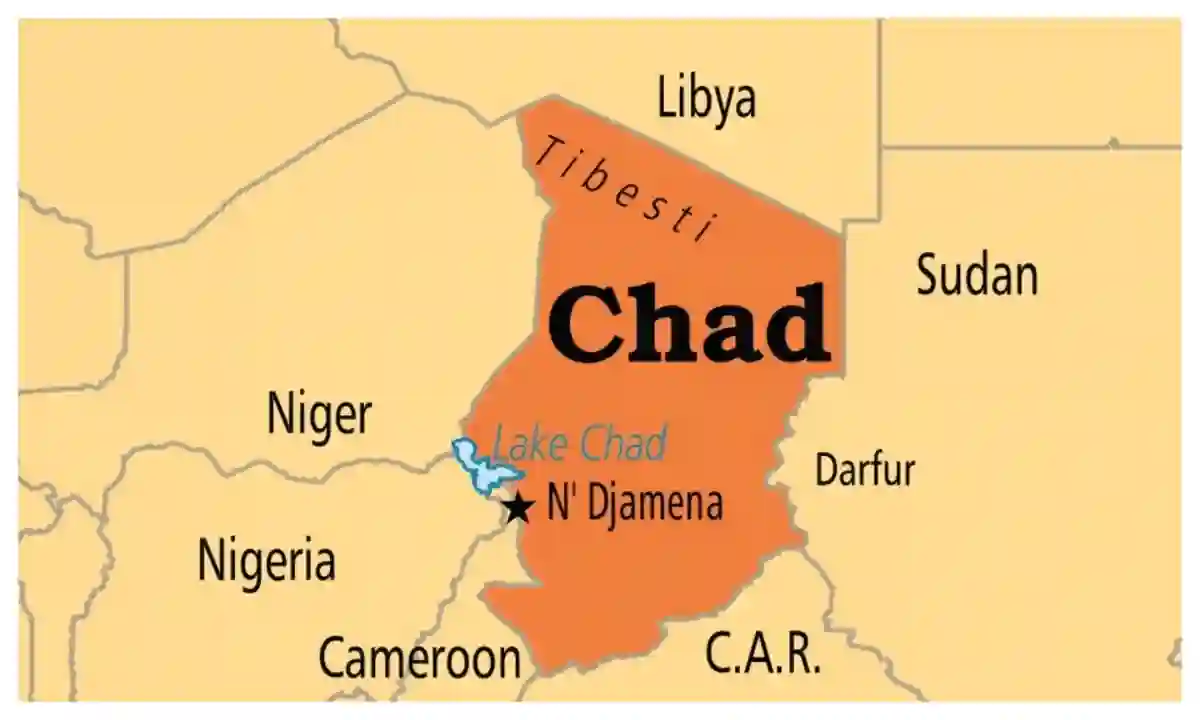
Two Killed, 30 Inmates Escape in Chad Prison Break
Two people have been killed and three seriously injured after 30 inmates escaped from a prison in Mongo, central Chad, amid widespread destruction.
Comments (0)
Leave a comment
All comments are moderated before publishing. Your email is never published.