
Reps Hail Unanimous Approval of State Police by 36 Assemblies
Lawmakers welcome unanimous backing for state police, as all 36 state assemblies approve the constitutional amendment, paving the way for presidential assent.
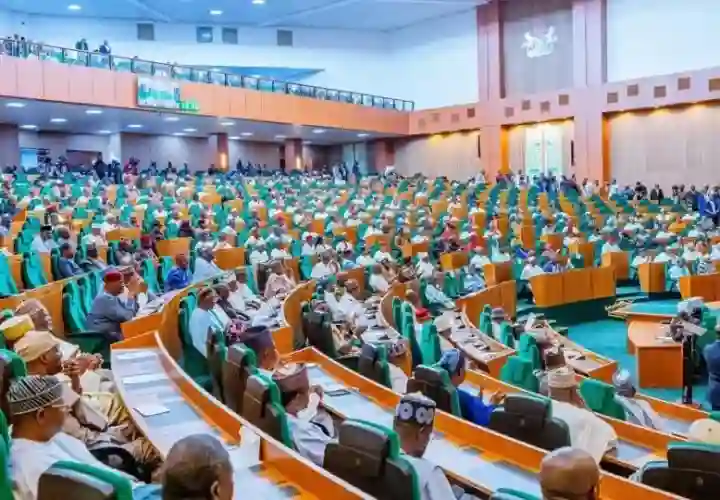
The House of Representatives has welcomed the unanimous approval of the proposed State Police Bill by all 36 State Houses of Assembly, describing the development as a significant milestone in Nigeria’s efforts to reform its security architecture.
The endorsement gives the proposed constitutional amendment 100 per cent support from state legislatures, exceeding the minimum requirement of 24 states stipulated under Section 9(2) of the 1999 Constitution.
The Clerk to the National Assembly, Kamoru Ogunlana, announced the development on Monday, November 16, confirming that his office had received and verified the resolutions submitted by all 36 assemblies.
The bill, titled the Constitution of the Federal Republic of Nigeria, 1999 (Sixth Alteration) Bill, 2026, seeks to amend the Constitution to establish State Police Services alongside the proposed Federal Police Service.
Deputy Speaker of the House of Representatives, Benjamin Kalu, had earlier described the endorsement by 29 state assemblies as a major step towards decentralising policing in Nigeria.
The latest unanimous approval follows weeks of legislative consideration and consultations across the states. The National Assembly had initially received approval from 28 assemblies before the remaining states completed their consideration of the proposal.
Ogunlana said the bill had already satisfied the constitutional and administrative requirements for transmission, but the leadership of the National Assembly allowed additional time to encourage broader national consensus and engagement with all states.
He described the unanimous endorsement as an unprecedented demonstration of cooperation between the National Assembly and state legislatures, as well as collaboration between federal and state governments.
Following the completion of the verification process, the Clerk confirmed that the bill was ready for transmission to President Bola Tinubu for assent.
Under the proposed framework, states would be empowered to establish and operate their own police services, while the federal government would retain a national policing structure. The proposal also provides for safeguards, including independent state police service commissions and national minimum standards, to promote accountability and prevent political interference.
The approval marks a major step in the constitutional amendment process, but it does not mean state police operations can begin immediately. Further legal and administrative arrangements will be required to establish the services and determine their operational framework.
The development has renewed expectations that decentralised policing could improve local intelligence gathering, strengthen community security and enable faster responses to threats across the country.
Sponsored

Related stories
 News
Delta Governor Backs CAN Prayer Retreat Centre Project
Delta State Governor Sheriff Oborevwori has pledged government support for the proposed Christian Association of Nigeria (CAN) Prayer Retreat Centre, promising to work with the Christian community to secure suitable land for the project.
 News
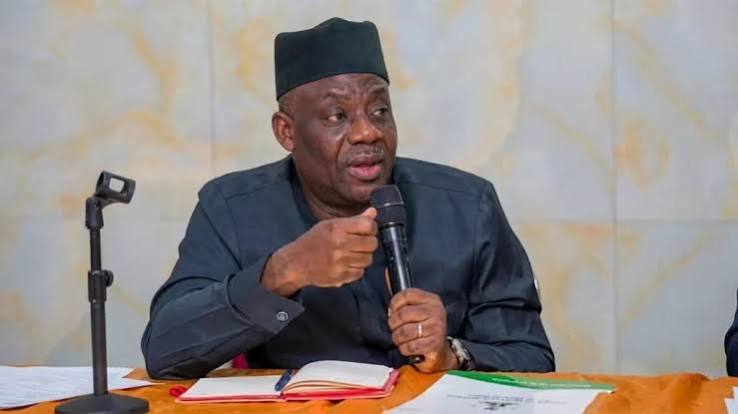
Nigeria Cannot Afford to Ignore Technology in Education, Says Minister
Minister of Education, Tunji Alausa, has urged Nigeria to embrace technology in education, warning that the country cannot continue relying on manual teaching and learning methods amid widespread learning difficulties and inadequate access to qualified teachers.
 News
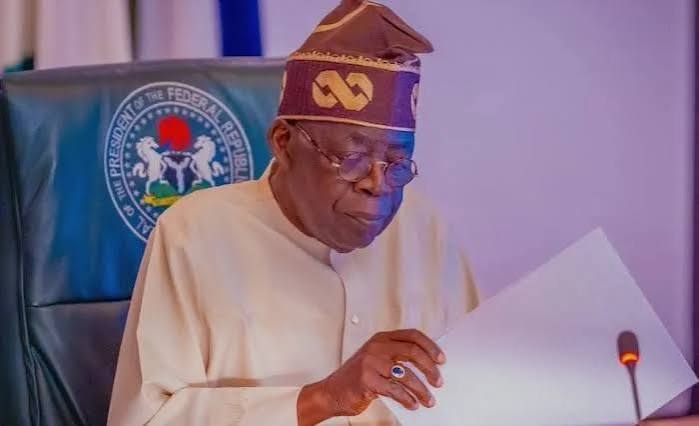
Tinubu Approves Take-Off of Kebbi Inland Dry Port
President Bola Tinubu has approved the establishment of an inland dry port in Kebbi State to strengthen trade, improve cargo handling and stimulate economic activities across the North-West region.
 News
NDC Urges Opposition Parties, Nigerians to Scrutinise INEC Voter Register
The Nigeria Democratic Congress (NDC) has urged opposition parties, civil society organisations and Nigerians to scrutinise the Independent National Electoral Commission's preliminary voter register ahead of the 2027 general elections, citing unexplained increases in registered voters in parts of the country.
Comments (0)
Leave a comment
All comments are moderated before publishing. Your email is never published.