
Reps Committee Urges INEC to Audit, Disqualify Affected 2027 Candidates
The House Committee on Electoral Matters has urged INEC to audit 2027 candidates against party membership registers and disqualify those found to have breached relevant provisions of the Electoral Act.
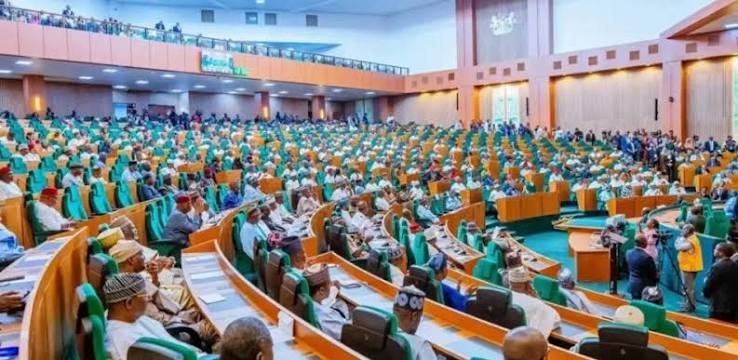
The House of Representatives Committee on Electoral Matters has urged the Independent National Electoral Commission (INEC) to audit candidates submitted by political parties for the 2027 general elections and disqualify those whose names are not contained in the parties’ membership registers.
The committee made the demand in a letter to INEC dated September 30 and signed by its Chairman, Mr Bayo Balogun, drawing the commission’s attention to Sections 77(4) to (6) of the Electoral Act, 2026.
The lawmakers said the request followed the Supreme Court’s recent judgment on the validity and constitutionality of Section 77(5), which deals with membership registers and eligibility to participate in party primaries, congresses and conventions.
Section 77(5) provides that only members whose names are contained in a political party’s register are eligible to vote or be voted for at the party’s primaries, congresses and conventions.
Balogun recalled that INEC had earlier expressed reservations about enforcing the provision because of pending judicial proceedings challenging its interpretation and constitutionality.
He said the Supreme Court’s judgment had now changed the legal position and removed the uncertainty that previously surrounded implementation of the relevant provisions.
The committee therefore urged INEC to proceed without delay with the enforcement of Sections 77(4) to (6) in monitoring political parties and their electoral activities.
It specifically asked the commission to audit the candidates submitted by all registered political parties for the 2027 elections and compare their names with the membership registers previously submitted to INEC.
According to the committee, the exercise should establish whether the candidates complied with the requirements of Section 77(5).
It described the proposed audit as a test of INEC’s enforcement of the Electoral Act, saying any political party or candidate found to have violated the relevant provisions should face disqualification.
The committee also said diligent enforcement would help prevent disputes and reduce the volume of litigation that could arise from alleged non-compliance with the electoral law.
The Supreme Court had on September 24 restored disputed provisions of the Electoral Act 2026 relating to party membership registers and candidate nominations after setting aside a Court of Appeal judgment that had declared the provisions unconstitutional.
The ruling has generated debate over its implications for candidates ahead of the 2027 elections, with some political parties and candidates maintaining that the judgment does not automatically invalidate their candidacies.
INEC is expected to consider the implications of the Supreme Court judgment and the committee’s request as preparations for the 2027 general elections continue.
Sponsored

Related stories
 Politics
2027: Atiku, Makinde Near Alliance Deal Against Tinubu
Representatives of Atiku Abubakar and Seyi Makinde reportedly held meetings towards a possible opposition alliance ahead of Nigeria’s 2027 presidential election.
 Politics
2027: Diri Urges Bayelsa APC to Deny Opposition 25% of Votes
Bayelsa Governor Douye Diri has challenged APC members to intensify grassroots mobilisation and prevent opposition candidates from securing 25 per cent of votes in 2027.
 Politics
Tinubu’s Economic Reforms Need Continuity Beyond 2027 — Jigawa Gov
Jigawa Governor Umar Namadi says Tinubu’s economic reforms require continuity beyond 2027, urging Nigerians to support the President’s policies.
 Politics
I Can Never Insult Obi, Says Tanko After SDP Defection
Former Obidient Movement coordinator Yunusa Tanko says he remains grateful to Peter Obi, insisting their political separation was peaceful and respectful.
Comments (0)
Leave a comment
All comments are moderated before publishing. Your email is never published.