
Refiners, Depot Owners Face Pressure to Reduce Fuel Prices in Nigeria
Pressure mounts on refiners and depot owners to cut petrol prices as crude prices decline and consumers seek relief.
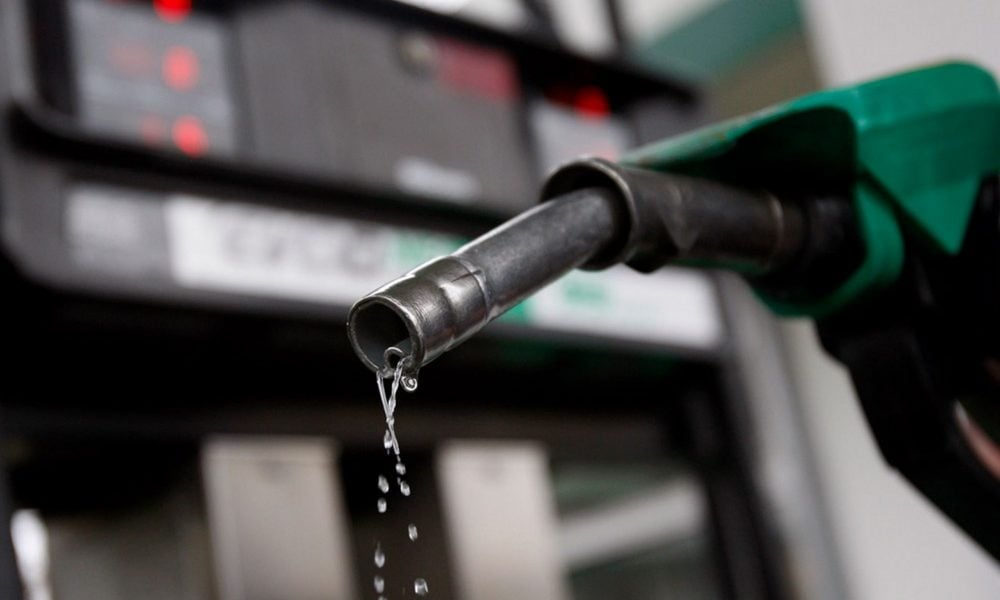
Nigerian refiners, depot owners and petroleum marketers are facing renewed pressure to reduce the prices of Premium Motor Spirit, commonly known as petrol, as stakeholders push for lower costs across the downstream oil sector.
The pressure comes amid continuing concerns over high petrol prices and the impact of fuel costs on households, transport operators and businesses. Industry stakeholders have argued that changes in international crude oil prices should eventually be reflected in domestic petrol prices.
The Petroleum Products Retail Outlets Owners Association of Nigeria has called on refiners, depot owners and importers to review their prices downward whenever global crude prices fall, arguing that consumers should benefit from improved market conditions.
However, the transmission of lower international prices to Nigerian filling stations has often been gradual. Concerns have also been raised over the slow reduction in domestic petrol prices following declines in global crude prices, with consumers yet to fully benefit from easing international market conditions.
The development comes as Dangote Petroleum Refinery continues to play a major role in determining wholesale petrol prices in Nigeria. The refinery recently increased its PMS gantry price from N1,185 to N1,200 per litre, following another increase from N1,165 to N1,185 only days earlier.
The successive adjustments have placed additional pressure on marketers, with petrol prices reaching about N1,250 to N1,300 per litre in some locations.
Market conditions have also been complicated by competition between locally refined petrol and imported products. The level of imported petrol supply has continued to influence refinery production, distribution decisions and pricing across the downstream market.
Earlier in August, Dangote Refinery reduced its petrol ex-depot price by N50 per litre to N1,165, while some private depots also adjusted their prices downward. The reductions demonstrated how changes in refinery pricing could influence the wider downstream market.
Industry observers say sustained competition among refiners and suppliers could eventually encourage lower prices, particularly if crude oil costs, foreign exchange conditions and logistics expenses become more favourable.
For consumers, however, the immediate concern remains the price at filling stations, with high petrol costs continuing to affect transportation, food distribution, production and other economic activities.
The pressure on refiners and depot owners therefore reflects a broader demand for greater transparency and faster transmission of favourable international market conditions to Nigerian consumers, particularly as businesses and households continue to struggle with rising operating costs.
Sponsored

Related stories
 News
Cardoso Puts Nigerian Markets at Centre of Deeper Investment Ties With China
CBN Governor Olayemi Cardoso highlights Nigeria’s financial markets as a key channel for strengthening investment ties with China and attracting long-term capital.
 News
Cash Outside Nigerian Banks Rises to ₦4.92tn in September — CBN
Cash held outside Nigerian banks rose to ₦4.92 trillion in September, up ₦48.73 billion from August, according to CBN data.
 News
APC Scribe, Sowore Clash Over Aso Villa Campaign Inauguration Plan
APC National Secretary Ajibola Basiru dismisses Sowore’s request to use Aso Villa for his campaign inauguration, describing it as a political stunt.
 News
Oyo Assembly Approves ₦100bn Loan for Infrastructure Projects
Oyo lawmakers approve a ₦100 billion UBA loan for infrastructure projects, alongside a separate ₦300 billion refinancing arrangement.
Comments (0)
Leave a comment
All comments are moderated before publishing. Your email is never published.