
PTDF Seeks UK Intervention Over Rising Tuition, Visa Delays
The Petroleum Technology Development Fund wants Britain to address rising university costs and visa difficulties affecting Nigerian scholarship beneficiaries.
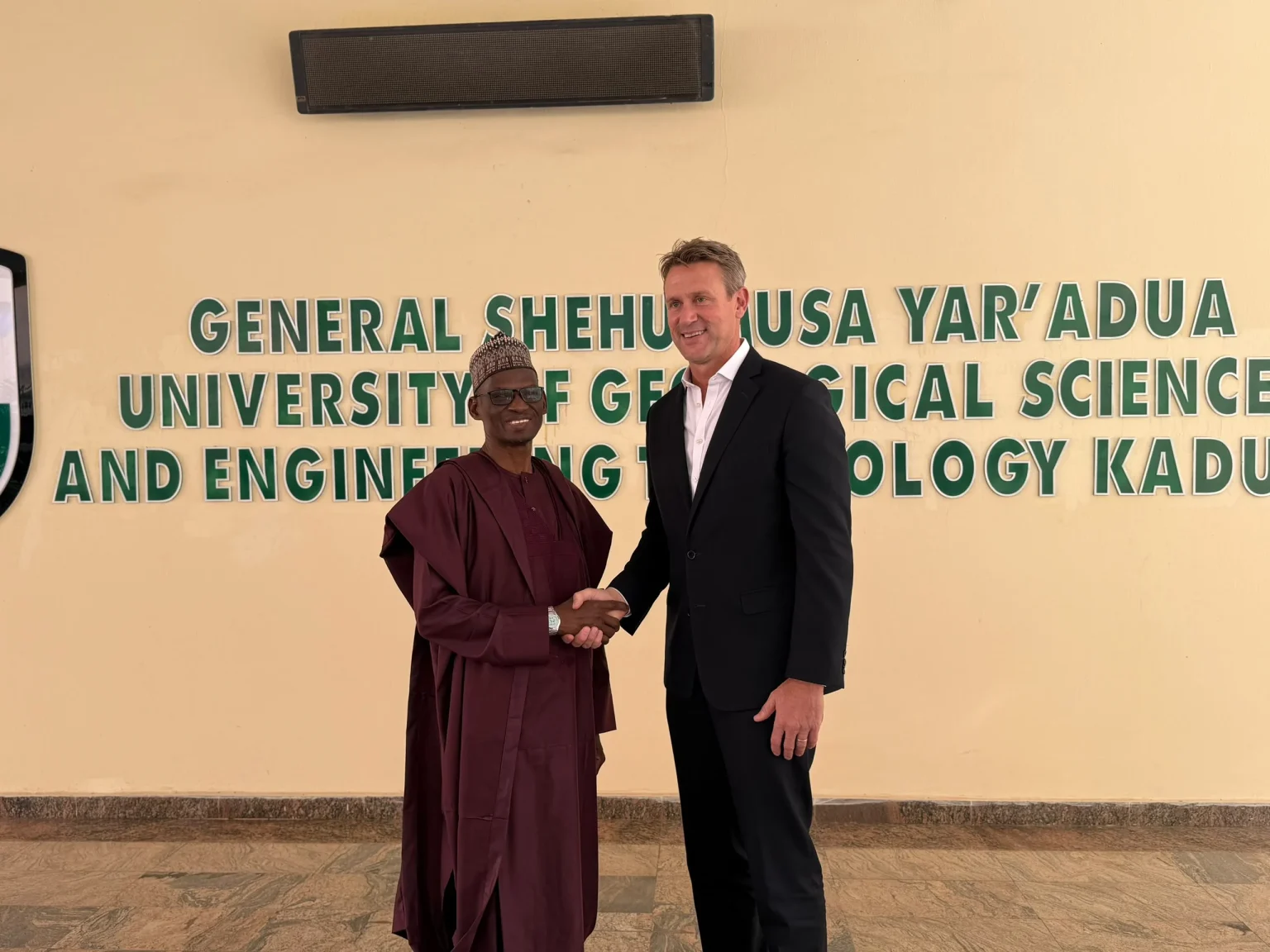
The Petroleum Technology Development Fund (PTDF) has appealed to the United Kingdom to address rising university tuition fees and visa-related challenges affecting Nigerian scholars pursuing higher education in British institutions.
The Executive Secretary of the fund, Professor Shu’aibu Shehu Aliyu, made the appeal on Tuesday during a bilateral meeting with the British High Commissioner to Nigeria, Peter Vowles, at the General Shehu Musa Yar’Adua University of Geological Sciences and Engineering Technology in Kaduna.
Aliyu said the increasing cost of studying in the UK and visa difficulties were creating challenges for the fund’s scholarship programmes and its efforts to develop skilled professionals for Nigeria’s energy sector.
He urged the British government to work with the PTDF and UK universities to establish a framework that would make educational partnerships more accessible and sustainable.
According to him, the fund has sponsored nearly 15,000 Nigerians through its Overseas Scholarship Scheme and In-Country Scholarship Scheme, supporting undergraduate and postgraduate education in Nigeria and abroad.
He noted that the United Kingdom remained an important academic partner because of its established education system and longstanding collaboration with Nigeria in developing engineers, geoscientists and other professionals.
However, Aliyu said the fund was exploring cost-effective arrangements with other countries, including Germany, France and Malaysia, to ensure that more Nigerians could benefit from its training programmes.
He also proposed stronger collaboration with British authorities and host universities to improve the monitoring and welfare of Nigerian scholars studying in the UK.
The PTDF is seeking to expand split-site doctoral programmes that allow scholars to complete part of their studies in Nigeria and the remainder at partner universities in Britain. The initiative is intended to reduce overseas education costs while strengthening local research capacity.
Responding, Vowles acknowledged the concerns over tuition fees and visa processing, assuring the fund that the issues would be communicated to relevant authorities in the United Kingdom.
He said the UK remained committed to its educational partnership with the PTDF and to helping talented Nigerian scholars access quality university education.
Vowles also noted that recognising the PTDF as a government-approved sponsor was expected to make visa processes smoother for eligible beneficiaries.
The meeting highlighted the importance of addressing financial and administrative barriers to international education while maintaining cooperation between Nigerian institutions and British universities.
The PTDF said stronger collaboration could help sustain scholarship opportunities, improve research capacity and support the development of skilled professionals for Nigeria and the wider African region.
Sponsored

Related stories
 News
Presidency Seeks Private Sector Funding for Proposed State Police
Femi Gbajabiamila has urged business groups to develop funding proposals for state police, stressing accountability, financial sustainability and safeguards against abuse.
 News
FG Unveils Free Digital Procurement Training for MSMEs
The Federal Government has launched free online procurement training to help Nigerian small businesses understand bidding procedures and access public contracts.
 News
Atiku Asks N’Assembly to Suspend Tinubu’s $20.52bn Loan Request
Former Vice-President Atiku Abubakar wants lawmakers to withhold approval until the government discloses project details, costs and repayment terms.
 News
Oyo Ranks Third in Ease of Doing Business in Nigeria — Makinde
Governor Seyi Makinde says Oyo State’s third-place ranking reflects reforms and infrastructure investments aimed at improving the business environment.
Comments (0)
Leave a comment
All comments are moderated before publishing. Your email is never published.