
Presidency Dismisses Claims Tinubu Borrowed ₦120 Trillion in Three Years
The Presidency has rejected claims that President Tinubu borrowed ₦120 trillion in three years, blaming the figures on exchange-rate changes and previously unrecorded liabilities.
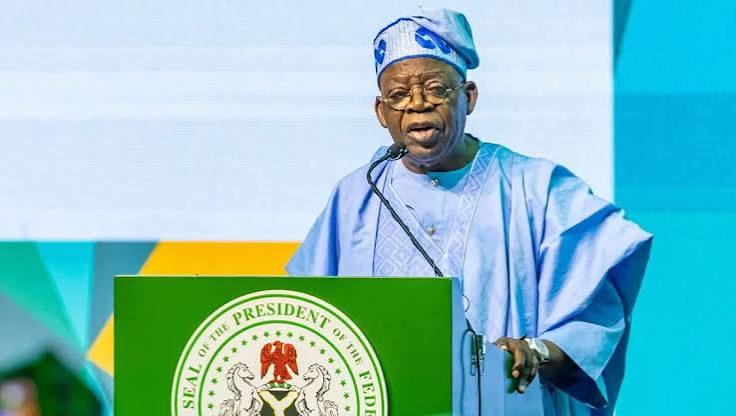
The Presidency has dismissed claims that President Bola Tinubu’s administration borrowed ₦120 trillion within three years, describing the figure as misleading and a misrepresentation of Nigeria’s public debt records.
Dada Olusegun, Special Assistant to the President on Social Media, challenged the claim in a statement posted on X on Sunday, November 8, 2026, attributing the circulating figures to what he described as opposition propaganda.
Olusegun argued that the comparison, which claims previous Nigerian leaders borrowed a combined ₦46 trillion over 63 years while Tinubu borrowed ₦120 trillion in three years, fails to account for important changes in how the country’s debt is calculated and reported.
He said Nigeria’s reported debt before Tinubu assumed office did not fully reflect approximately ₦22.7 trillion in Central Bank of Nigeria Ways and Means advances, which were formally recognised in the debt records in 2023.
The presidential aide also cited the depreciation of the naira, explaining that the weaker exchange rate increased the naira value of Nigeria’s existing foreign-currency debt without necessarily involving additional borrowing.
According to him, Nigeria’s public debt increased from $113.4 billion in June 2023 to approximately $120.9 billion by June 2026, representing a rise of $7.5 billion in dollar terms.
Data from the Debt Management Office show that Nigeria’s total public debt stood at approximately ₦87.38 trillion in June 2023 and rose to ₦166.79 trillion by June 2026. The figures cover the Federal Government, state governments and the Federal Capital Territory.
The Presidency also pointed to increased allocations to states and local governments following the removal of the petrol subsidy. Olusegun said monthly Federation Account Allocation Committee disbursements rose from ₦656 billion in April 2023 to ₦2.4 trillion in September 2026.
The dispute comes amid continued public debate over the government’s borrowing, spending and economic reforms. Tinubu’s administration has defended its fiscal policies, while critics have raised concerns about rising debt obligations and the cost of living.
Although the reported increase in public debt is substantial, the change in the total debt stock does not, by itself, establish the amount of new loans obtained during the period. A full assessment must account for fresh borrowing, repayments, refinancing, exchange-rate movements and previously incurred liabilities.
The central issue remains how much new debt the administration has actually incurred and whether public borrowing is delivering measurable benefits to Nigerians.
Sponsored

Related stories
 News
Oil Wells: Churches Deny Allegation Against Adeboye, Oyedepo, Kumuyi
The RCCG, Living Faith Church and Deeper Life have challenged allegations that Obasanjo allocated oil wells to their prominent leaders.
 News
Troops Rescue 119 Kidnap Victims, Recover Eight Vehicles in Borno
Nigerian troops have rescued 119 civilians, including women and children, after confronting terrorists who abducted travellers along a major road in Borno State.
 News
NDLEA Arrests Ugandan Woman Hiding 87 Wraps of Cocaine in Private Parts
The NDLEA arrested a 34-year-old Ugandan woman at Lagos airport after allegedly recovering 87 cocaine wraps weighing 1.15kg from beneath her underwear.
 News
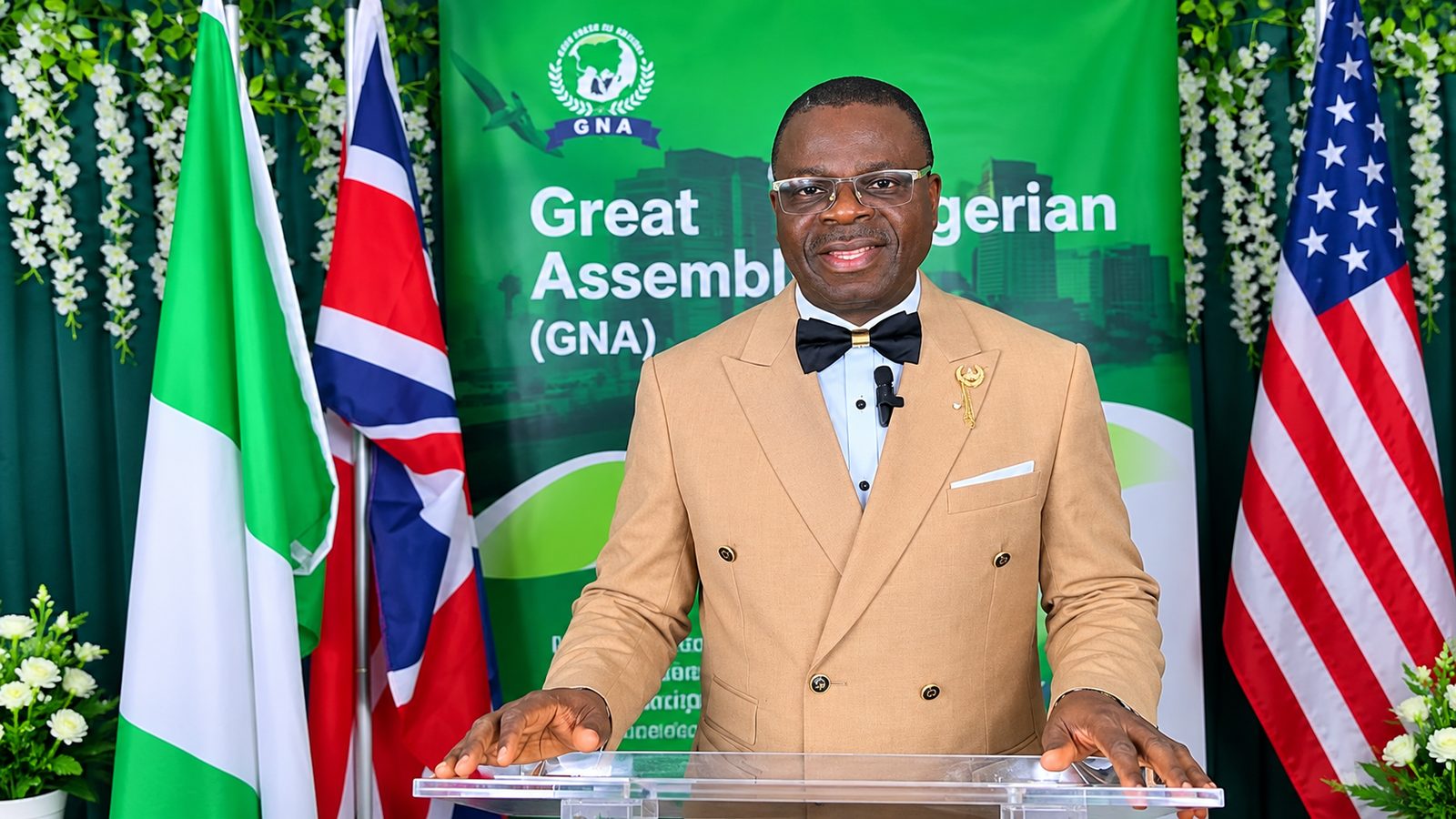
From Abuja to Every Ward: How the GNA CAA Governance Model Can Help the Federal Government Track Development and Reach Every Community
The GNA CAA Governance Model connects Abuja to every ward, empowering government with verified grassroots evidence to deliver accountable, inclusive national development.
Comments (0)
Leave a comment
All comments are moderated before publishing. Your email is never published.