
Petrol Hits ₦1,900/Litre as Depot Prices Surge Despite NNPC Cut
Petrol depot prices have climbed to ₦1,900 per litre in parts of Nigeria despite NNPC’s discount initiative aimed at easing fuel costs.
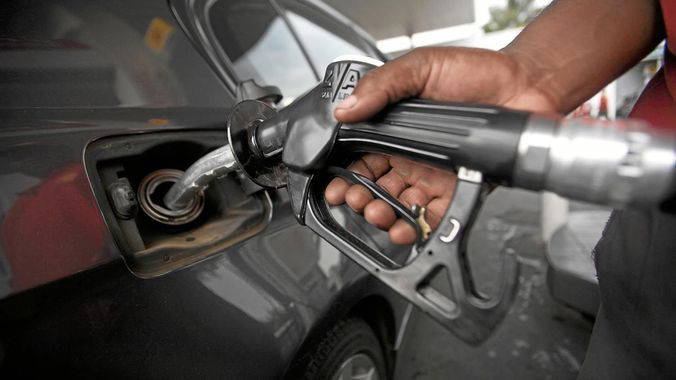
Petrol prices have surged across major Nigerian fuel depots, with some marketers in Port Harcourt raising their prices to ₦1,900 per litre despite the Nigerian National Petroleum Company Limited’s (NNPC) price reduction initiative.
NIPCO led the increases in Port Harcourt, raising its petrol price by ₦170 per litre from ₦1,730 to ₦1,900. Six other depots reportedly increased their prices by ₦150 per litre to the same level on Friday.
The increases were recorded across Lagos, Port Harcourt, Warri and Calabar, highlighting the pressure on domestic fuel prices amid rising international crude oil costs.
In Lagos, however, pump prices remained lower at some outlets. NNPC sold petrol at ₦1,360 per litre, while MRS sold at ₦1,338. Independent marketers charged between ₦1,368 and ₦1,400 per litre.
The price movements came as global crude oil benchmarks continued to rise. Brent crude climbed to $104.50 per barrel from $104.28, while the United States benchmark, West Texas Intermediate, increased to $91.73 from $91.49.
The development raises concerns that motorists could face further increases in pump prices if international oil prices remain elevated and supply disruptions continue.
The Federal Government recently announced additional measures to cushion the impact of rising fuel costs. NNPC also extended its ₦66-per-litre discount promotion until October 31, although access to the discount at its retail outlets has been tied to payments through its mobile application.
The Presidency said NNPC Retail had agreed to forgo its petrol retail profit margin for 30 days and sell at cost to provide temporary relief to Nigerians. The government has also proposed a ceiling of ₦1,350 per litre on petrol landing or ex-gantry costs, with refiners and importers expected to absorb temporary increases and recover the shortfall when market conditions improve.
Meanwhile, diesel prices also rose in Warri, where Rain Oil and Matrix reportedly increased their prices by ₦180 per litre to ₦1,900.
Higher petrol and diesel costs could increase transport fares, distribution expenses and operating costs for businesses, placing further pressure on household budgets and prices of goods and services.
Sponsored

Related stories
 News
FG Equips 7,000 Lagos TVET Graduates to Start Businesses
Federal Government begins distributing business starter kits to 7,000 Lagos TVET graduates to promote self-employment, entrepreneurship and job creation.
 News
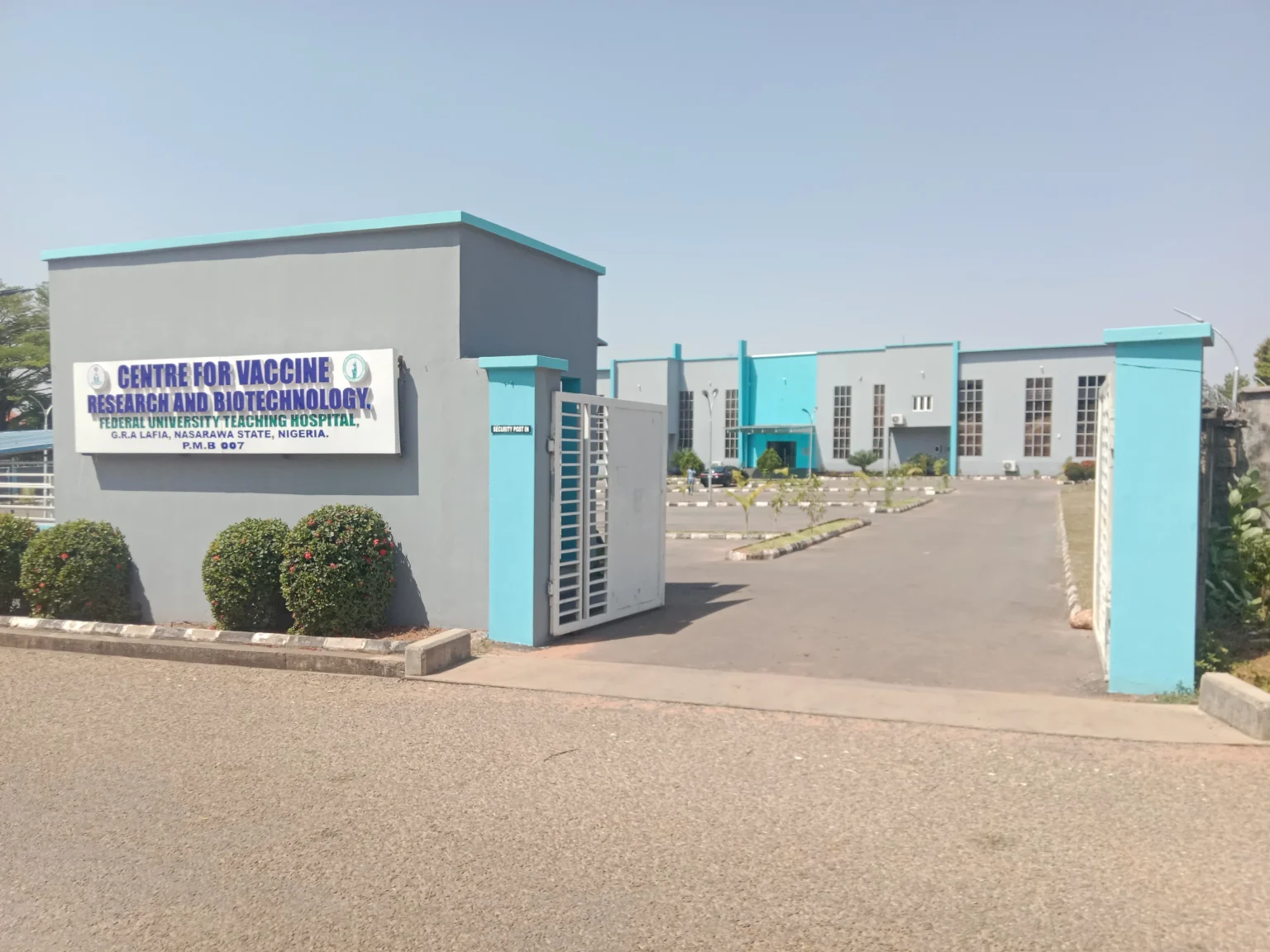
FG Backs Efforts to Develop Lassa Fever Vaccine in Nasarawa
Federal Government pledges support for Nasarawa researchers developing local Lassa fever vaccine candidates to strengthen Nigeria's disease prevention and research capacity.
 News
FG Backs Abuja Aviation School as Regional Training Hub
Federal Government backs Baze University's aviation school in Abuja, supporting efforts to develop skilled professionals and position Nigeria as West Africa's aviation training hub.
 News
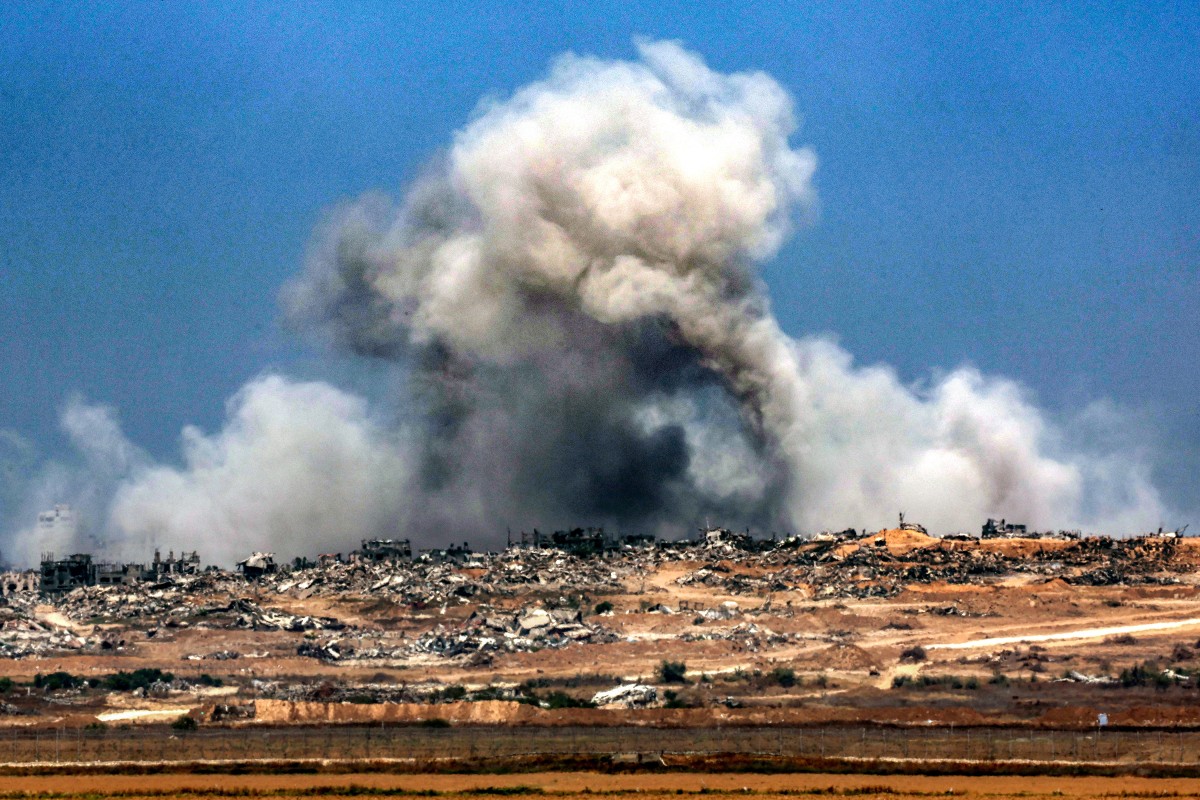
Six Killed in Israeli Strikes on Gaza Despite Ceasefire
At least six Palestinians have been killed in Israeli strikes across Gaza, raising fresh concerns over the fragile ceasefire between Israel and Hamas.
Comments (0)
Leave a comment
All comments are moderated before publishing. Your email is never published.