
Petrol Cheaper in Nigeria Than US, Some African Countries — Minister
Petroleum Minister Heineken Lokpobiri says Nigeria’s average petrol price remains below that of the US, Ghana, Cameroon and South Africa despite subsidy removal and deregulation.
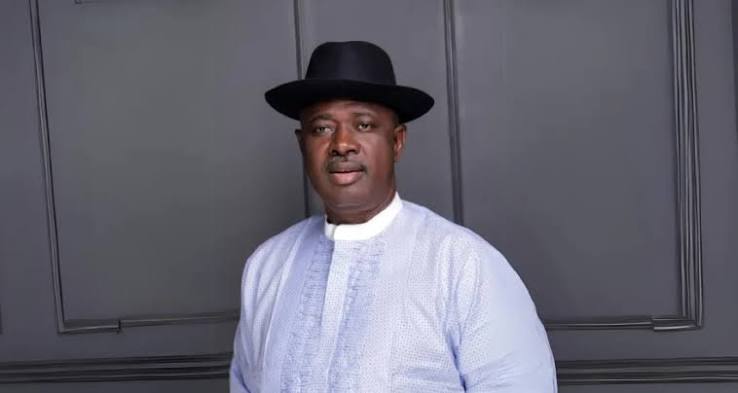
The Minister of State for Petroleum Resources (Oil), Heineken Lokpobiri, has said the average price of petrol in Nigeria remains lower than that of the United States and some African countries.
Lokpobiri made the statement on Channels Television’s Politics Today while defending the Federal Government’s deregulation of the downstream petroleum sector and the removal of petrol subsidy.
He said petrol currently averaged about ₦1,430 per litre in Nigeria, compared with approximately ₦1,633 in the United States, ₦1,959 in Cameroon, and ₦2,070 in both Ghana and South Africa.
The minister’s comments came as the Dangote Petroleum Refinery and other fuel marketers reduced depot prices following a decline in international crude oil prices.
Dangote Refinery reduced its petrol depot price from ₦1,350 to ₦1,325 per litre, while petrol was still selling for between ₦1,370 and ₦1,450 per litre in some locations.
Lokpobiri said being an oil-producing country did not automatically mean Nigeria would have the cheapest petrol, noting that global crude oil and energy markets influence prices.
He also argued that the presence of the Dangote Refinery did not necessarily guarantee lower pump prices, but said deregulation had created opportunities for private-sector investment in the petroleum industry.
According to him, continued government importation of petrol and sale below market prices would have made it difficult for private refineries to operate sustainably.
The minister said subsidy removal had also increased the resources available to the three tiers of government through the Federation Account Allocation Committee.
He said the government was now sharing about ₦2.1 trillion through the federation account, attributing the increased allocation to savings from subsidy removal.
Lokpobiri maintained that the government would not reverse the deregulation policy, saying it was designed to encourage investment in the midstream and downstream sectors.
He also pointed to the Dangote Refinery’s supply of aviation fuel and developments in the country’s foreign reserves as indications of changes in the oil and gas sector.
The minister further said the Central Bank of Nigeria had indicated that 85 per cent of the country’s foreign reserves came from the oil and gas sector.
Sponsored

Related stories
 News
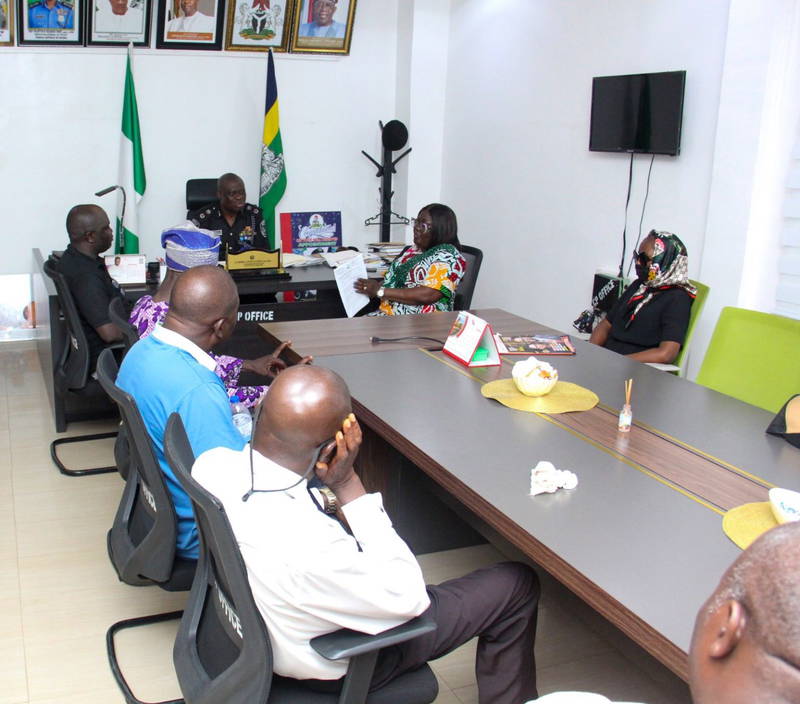
Oyo Police Summon Toluwanisings’ Wife, Father, Friends as Parties Sign Peace Deal
The Oyo State Police Command has intervened in the dispute over the late gospel singer’s burial arrangements, securing a peace undertaking from his family and associates.
 News
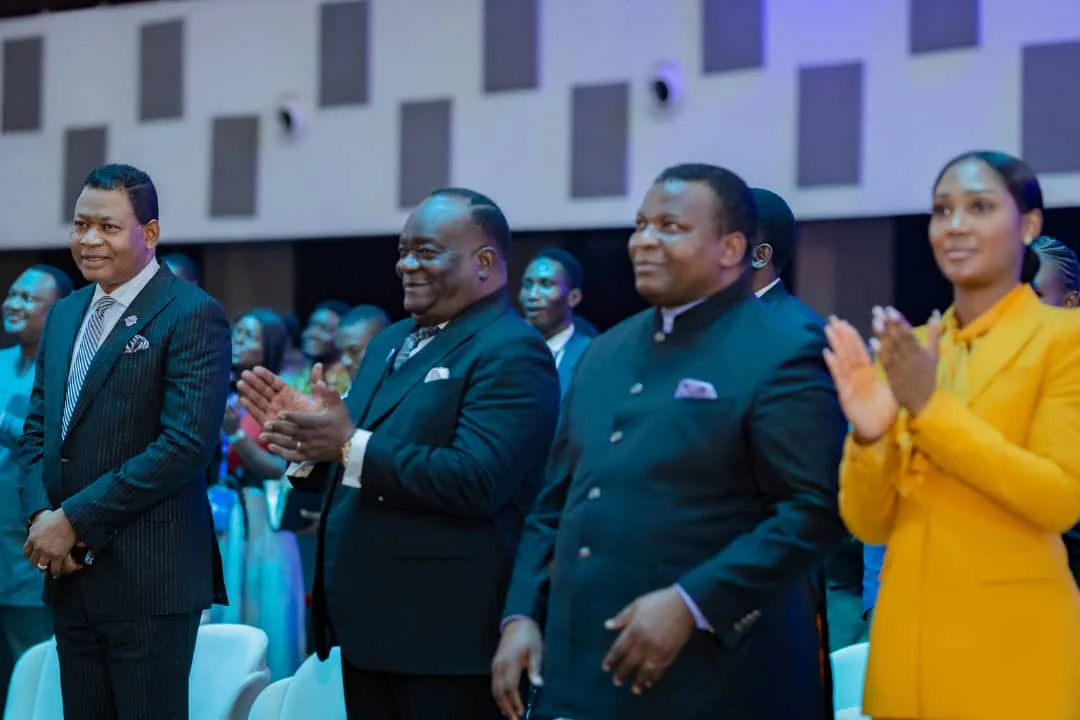
Faith-Based Group Secures $1m for African Businesses
Loveworld Kingdom attracted $1m for an investment initiative aimed at helping small and medium-sized businesses expand operations and access new markets.
 News
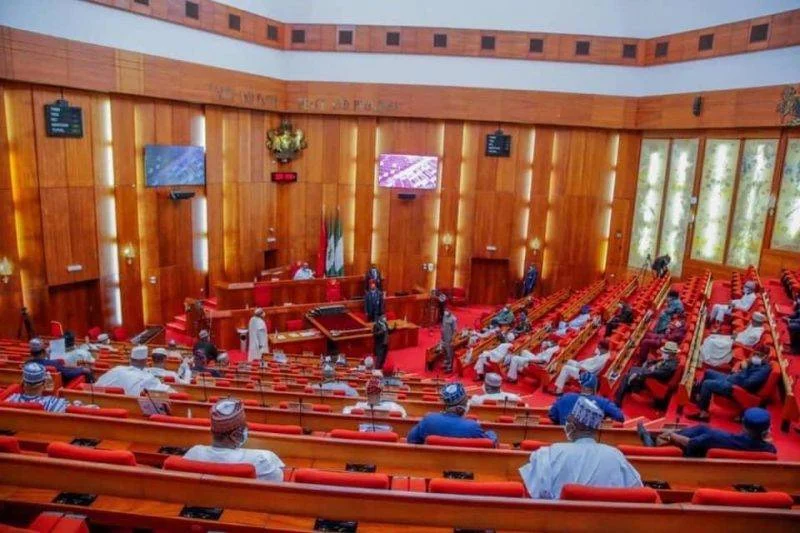
Senate Steps Down Barau’s Agricultural Revolution Bill
The Senate deferred consideration of the 2026 bill after lawmakers raised concerns about its drafting, broad scope and circulation of printed copies.
 News
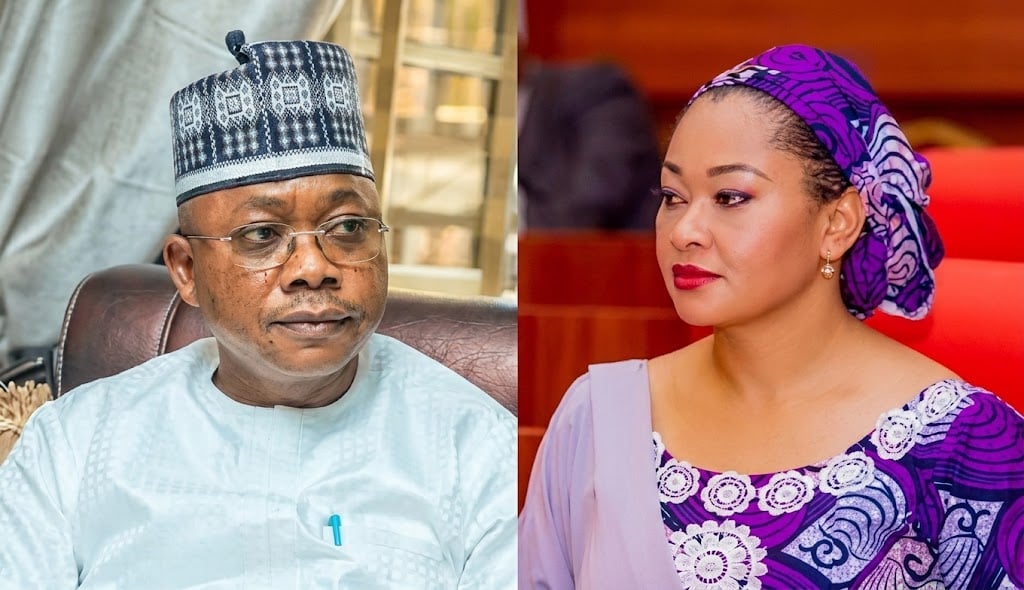
‘Paying Salaries Is Your Duty, Not an Achievement’ — Natasha Akpoti Tackles Kogi Governor
Senator Natasha Akpoti-Uduaghan has criticised Governor Ahmed Usman Ododo over Kogi’s development record, arguing that paying workers’ salaries is a basic government responsibility.
Comments (0)
Leave a comment
All comments are moderated before publishing. Your email is never published.