
PEBEC DG Describes Tinubu As Nigeria’s Greatest-Ever Leader
PEBEC Director-General Zahrah Audu has described President Bola Tinubu as Nigeria’s greatest-ever leader, citing his political experience, reforms and institution-building efforts.
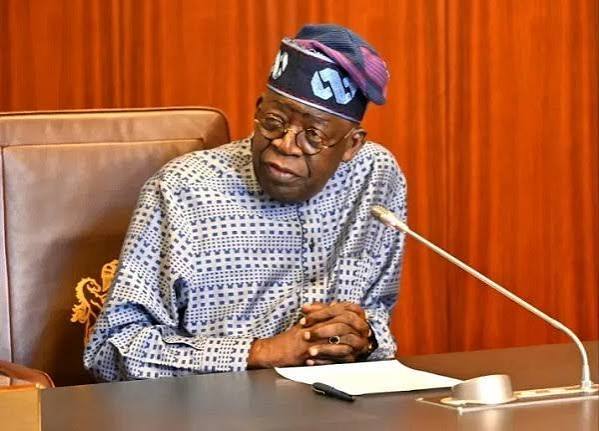
The Director-General of the Presidential Enabling Business Environment Council (PEBEC), Princess Zahrah Mustapha Audu, has described President Bola Tinubu as Nigeria’s greatest-ever leader.
Audu made the assessment in an article titled “President Bola Ahmed Tinubu Is Nigeria’s Greatest-Ever Leader,” in which she cited the President’s political career, institutional reforms and willingness to take difficult economic decisions.
She argued that leadership should be assessed not only by the immediate comfort or hardship associated with policies but also by the institutions created, difficult decisions taken and their potential long-term effects.
Audu traced Tinubu’s political career to his time as a senator during the Third Republic, his involvement in the pro-democracy struggle, period in exile and tenure as governor of Lagos State from 1999 to 2007.
She also highlighted his role in opposition politics after leaving office as governor, saying his political alliances and coalition-building contributed to the formation of the All Progressives Congress (APC) and the party’s victory in the 2015 presidential election.
According to her, Tinubu’s experience in Lagos shaped what she described as a philosophy of a “capable state”, requiring institutions that could mobilise revenue, formulate and implement policies, enforce rules and create conditions for private enterprise to thrive.
On the economy, Audu defended the removal of the petrol subsidy and other reforms undertaken by the administration.
She acknowledged that the reforms had imposed genuine hardship on Nigerians but argued that the immediate difficulties should be considered alongside the potential consequences of maintaining previous economic arrangements.
She said the administration had also pursued reforms aimed at improving the ease of doing business, citing areas such as company registration, permits, customs procedures, commercial courts and regulatory approvals.
Audu said reducing bureaucratic obstacles was important to lowering the cost of doing business and improving Nigeria’s economic competitiveness.
She linked the reforms to the administration’s ambition of building a $1 trillion economy by 2030, saying the target would require stronger institutions and an environment that encourages investment, productivity and enterprise.
The PEBEC DG also acknowledged that Tinubu’s work remained unfinished and said his administration should continue to face scrutiny.
She urged Nigerians to demand improved living conditions, social amenities and infrastructure while recognising what she described as the administration’s reform efforts.
Audu said the ultimate assessment of Tinubu’s presidency would depend on the long-term outcomes of the reforms, institutions and systems being developed.
She, however, maintained that Tinubu’s political career and role in Nigeria’s political and economic development had already made his place in the country’s history significant.
Sponsored

Related stories
 News
News
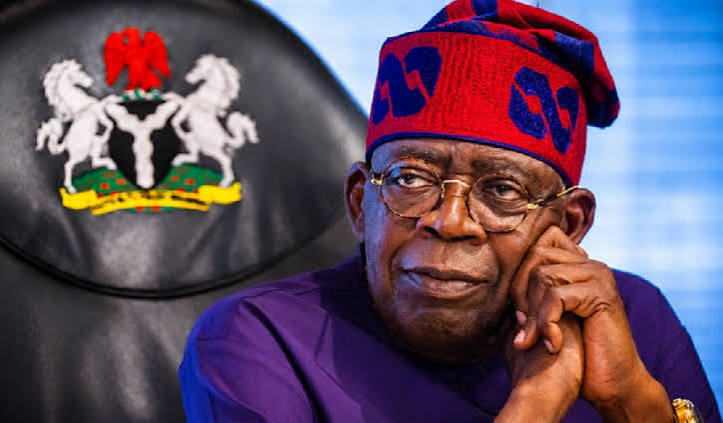
Tinubu Seeks Repeal of Indian Hemp Act in Drug Law Overhaul
President Bola Tinubu has asked the Senate to repeal the Indian Hemp Act as part of a proposed overhaul of Nigeria’s drug enforcement laws, aimed at consolidating the legal framework for combating illicit drugs.
 News
News
Tinubu Seeks Senate Approval to Replace ASCON with National School of Government
President Bola Tinubu has asked the Senate to repeal the law establishing the Administrative Staff College of Nigeria and create a National School of Government to strengthen leadership development and public sector capacity.
 News
News
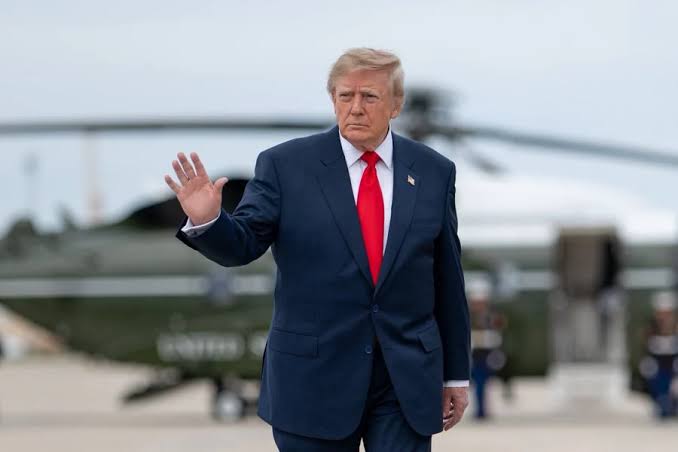
Trump Shares El Salvador Prison Video, Links Deportations to Falling US Crime
US President Donald Trump has shared a video of El Salvador’s maximum-security CECOT prison, defending his administration’s deportation policy and claiming that sending people accused of serious crimes there has contributed to record-low crime rates in the United States.
 News
News
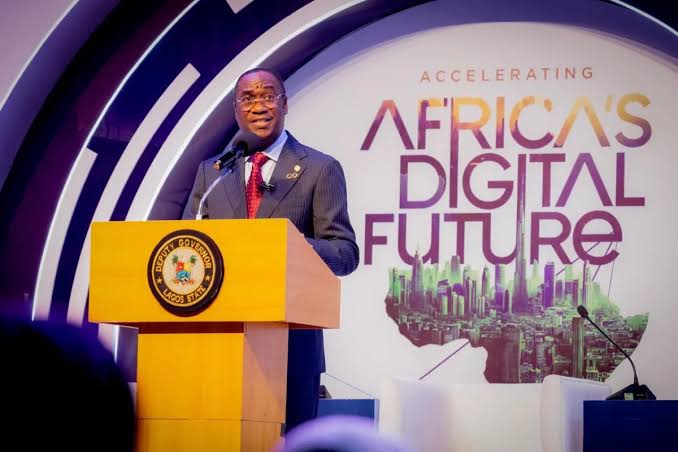
Hamzat Calls for More Investment in Africa’s Digital Infrastructure
Lagos State Deputy Governor Obafemi Hamzat has urged African governments and businesses to invest more in digital infrastructure, local innovation and technology development to help scale homegrown solutions and accelerate economic growth.
Comments (0)
Leave a comment
All comments are moderated before publishing. Your email is never published.