
Oil Marketers Cut Petrol Price to N1,350/Litre as Depot Rates Drop
Oil marketers have reduced petrol prices to N1,350 per litre following a decline in depot prices across Nigeria.
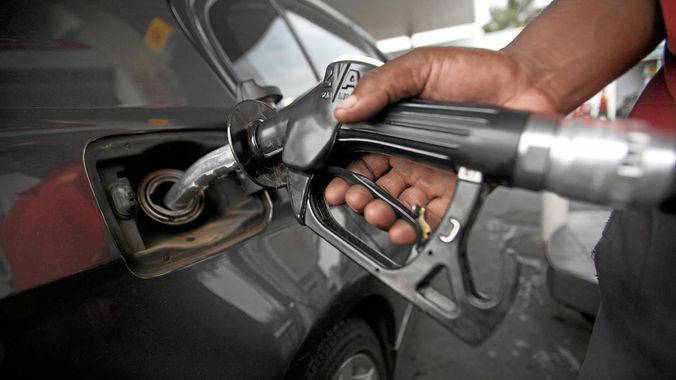
Oil marketers have begun reducing the pump price of Premium Motor Spirit, commonly known as petrol, to about N1,350 per litre following a decline in the cost of the commodity at petroleum depots.
The reduction comes amid increased competition among fuel suppliers and a drop in the ex-depot price of petrol, giving marketers room to adjust retail prices downward.
Some filling stations have reportedly started selling petrol at prices around N1,350 per litre, although the exact retail price varies depending on location, supplier and operating costs.
The development represents a reduction from the higher prices recorded in several parts of the country in recent weeks.
Industry operators said the movement in pump prices was largely influenced by changes in depot rates and supply conditions.
Depot prices play a significant role in determining the eventual retail price of petrol because independent marketers purchase products from depots before transporting them to filling stations across different parts of the country.
When the cost of acquiring petrol falls, marketers can reduce pump prices, particularly in areas where competition among filling stations is strong.
However, transportation expenses, storage costs, operating expenses and other charges can result in different pump prices between states and even between filling stations within the same city.
The latest reduction is expected to provide some relief to motorists and other petrol consumers, particularly as transportation costs remain closely linked to fuel prices.
Petrol prices have remained a major economic concern in Nigeria since the Federal Government removed the petrol subsidy in 2023, leading to significant changes in pump prices and transportation costs.
The government has maintained that allowing market forces to determine petrol prices would encourage private investment and reduce the fiscal burden associated with subsidising consumption.
The emergence of domestic refining capacity has also changed the structure of Nigeria’s downstream petroleum market, with local producers and importers competing to supply marketers.
Market participants are closely monitoring further changes in depot prices and supply levels to determine whether the latest reduction will be sustained.
Consumers, meanwhile, are expected to benefit if lower acquisition costs continue to translate into reduced pump prices across more filling stations.
Marketers have also urged consumers to compare prices among filling stations, as retail prices may differ depending on supply arrangements and location.
Sponsored

Related stories
 News
News
Tinubu Seeks Repeal of Indian Hemp Act in Drug Law Overhaul
President Bola Tinubu has asked the Senate to repeal the Indian Hemp Act as part of a proposed overhaul of Nigeria’s drug enforcement laws, aimed at consolidating the legal framework for combating illicit drugs.
 News
News
Tinubu Seeks Senate Approval to Replace ASCON with National School of Government
President Bola Tinubu has asked the Senate to repeal the law establishing the Administrative Staff College of Nigeria and create a National School of Government to strengthen leadership development and public sector capacity.
 News
News
Trump Shares El Salvador Prison Video, Links Deportations to Falling US Crime
US President Donald Trump has shared a video of El Salvador’s maximum-security CECOT prison, defending his administration’s deportation policy and claiming that sending people accused of serious crimes there has contributed to record-low crime rates in the United States.
 News
News
Hamzat Calls for More Investment in Africa’s Digital Infrastructure
Lagos State Deputy Governor Obafemi Hamzat has urged African governments and businesses to invest more in digital infrastructure, local innovation and technology development to help scale homegrown solutions and accelerate economic growth.
Comments (0)
Leave a comment
All comments are moderated before publishing. Your email is never published.