
Oil Firms Decry Lengthy Tender Processes Delaying Upstream Projects
Oil and gas operators have raised concerns over prolonged tendering and contract approval processes in Nigeria’s upstream sector, warning that delays are undermining President Bola Tinubu’s directive to conclude contracting cycles within six months and slowing investment.
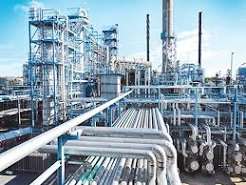
Oil and gas companies have expressed concern over persistent delays in tendering, contract awards and regulatory approvals in Nigeria’s upstream petroleum sector, despite government directives aimed at accelerating project execution and attracting fresh investment.
Industry operators and service providers say the lengthy contracting processes are delaying project implementation, increasing costs and weakening investor confidence at a time when Nigeria is seeking to raise crude oil and natural gas production.
The Presidential Executive Order on local content and petroleum contracting was introduced to reduce contracting timelines to six months, streamline approval procedures and improve the competitiveness of Nigeria’s oil and gas industry.
However, industry stakeholders say implementation has fallen short of expectations, with many contracts taking considerably longer than the prescribed period to conclude.
The Petroleum Technology Association of Nigeria (PETAN) has identified prolonged internal approvals, slow commercial negotiations, overlapping regulatory requirements and difficulties securing funding as major obstacles to timely project delivery.
The association’s chairman, Wole Ogunsanya, said delays in the contracting process were affecting projects expected to commence in 2026 and 2027, while postponing final investment decisions and the deployment of capital.
He warned that Nigeria risked losing investment to competing petroleum-producing countries if companies continued to face uncertainty over approval timelines and contract execution.
According to industry findings, although tendering activities increased from the fourth quarter of 2024, progress in expressions of interest, prequalification exercises and technical and commercial evaluations had not translated into contract awards at the expected pace.
The Nigerian Content Development and Monitoring Board (NCDMB), the Nigerian Upstream Petroleum Regulatory Commission (NUPRC) and other relevant agencies are expected to implement measures to simplify the process and eliminate unnecessary duplication.
However, operators have called for stronger oversight to ensure that the presidential directive produces measurable improvements in project delivery.
Industry stakeholders have also highlighted the financial consequences of prolonged contracting cycles, particularly for indigenous oilfield service companies that depend on timely contract awards and payments to sustain operations, acquire equipment and invest in workforce development.
Delays can also increase project costs and postpone production from oil and gas assets, affecting government revenue and efforts to expand domestic energy supplies.
The concerns come as the Federal Government continues to introduce reforms intended to attract investment, improve operating conditions and increase petroleum production. President Tinubu has repeatedly urged regulators to provide clearer processes and predictable timelines, while calling on operators to convert policy incentives into actual investments and higher output.
Industry experts have advocated the introduction of a centralised digital platform to track tendering and approval processes across relevant agencies. They have also recommended transparent reporting of contracting timelines and accountability measures for unjustified delays.
They argue that effective implementation, rather than the announcement of reforms alone, will determine whether Nigeria can accelerate project execution, strengthen local participation and attract the capital required to develop its petroleum resources.
Sponsored
Related stories
 News
Lagos-Calabar Highway to Be Completed in Three Years — Umahi
Works Minister David Umahi says the Federal Government plans to complete the 750-kilometre Lagos-Calabar Coastal Highway within the next three years.
 News
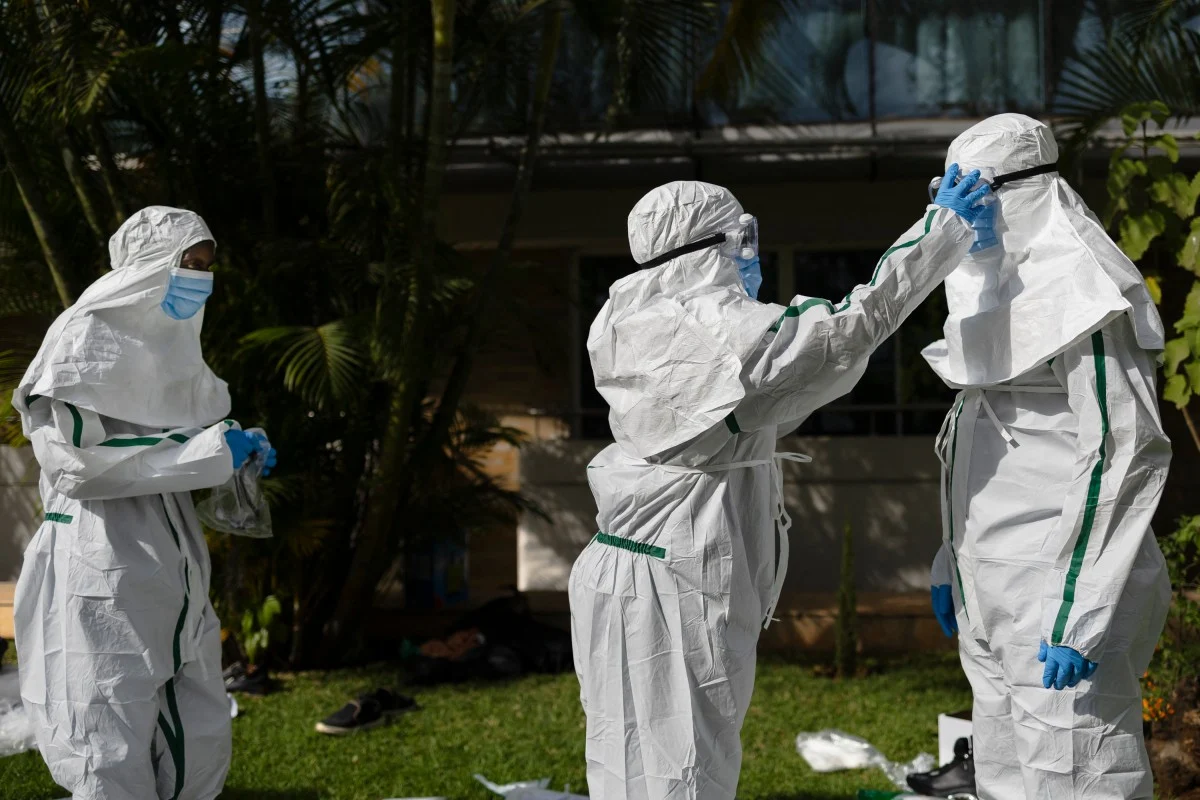
Ebola Patient in Nigeria Is Swiss Diplomat’s Wife — Report
Nigeria’s first confirmed Ebola patient in more than a decade is reportedly the Ugandan-born wife of a Swiss diplomat based in Abuja.
 News
States Receive 85% of Nigeria’s Resources, FG Gets Only 15% — Taiwo Oyedele
Taiwo Oyedele says Nigeria’s fiscal structure directs most federally collected revenue to states and local governments, challenging perceptions about resource distribution.
 News
‘N10bn Ebola Fund Untouched’ — APC Campaign Council Replies Atiku
The APC campaign council says the ₦10 billion approved for Ebola preparedness remains unspent, as Atiku Abubakar demands financial transparency.
Comments (0)
Leave a comment
All comments are moderated before publishing. Your email is never published.