
NSCIA Rejects Christian Genocide Claim, Demands Security Reforms
The Nigerian Supreme Council for Islamic Affairs has rejected claims of Christian genocide in Nigeria, saying insecurity affects Nigerians across religious lines and calling for comprehensive security reforms.
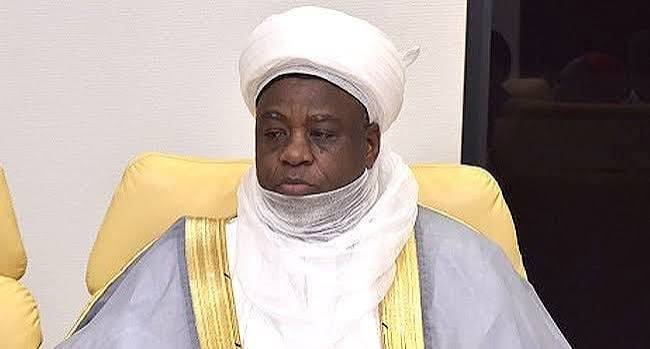
The Nigerian Supreme Council for Islamic Affairs NSCIA has rejected claims that Christians are being subjected to genocide in Nigeria, describing the country’s security crisis as a broader national problem affecting people across religious divides.
The council said the violence confronting the country was driven primarily by terrorism, banditry, criminality, ecological pressures and governance challenges rather than a systematic campaign against any particular religion.
The NSCIA made its position known in a communiqué issued after its General Assembly in Abuja and signed by its President-General, Sultan of Sokoto, Alhaji Muhammad Sa’ad Abubakar, and Secretary-General, Prof. Is-haq Oloyede.
It said attempts to portray the insecurity as a religious war risked deepening divisions between Muslims and Christians and diverting attention from the urgent need to address the country’s security challenges.
The council stressed that Muslims and Christians had both suffered deaths, displacement and destruction as a result of terrorism and other forms of criminal violence.
It called on the Federal Government to undertake comprehensive reforms of the country’s security architecture and supported the introduction of decentralised policing, provided it was backed by appropriate safeguards, professionalism and accountability.
The NSCIA also urged the government to strengthen coordination among security agencies and ensure that security operations were conducted in accordance with the law and respect for fundamental rights.
The council said addressing the root causes of insecurity, including poverty, unemployment, environmental degradation, illegal mining and organised crime, was essential to achieving lasting peace.
It further urged Nigerians to reject narratives capable of setting religious communities against one another, stressing the importance of national unity in confronting insecurity.
The NSCIA’s position comes amid continuing international and domestic debate over claims of religious persecution in Nigeria. In November 2025, the council similarly rejected the United States’ characterisation of Nigeria’s violence as Christian genocide, arguing that the killings were not primarily religiously motivated.
The council called for greater attention to the protection of all Nigerians, regardless of faith or ethnic background, and urged authorities to focus on strengthening the institutions responsible for protecting lives and property.
It also appealed for measures to reduce the economic pressures facing citizens, particularly the rising cost of food and transportation, which it said were compounding the effects of insecurity.
Sponsored

Related stories
 News
News
FG Seeks World Bank Guarantees for Infrastructure Financing
Nigeria’s Oyedele and Cardoso seek World Bank guarantees to attract private capital for infrastructure projects.
 News
News
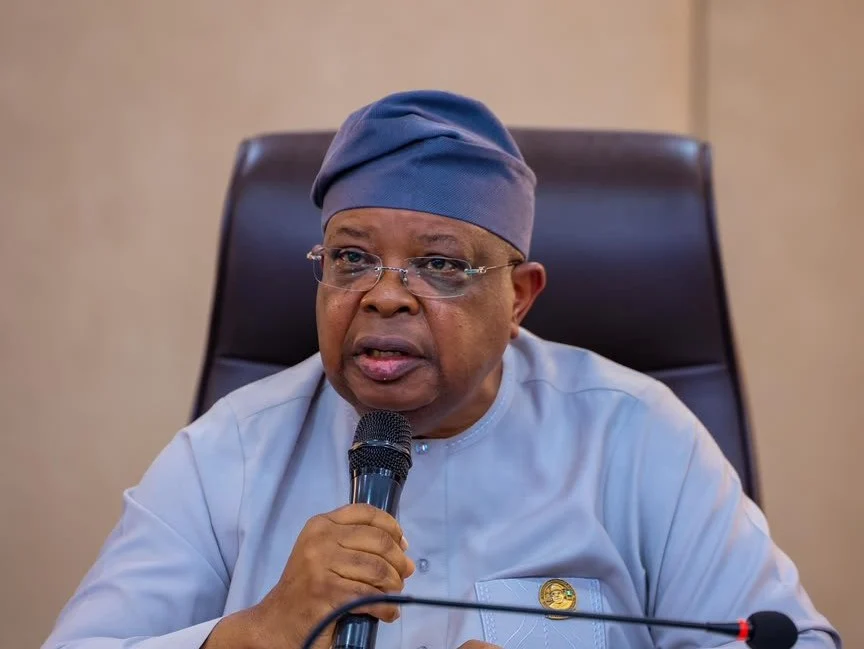
Power: FG to Clear GenCos’ Legacy Debts in 2027 — Tegbe
Power Minister Joseph Tegbe says the Federal Government aims to settle outstanding legacy debts owed to electricity generation companies by 2027.
 News
News
IPO: Dangote Petroleum Refinery Extends Offer Period by Two Weeks
Dangote Refinery extends its share offer to October 27, giving investors more time to participate in the landmark IPO.
 News
News
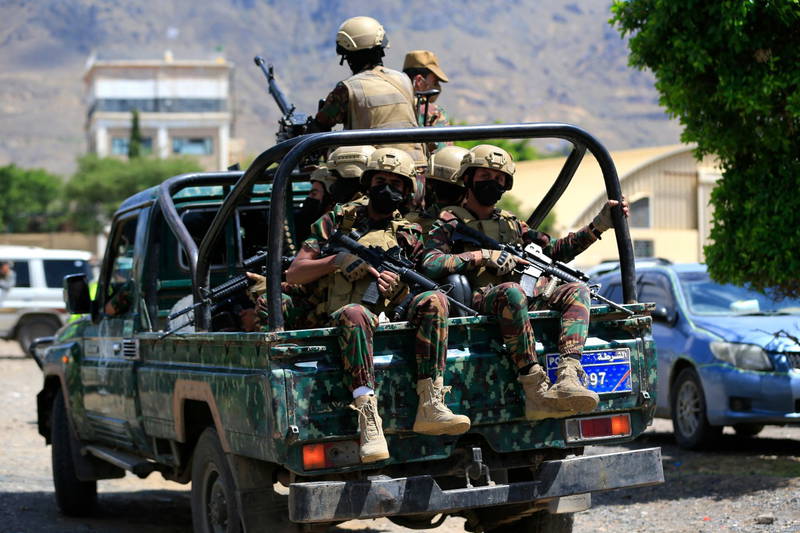
Houthi Official Warns of ‘Swift, Painful Response’ if US Enters Yemen War
Houthi official Mohammed Al Bukhaiti threatens US interests if Washington joins Saudi Arabia’s military campaign against the group.
Comments (0)
Leave a comment
All comments are moderated before publishing. Your email is never published.