
NIMASA Deploys Drones, Armoured Vehicles to Combat Maritime Crimes
The Nigerian Maritime Administration and Safety Agency has showcased upgraded surveillance technology, drones, armoured vehicles and tactical equipment under its Deep Blue Project to strengthen maritime security and combat illegal activities in Nigerian waters.

The Nigerian Maritime Administration and Safety Agency (NIMASA) has unveiled advanced surveillance technology and tactical equipment under its Deep Blue Project as part of efforts to combat piracy, illegal fishing, arms trafficking and other maritime crimes in Nigerian waters.
The equipment was presented on Tuesday by the Chief Executive Officer of HLS International, Tal Spektor, during the Africa International Defence Exhibition in Lagos. HLS International is a technical partner to NIMASA on the project.
Spektor said the project combined intelligence gathering, surveillance and coordinated enforcement operations to strengthen security across Nigeria’s maritime domain.
He explained that its Command and Control Centre monitors vessels travelling from different parts of the world into Nigeria’s Exclusive Economic Zone, using information such as vessel ownership, International Maritime Organisation identification numbers and Automatic Identification System status to identify suspicious movements.
He added that recent improvements to the project's intelligence systems had enhanced the monitoring of cargo movements and the sharing of information with NIMASA and other government agencies.
Among the equipment displayed were a light utility vehicle for land operations, a vertical take-off and landing unmanned aerial vehicle, a newly delivered armoured vehicle and tactical equipment for the project's special operations unit.
Spektor said the vertical take-off and landing drone could operate from vessels at sea or from land, providing surveillance during daytime and night-time operations.
He noted that unmanned aerial systems had supported operations over the past two years, adding that continued technological upgrades were necessary to maintain effectiveness against evolving maritime threats.
The armoured vehicle is expected to support special forces operating in different environments, while other equipment on display included night-vision devices, uniforms, arms and ammunition.
Spektor stressed that maritime security required effective coordination between land, sea and air operations because criminal activities occurring offshore often have links to activities on land.
He said the Deep Blue Project’s responsibilities extended beyond combating piracy, militancy and the trafficking of arms and ammunition.
According to him, the project also supports efforts to prevent illegal fishing, protect the marine environment, enforce maritime regulations and safeguard government revenue.
Spektor warned that illegal fishing threatened the livelihoods of coastal communities, while the unauthorised dumping of hazardous waste could damage marine ecosystems, deplete fish stocks and expose communities to environmental and health risks.
He said stronger surveillance and enforcement would help ensure that vessels operating in Nigerian waters complied with applicable laws and regulations. Punch Newspapers
The HLS International chief executive also linked maritime security to Nigeria’s broader economic interests, noting that effective enforcement could improve confidence in the country’s maritime environment, support international trade and influence shipping insurance costs.
He attributed improvements in Nigeria’s international maritime standing to cooperation among NIMASA, the Federal Ministry of Marine and Blue Economy, the Ministry of Defence and other security agencies.
Spektor cited Nigeria’s removal from international maritime blacklists and red lists, its election into Category C of the International Maritime Organisation Council and the lifting of a 12-year United States restriction on Nigerian vessels as developments associated with progress in the sector.
The Deep Blue Project, formally known as the Integrated National Security and Waterways Protection Infrastructure, is designed to secure Nigerian waters and support maritime law enforcement through assets deployed on land, at sea and in the air.
The latest equipment presentation formed part of the Africa International Defence Exhibition, which brought together stakeholders to showcase defence and security technologies.
Spektor reaffirmed HLS International’s commitment to supporting Nigeria’s maritime security objectives through technology, training and operational assistance.
Sponsored

Related stories
 News
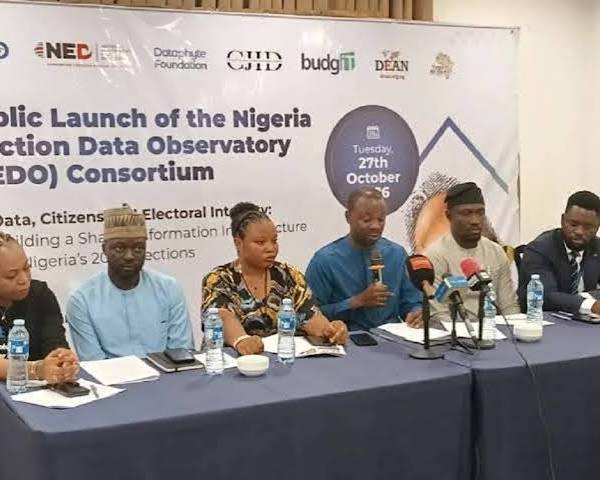
NEDO to Deploy Over 4,000 Observers, AI Technology for 2027 Elections
The Nigeria Election Data Observatory, a coalition of five civil society organisations, plans to deploy more than 4,000 election observers and use artificial intelligence to analyse results, verify electoral information and strengthen transparency during Nigeria’s 2027 general elections.
 News
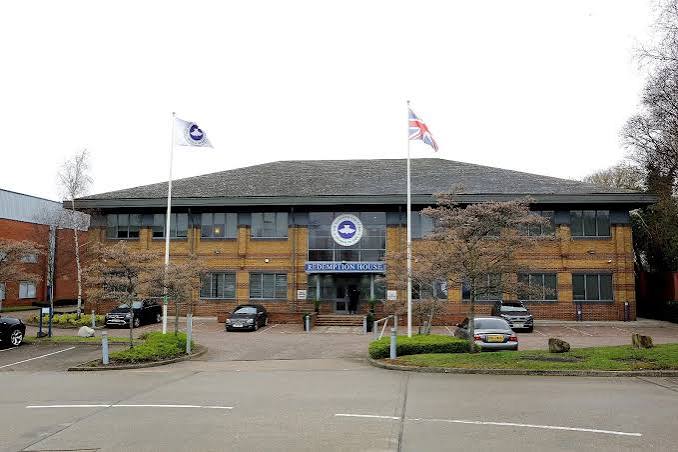
Pastor Agu Irukwu Explains Voluntary Resignation From RCCG UK Leadership
Pastor Agu Irukwu has explained that his decision to relinquish senior leadership positions in the Redeemed Christian Church of God (RCCG) in the United Kingdom in April 2021 was guided by his belief that genuine Christian leadership depends on influence, service and character rather than official titles.
 News
Court Remands Actress Doris Ogala Over Alleged Cyberstalking of Pastor
A Federal High Court in Lagos has remanded actress Doris Ogala at the Kirikiri Correctional Centre pending the hearing of her bail application over allegations of cyberstalking, cyberbullying and attempted extortion involving Pastor Chris Okafor.
 News
LPPC Opens Applications for 2027 SAN Rank, Sets ₦5m, ₦2.5m Fees
The Legal Practitioners’ Privileges Committee has opened applications for the 2027 conferment of the Senior Advocate of Nigeria rank, setting non-refundable processing fees of ₦5 million for private practitioners and ₦2.5 million for government-employed lawyers.
Comments (0)
Leave a comment
All comments are moderated before publishing. Your email is never published.