
Nigerian Filling Stations Cut Petrol Prices After Dangote Refinery’s N51/Litre Reduction
Retailers cut petrol prices by up to N80 as Dangote Refinery’s latest N51 gantry reduction raises hopes of further relief.
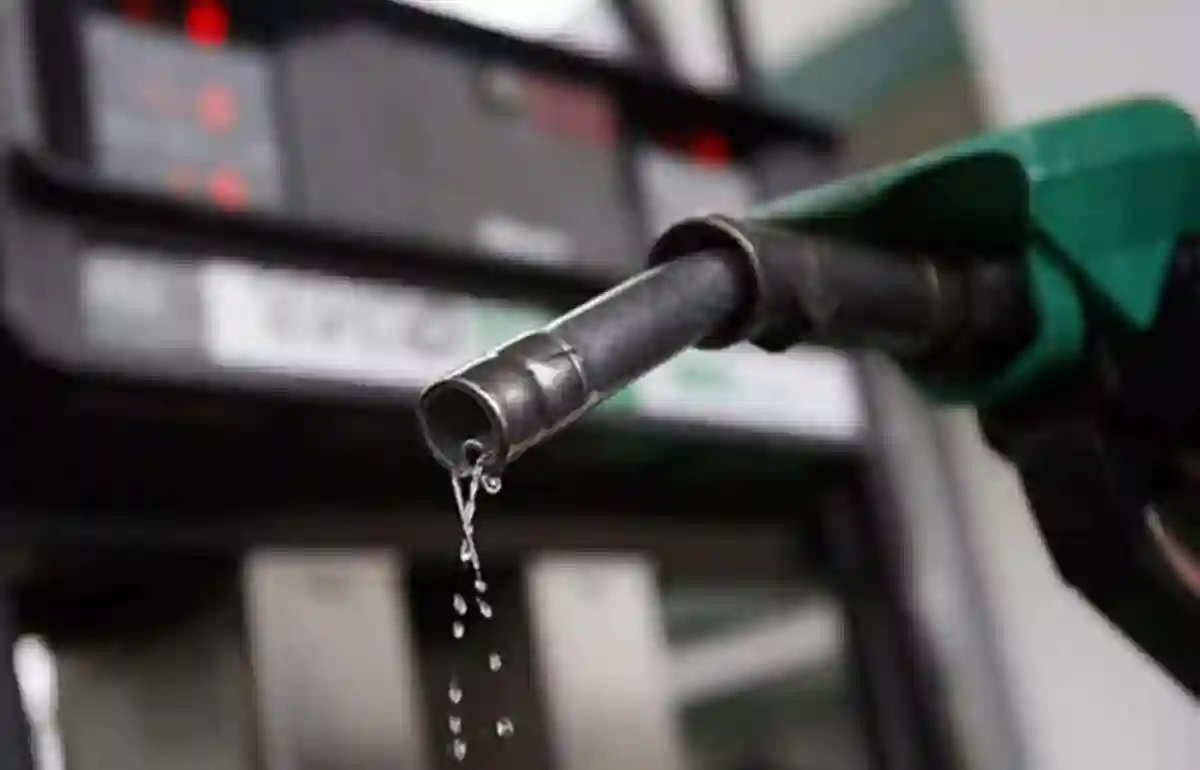
Nigerian motorists are beginning to enjoy some relief at filling stations as petrol retailers reduce pump prices following lower supply costs and recent adjustments by the Dangote Petroleum Refinery.
A market report published on Tuesday, November 17, showed that the Nigerian National Petroleum Company Limited (NNPC), MRS, AP and other filling station operators had reduced their petrol prices by between N9 and N80 per litre in less than two weeks.
In Lagos, NNPC outlets were selling petrol at N1,289 per litre, while AP stations offered the product at N1,290 and MRS at N1,310.
Prices remained higher in Abuja, where selected filling stations sold petrol between N1,325 and N1,420 per litre, reflecting differences in supply and distribution costs across locations.
The price adjustments followed reductions in the cost of obtaining petrol from the Dangote Refinery and the falling landing cost of imported petroleum products.
On Monday, November 16, the Dangote Refinery reduced its petrol gantry price by N51, bringing it down from N1,210 to N1,159 per litre. The adjustment represents a reduction of approximately 4.21 per cent.
The 700,000-barrel-per-day refinery, located in Lekki, Lagos State, has continued to influence pricing across Nigeria’s downstream petroleum market as marketers adjust their wholesale and retail rates.
Meanwhile, the landing cost of imported petrol fell to N1,063 per litre on November 13, from about N1,384.82 recorded around September 25.
The decline in international crude oil prices has also contributed to lower import costs. Brent crude was reported at $92.44 per barrel on Monday, while West Texas Intermediate traded at $85.39.
The International Energy Agency has projected that global oil supply could exceed demand by 1.7 million barrels per day in the fourth quarter of 2026, amid recovering supplies and slower demand growth.
However, the latest N51 reduction at Dangote’s gantry does not automatically translate into an equivalent reduction at every filling station. Transportation, distribution expenses, depot charges and marketers’ margins continue to influence the final pump price.
Further reductions may follow if lower wholesale costs are sustained and retailers pass the savings on to consumers.
Sponsored

Related stories
 News
Reps Invite Power Minister, TCN MD Over Vandalisation of Transmission Towers
Lawmakers have summoned power sector officials over the destruction of 10 transmission towers, raising concerns about grid stability, security and accountability.
 News
US Loses Measles-Free Status as Cases, Deaths Mount
The United States has lost its measles elimination status after 26 years, as infections exceed 5,400 and deaths rise amid declining vaccination coverage.
 News
2027: Makinde Campaign Faults Tinubu Over Federal Recruitment Freeze
Seyi Makinde’s presidential campaign organisation criticises Tinubu’s recruitment embargo, warning it could worsen youth unemployment and restrict employment opportunities.
 News
INEC Cautions Parties, Observers Against Announcing Unofficial Election Results
INEC warns political parties, election observers and other stakeholders against presenting independently collated figures as official results ahead of Nigeria’s 2027 general elections.
Comments (0)
Leave a comment
All comments are moderated before publishing. Your email is never published.