
Nigeria’s Petrol Supply Falls 23% as Imports Drop 30%, Local Receipts Decline 21%
Nigeria’s daily petrol supply fell by 23 per cent in September 2026, as imports declined by 30 per cent and domestic refinery receipts dropped by 21 per cent, according to the latest petroleum industry data.
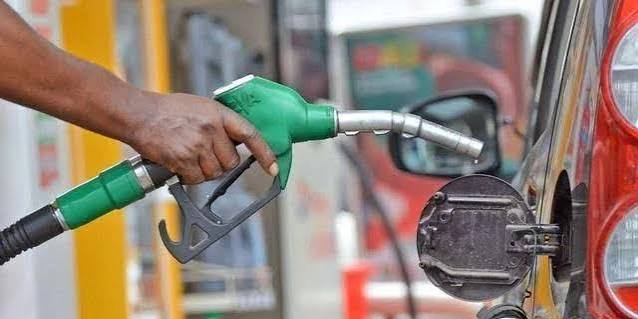
Nigeria’s average daily petrol supply declined by 23 per cent in September, as lower imports and reduced deliveries from domestic refineries contributed to a significant fall in the volume of fuel entering the market.
Data from the Nigerian Midstream and Downstream Petroleum Regulatory Authority (NMDPRA) showed that daily petrol receipts dropped from 50.5 million litres in August to 38.7 million litres in September.
Domestic petrol receipts fell by 21 per cent, from approximately 35.9 million litres per day in August to 28.5 million litres in September. Imported supplies also declined by 30 per cent, from 14.6 million litres to 10.2 million litres daily.
Despite the reduction, locally refined petrol continued to account for the larger share of national supplies, contributing about 74 per cent of total receipts during the month, while imports accounted for the remaining 26 per cent.
The figures highlight the growing role of domestic refineries in Nigeria’s petroleum market, alongside the challenges of maintaining consistent supplies as the country reduces its reliance on imported refined products.
The decline in September followed an increase in domestic supply in August, when receipts from local refineries rose by 39 per cent compared with July. During the same period, petrol imports fell by 26 per cent, reflecting increased contributions from domestic refining.
However, the reversal in September indicates that gains in local supply have not yet eliminated fluctuations in the volume of petrol available to the market.
The NMDPRA data also showed that domestic refineries received 15.97 million barrels of crude oil in September, down from 17.05 million barrels in August, representing a decline of approximately 6.3 per cent.
Meanwhile, petrol stock sufficiency stood at 23.9 days in September, remaining below the regulator’s benchmark of 30 days.
The figures underscore the need to maintain adequate crude oil supplies to domestic refineries and ensure reliable production and distribution, even as Nigeria continues to expand its local refining capacity.
The country’s changing petroleum supply structure has been driven largely by the operations of the Dangote Petroleum Refinery, which has helped reduce the share of imported petrol in the domestic market.
Nevertheless, the latest figures show that sustaining adequate fuel availability remains an important challenge for the downstream petroleum sector.
Sponsored

Related stories
 News
Veteran Nollywood Actor Francis Duru Dies at 57 After Brief Illness
Veteran Nollywood actor Francis Duru has died at 57 after a brief illness, his family and the Actors Guild of Nigeria confirmed.
 News
Covenant Varsity Is God’s Own New-Generation Harvard, Says Oyedepo
Covenant University Chancellor David Oyedepo has expressed confidence that the institution will attain global recognition comparable to Harvard University, citing its growth, academic development and commitment to producing leaders with strong character.
 News
Afenifere Leader Fasoranti for Burial on December 17
The family of late Afenifere leader Pa Reuben Fasoranti has announced December 17, 2026, for his burial in Akure, Ondo State, following his death at the age of 100.
 News
Kaduna Assembly Approves Constitutional Amendment for State Police
The Kaduna State House of Assembly has unanimously approved a proposed constitutional amendment to establish state police services, citing the need to improve community security, protect lives and property, and strengthen responses to local crimes.
Comments (0)
Leave a comment
All comments are moderated before publishing. Your email is never published.