
Nigeria’s Investment Levels Inadequate for Job Creation — NESG
NESG says Nigeria needs significantly higher productive investment to create jobs, raise productivity and achieve shared prosperity.
The Nigerian Economic Summit Group (NESG) has said Nigeria’s current level of investment remains inadequate to generate the jobs, productivity gains and broad-based prosperity needed by its rapidly growing population.
The private sector-led policy advocacy group made the observation ahead of the 32nd Nigerian Economic Summit, scheduled for October 26 and 27 in Abuja.
The summit, themed “Growth that Works: Delivering Jobs, Productivity and Shared Prosperity,” will focus on strategies for mobilising investment and strengthening human capital to support sustainable economic growth.
According to the NESG, economic transformation depends on sustained investment in businesses, industries, infrastructure, innovation and people. It said Nigeria’s investment gap has limited the country’s ability to expand productive capacity and create sufficient employment opportunities.
The group identified infrastructure deficits, limited access to long-term finance, regulatory uncertainty and high business costs as some of the factors constraining productive investment.
It said recent economic reforms aimed at improving macroeconomic stability, fiscal sustainability and investor confidence were important, but stressed that stability needed to translate into increased investment and business expansion.
Under the “Invest Nigeria” agenda, the summit will examine opportunities for attracting domestic and foreign capital into sectors including agriculture, manufacturing, infrastructure, technology, energy, mining, logistics and the creative economy.
The NESG said investment should not be measured only by the volume of capital attracted, but also by where the capital is deployed and its ability to generate economic value, improve productivity and create employment.
It also highlighted the importance of Micro, Small and Medium Enterprises, saying improved access to finance, reduced regulatory barriers and greater business formalisation could support enterprise growth and job creation.
The group said investment in human capital must also form part of Nigeria’s development strategy. It identified education, healthcare, digital literacy, vocational training and workforce development as areas requiring greater attention.
According to the NESG, Nigeria’s young population represents an important economic opportunity, but unlocking its potential will require better alignment between skills development and labour market needs.
The organisation also called for stronger public-private partnerships, improved infrastructure financing, deeper capital markets and policies that encourage long-term investment.
It said government, businesses, development partners and educational institutions all have roles to play in creating an environment where productive investment can expand and translate into better economic opportunities.
The 32nd Nigerian Economic Summit is expected to bring together stakeholders from government, business, finance, academia and development institutions to discuss practical measures for placing investment, productivity and job creation at the centre of Nigeria’s economic development.
Sponsored

Related stories
 News
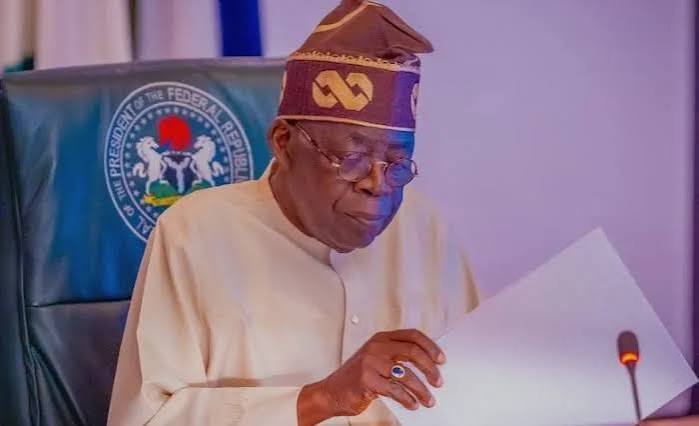
Tinubu’s Umrah Trip Not Aimed at Winning Northern Votes, Says Aide
Presidential aide Ademola Oshodi has dismissed suggestions that President Bola Tinubu’s recent Umrah pilgrimage to Saudi Arabia was politically motivated, saying the visit had religious and national significance beyond regional electoral considerations.
 News
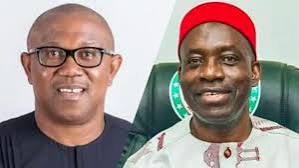
Soludo Says Political Differences Have Not Affected Friendship With Obi
Anambra State Governor Chukwuma Soludo has described former governor Peter Obi as a close personal friend, saying their disagreements are limited to politics despite their differing positions ahead of the 2027 elections.
 News
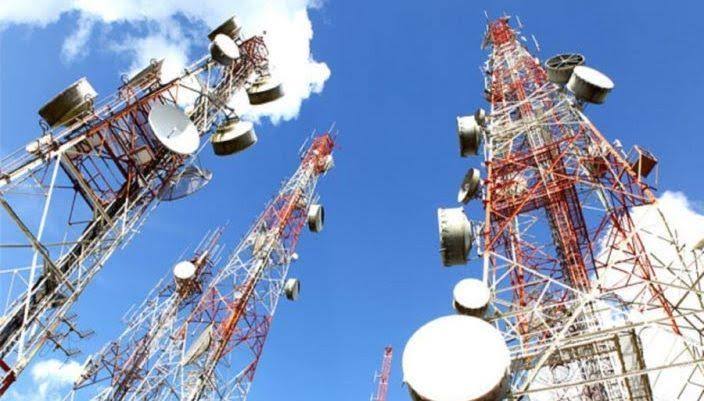
Telcos Urge Reps to Address Infrastructure Challenges Affecting Network Services
The Association of Licensed Telecommunications Operators of Nigeria has urged the House of Representatives to tackle infrastructure and policy obstacles affecting network quality, arguing that summoning company executives alone will not resolve persistent service failures.
 News
Traditional Rulers Face Neutrality Test Ahead of 2027 Elections
As politicians intensify visits to traditional palaces ahead of the 2027 general elections, concerns are growing over the ability of Nigeria’s monarchs to remain impartial amid political pressure and competing interests.
Comments (0)
Leave a comment
All comments are moderated before publishing. Your email is never published.