
Nigeria’s Debt Rises by N7.44tr To N166.79tr In Three Months
Nigeria’s total public debt rose by N7.44 trillion to N166.79 trillion between March and June 2026, with domestic borrowing accounting for 54.91 per cent of the total.
Nigeria’s total public debt stock rose by N7.44 trillion to N166.79 trillion as of June 30, 2026, according to the latest figures released by the Debt Management Office (DMO).
The figure represents a 4.7 per cent increase from the N159.35 trillion recorded at the end of March 2026.
The DMO data showed that domestic debt accounted for N91.59 trillion, representing 54.91 per cent of the total debt stock, while external debt stood at N75.20 trillion, or 45.09 per cent.
In dollar terms, Nigeria’s total public debt stood at $120.93 billion, comprising $66.41 billion in domestic debt and $54.52 billion in external obligations.
The Federal Government remained the largest borrower, accounting for N152.77 trillion, or about 91.6 per cent of the total public debt.
Its external debt stood at N65.77 trillion, while domestic obligations amounted to N87 trillion.
States and the Federal Capital Territory accounted for the remaining N14.01 trillion, comprising N9.42 trillion in external debt and N4.59 trillion in domestic debt.
The Federal Government’s domestic debt portfolio was dominated by FGN bonds, which stood at N64.84 trillion, representing 74.53 per cent of its domestic obligations.
Nigerian Treasury Bills accounted for N19.48 trillion, while FGN Sukuk stood at N1.19 trillion. Other instruments included savings bonds, green bonds and promissory notes.
The latest figures also showed an increase in Nigeria’s debt stock compared with the same period in 2025. Total public debt stood at N152.40 trillion in June 2025, indicating a year-on-year increase of N14.39 trillion, or 9.4 per cent.
The DMO noted that changes in the naira value of external debt could also reflect exchange-rate movements, as foreign-currency obligations are converted into naira for reporting.
The latest debt figures highlight the continued dominance of domestic borrowing in Nigeria’s public debt portfolio, with government securities accounting for a substantial portion of Federal Government domestic obligations.
Sponsored

Related stories
 News
News
UBEC Targets 29 Million Children in $552m World Bank Education Programme
HOPE-EDU targets 29 million children, 500,000 teachers, 65,000 public schools and 10,000 non-formal learning centres nationwide.
 News
News
KACRAN Urges INEC to Extend PVC Collection by One Week, Says Millions Unaware
KACRAN urges INEC to extend voter card collection, warning that inadequate public awareness could prevent eligible Nigerians from participating.
 News
News
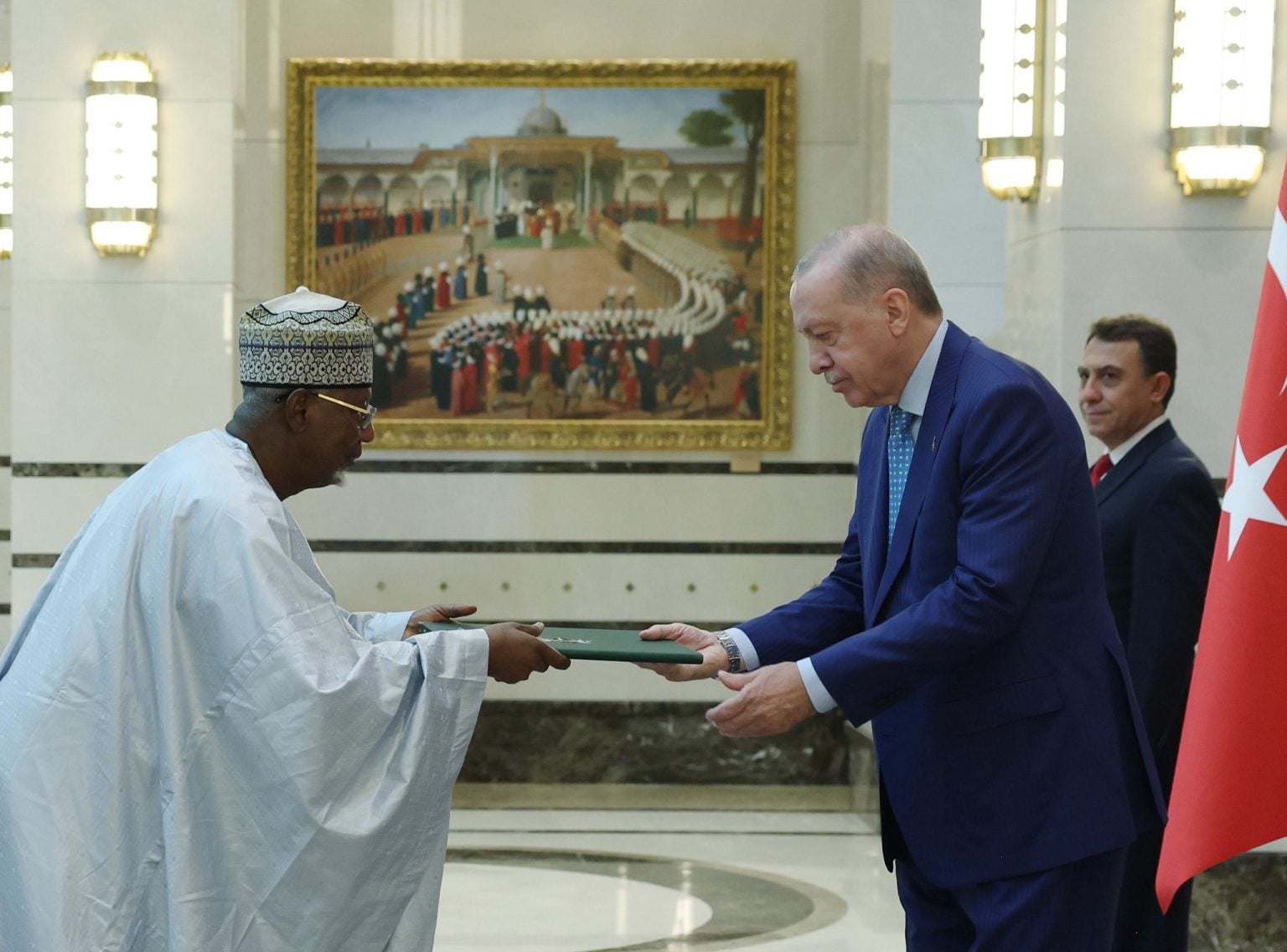
Nigeria’s Ambassador to Türkiye Presents Credentials to President Erdoğan
Nigeria’s ambassador Saidu Dakingari begins his diplomatic mission after presenting credentials to Erdoğan in Ankara.
 News
News
Epidemic Fears Mount as Bodies of NAF Crash Victims Remain Unrecovered
Ondo government orders river fumigation as residents report foul odour and fear possible contamination following the fatal aircraft crash.
Comments (0)
Leave a comment
All comments are moderated before publishing. Your email is never published.