
Nigeria Receives 1.47 Million Tonnes of LPG in 10 Months as Local Supply Dominates
Nigeria received an estimated 1.47 million tonnes of liquefied petroleum gas between October 2025 and July 2026, with domestic producers accounting for most of the supply, according to data from the petroleum regulator.
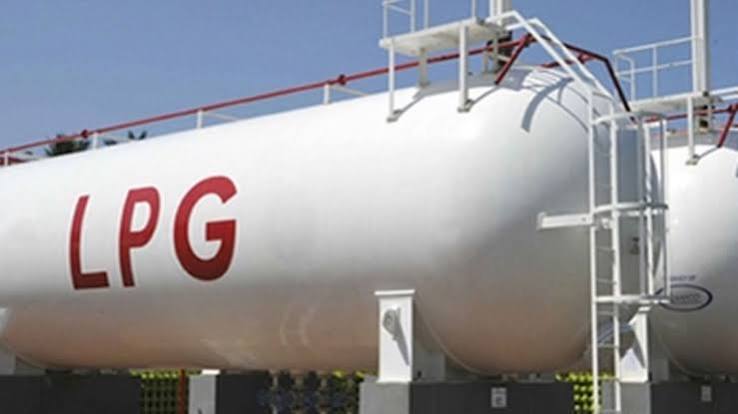
Nigeria received an estimated 1.47 million tonnes of liquefied petroleum gas (LPG) between October 2025 and July 2026, as local refineries and gas processing plants continued to dominate the country’s cooking gas supply.
Figures published by the Nigerian Midstream and Downstream Petroleum Regulatory Authority (NMDPRA) showed that the volume represented average daily receipts of approximately 4.8 million kilogrammes over the 10-month period.
The regulator’s October 2026 factsheet indicated that domestic sources accounted for about 92 per cent of LPG receipts during the month, while imports contributed the remaining eight per cent.
Total daily receipts increased by 11 per cent to approximately 5.2 million kilogrammes in October, compared with the 13-month average of 4.8 million kilogrammes.
Domestic supply averaged 4.8 million kilogrammes daily, while imported volumes stood at approximately 400,000 kilogrammes, doubling from 200,000 kilogrammes recorded in September.
A breakdown of the October figures showed that other gas processing plants supplied the largest volume, contributing 1.691 million kilogrammes daily, representing 32.6 per cent of total receipts.
Their contribution increased by 38 per cent compared with the preceding month.
Nigeria LNG Limited and Seplat Energy Producing Nigeria Unlimited supplied 1.601 million kilogrammes daily through vessel deliveries, accounting for 30.9 per cent of the total. However, their combined contribution declined by 37 per cent from September.
The Dangote Petroleum Refinery supplied 1.505 million kilogrammes daily, representing 29 per cent of total receipts. Its contribution increased by 115 per cent compared with the previous month, making it one of the major drivers of the supply increase.
Imports accounted for approximately 390,000 kilogrammes daily, representing 7.5 per cent of total receipts, following a 102 per cent increase from September.
The figures further showed that local refineries and gas processing plants supplied approximately 3.2 million kilogrammes daily, while NLNG and Seplat accounted for another 1.6 million kilogrammes through vessel deliveries.
The regulator’s 13-month breakdown indicated that domestic sources supplied an average of four million kilogrammes daily, representing 83.8 per cent of total LPG receipts, while imports accounted for the remaining 16.2 per cent.
Despite the improvement in supply, the factsheet showed that Nigeria’s LPG stock cover stood at 14.8 days in October, below the regulator’s 30-day stock sufficiency benchmark.
Daily consumption averaged approximately five million kilogrammes during the month, slightly below the 5.2 million kilogrammes received.
The figures suggest that growing domestic production is reducing the country's dependence on imported cooking gas, although supply stability remains a concern.
Sustaining the improvement will depend on consistent production from local facilities, efficient distribution networks and increased storage capacity to protect the market against supply disruptions.
The development also highlights the need to ensure that rising domestic production translates into more reliable and affordable cooking gas for households and businesses across the country.
Sponsored

Related stories
 News
‘You’re Ruining People’s Reputation’ — Reuben Abati Tells Police Over Declaration of Arise TV Owner Wanted
Arise News anchor Reuben Abati has questioned the police investigation, warning that declaring individuals wanted without diligence could damage their reputations.
 News
I Won’t Return to Edo Unless You Fix Your Roads, Pastor Benny Hinn Tells Okpebholo
International evangelist Benny Hinn has urged Edo Governor Monday Okpebholo to repair deteriorating roads, describing his recent journey as uncomfortable.
 News
Olubadan Advisory Council Removes 11 Mogajis in Ibadan
The Olubadan Advisory Council has revoked 11 Mogaji appointments over alleged irregularities, suspected improper installations and discrepancies in Ibadan’s traditional chieftaincy system.
 News
Police Declare Nestoil Chairman, Sahara Group’s ED, Seven Others Wanted
Police declared nine executives wanted over an alleged threat to FirstBank chief Olusegun Alebiosu after a suspicious parcel was delivered.
Comments (0)
Leave a comment
All comments are moderated before publishing. Your email is never published.