
Nigeria Projected to Have World’s Third-Largest Muslim Population by 2035 — Report
A new Pew Research report projects Nigeria will rank third globally in Muslim population by 2035, reflecting significant demographic changes.
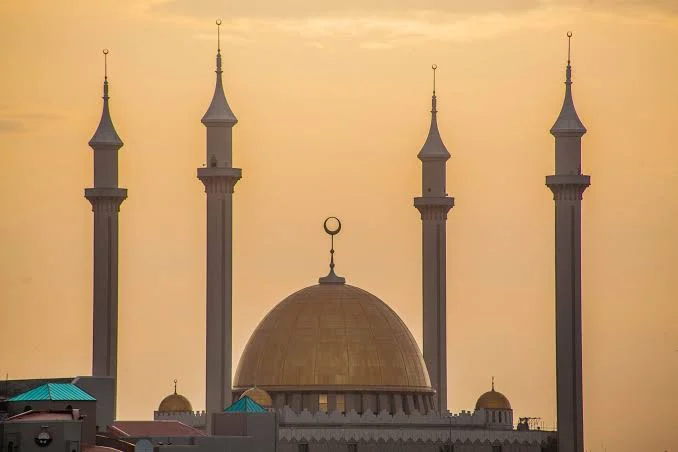
Nigeria is projected to have the world’s third-largest Muslim population by 2035, behind Pakistan and India, according to new demographic projections released by the Pew Research Centre.
The findings are contained in the research organisation’s latest report, titled The Future of World Religions: Population Growth Projections, 2020–2070, released on November 18, 2026.
The report examines projected changes in the size and distribution of major religious groups across 201 countries and territories, accounting for approximately 99.98 per cent of the global population.
According to the projections, Pakistan is expected to have the largest Muslim population by 2035, followed by India and Nigeria, while Indonesia, which currently has the world’s largest Muslim population, is expected to rank fourth.
The research also projects that Nigeria will have the third-largest Muslim population globally by 2070, with approximately 282 million Muslims.
Within Nigeria, Muslims are projected to account for 67 per cent of the population by 2070, while Christians are expected to represent 32 per cent.
The report attributes the projected expansion of the global Muslim population largely to differences in fertility rates and age distribution.
Between 2020 and 2025, Muslim women recorded an average of 3.1 children, compared with 2.5 among Christian women and 1.6 among women belonging to other religious groups.
Pew estimates that the global Muslim population could increase from approximately 2.02 billion in 2020 to more than 3.6 billion by 2070, representing growth of about 80 per cent.
The Christian population, meanwhile, is projected to increase by approximately 30 per cent, reaching just under three billion over the same period.
The projections indicate that Muslims could overtake Christians as the world’s largest religious group by 2035. By that year, the global Muslim population is estimated at approximately 2.57 billion, compared with 2.52 billion Christians.
Pew, however, cautioned that the projections are based on the assumption that existing patterns of fertility, mortality, migration and religious switching will continue. Changes resulting from conflicts, natural disasters and economic conditions could affect the outcomes.
The findings highlight the growing demographic significance of Nigeria and sub-Saharan Africa in the future distribution of the world’s major religious populations.
Sponsored

Related stories
 News
FG Equips 7,000 Lagos TVET Graduates to Start Businesses
Federal Government begins distributing business starter kits to 7,000 Lagos TVET graduates to promote self-employment, entrepreneurship and job creation.
 News
FG Backs Efforts to Develop Lassa Fever Vaccine in Nasarawa
Federal Government pledges support for Nasarawa researchers developing local Lassa fever vaccine candidates to strengthen Nigeria's disease prevention and research capacity.
 News
FG Backs Abuja Aviation School as Regional Training Hub
Federal Government backs Baze University's aviation school in Abuja, supporting efforts to develop skilled professionals and position Nigeria as West Africa's aviation training hub.
 News
Six Killed in Israeli Strikes on Gaza Despite Ceasefire
At least six Palestinians have been killed in Israeli strikes across Gaza, raising fresh concerns over the fragile ceasefire between Israel and Hamas.
Comments (0)
Leave a comment
All comments are moderated before publishing. Your email is never published.