
Nigeria Plans Cooperative Bank and Digital Push to Revolutionize Agricultural Financing
Federal Government of Nigeria is planning to establish the Cooperative Bank of Nigeria as part of a broader digital transformation of the agricultural sector. The initiative aims to improve access to credit for smallholder farmers and rural agribusinesses, while using digital platforms to enhance transparency, reduce intermediaries, and strengthen food security under the Renewed Hope agenda.
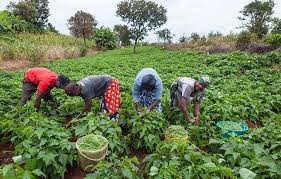
The Federal Government of Nigeria is finalizing plans to establish the Cooperative Bank of Nigeria alongside an aggressive digitalization drive aimed at transforming smallholder agriculture and boosting national food security, BusinessDay reports.
The initiative, central to the administration's "Renewed Hope" agricultural agenda, looks to bridge the chronic financing gap faced by small-scale farmers, agro-dealers, and rural artisans who traditionally struggle to secure credit from conventional commercial banks. By leveraging the existing network of agricultural cooperative societies, the government intends to build a structured, grassroots-oriented financial institution tailored specifically to agribusiness needs.
Speaking on the strategic blueprint, the Minister of State for Agriculture and Food Security, Aliyu Sabi Abdullahi, emphasized that establishing the bank goes hand-in-hand with deep digital reforms.
The proposed digital push will modernize how agricultural credit and inputs are distributed. By migrating cooperative operations to tech-driven platforms, the ministry aims to eliminate costly intermediaries, track fund utilization in real time, and ensure transparent, data-backed access to loans.
Agricultural stakeholders have broadly welcomed the overhaul, noting that if executed efficiently, combining a dedicated cooperative bank with a digitalized infrastructure will dramatically scale up production, stabilize domestic food supply chains, and position Nigerian agriculture as a highly commercially viable sector.
Sponsored

Related stories
 Agriculture
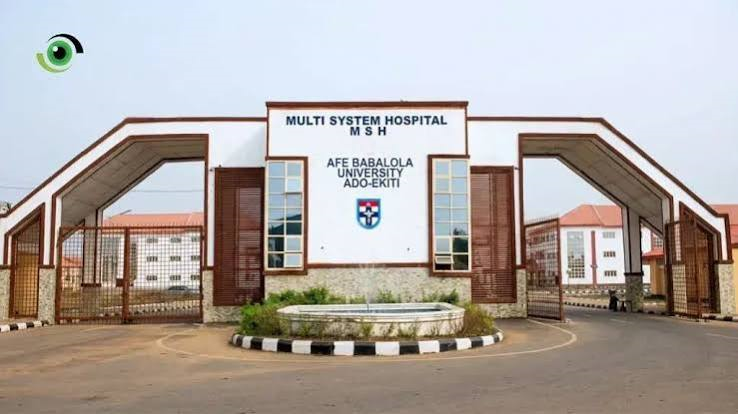
Babalola’s Farmer Support Hits N98m
Legal icon Aare Afe Babalola has disbursed N11.2 million to 81 outstanding farmers across Ekiti State's 16 local government areas, bringing total awards under his annual agricultural scheme since 2015 to N98 million.
 Agriculture
FG Launches African Swine Fever Control Campaign in Southwest
The Federal Government has launched a major African Swine Fever control and biosecurity campaign at the Oke-Aro Pig Farm Estate, distributing protective kits to farmers and pledging comprehensive training to prevent future outbreaks. The intervention by the Livestock Productivity and Resilience Support Project (L-PRES) targets one of Nigeria's largest pig production clusters, which has suffered devastating losses from the highly contagious disease in the past.
 Agriculture
Kyari: More Farmland Won’t Feed 400 Million Nigerians
Agriculture Minister Abubakar Kyari says Nigeria must treat agricultural extension as critical infrastructure, disclosing that over 100,000 farmers already receive weekly digital advisories as the country's population heads toward 400 million by 2050.
 Agriculture
Farmland Expansion Alone Won’t Feed Nigeria
Agriculture Minister Abubakar Kyari says Nigeria must shift to demand-driven, AI-enabled agricultural extension services to boost farm yields, warning that expanding farmland alone can no longer feed the country's growing population.
Comments (0)
Leave a comment
All comments are moderated before publishing. Your email is never published.