
Global Food Prices Surge to 3-Year High Over Iran Conflict, FAO Reports
Food and Agriculture Organization data shows global food commodity prices have hit a three-year high, driven by geopolitical tensions and disruptions linked to the Iran conflict. The surge in the FAO Food Price Index is being fueled by rising shipping costs, energy prices, and supply chain instability affecting grains, oils, and dairy. Analysts warn the impact could worsen food inflation, especially in import-dependent developing economies.
Global food commodity prices have skyrocketed to their highest level in three years, driven by escalating geopolitical tensions and supply chain disruptions stemming from the war involving Iran, BusinessDay reports, citing the latest data from the Food and Agriculture Organization (FAO).
The sharp uptick in the FAO Food Price Index reflects mounting global panic over trade flows through critical maritime supply routes. Market analysts note that the conflict has severely threatened shipping lanes in the Middle East, leading to surging insurance premiums, freight costs, and energy prices, which have instantly reverberated across international agricultural markets.
Crucial agricultural commodities, including grains, vegetable oils, and dairy, have borne the brunt of the market volatility. The spike comes at a precarious time for developing nations, particularly across Africa, where import-dependent economies are already battling severe inflation, currency devaluations, and existing domestic food security challenges.
According to the FAO, the compound effect of high energy costs and crippled logistical corridors could worsen the global cost-of-living crisis. Experts warn that unless diplomatic interventions stabilize the region and restore safe passage for commercial shipping, vulnerable populations face a prolonged period of hyper-inflated food costs and severe distribution delays.
Sponsored

Related stories
 Agriculture
Abakaliki Rice Mill: Ebonyi’s N171bn Neglected Goldmine
Nigeria's largest rice mill, operating since 1967, processes 132,000 tonnes of rice annually—worth over N171 billion—yet operates without power, safe working conditions, or good roads. As the state's entire IGR sits at just N17.18 billion, analysts ask how a facility generating ten times that amount has been allowed to decay into a "prostrate goldmine."
 Agriculture
Seaweed Could Transform Nigeria’s Agricultural Energy Sector
SMEFUNDS CEO Dr. Femi Oye advocates for seaweed as a renewable energy source to power Nigeria’s food production, offering a circular solution for farmers and small businesses.
 Agriculture
Babalola’s Farmer Support Hits N98m
Legal icon Aare Afe Babalola has disbursed N11.2 million to 81 outstanding farmers across Ekiti State's 16 local government areas, bringing total awards under his annual agricultural scheme since 2015 to N98 million.
 Agriculture
FG Launches African Swine Fever Control Campaign in Southwest
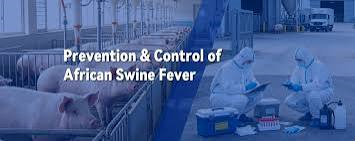
The Federal Government has launched a major African Swine Fever control and biosecurity campaign at the Oke-Aro Pig Farm Estate, distributing protective kits to farmers and pledging comprehensive training to prevent future outbreaks. The intervention by the Livestock Productivity and Resilience Support Project (L-PRES) targets one of Nigeria's largest pig production clusters, which has suffered devastating losses from the highly contagious disease in the past.
Comments (0)
Leave a comment
All comments are moderated before publishing. Your email is never published.