
Nigeria Not Doing Enough to Stop Attacks — US
US officials acknowledge Nigeria’s security efforts but say more action is needed to protect vulnerable communities and prosecute those responsible for attacks.
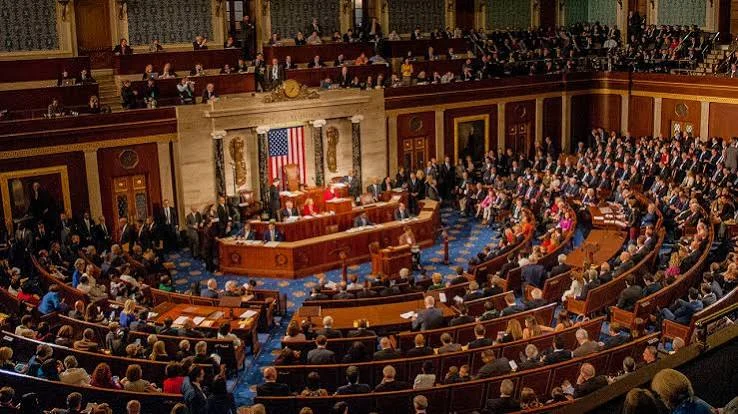
The United States has said Nigeria is yet to do enough to stop attacks on vulnerable communities and bring perpetrators of violence to justice, despite reported improvements in the country’s security response.
US State Department officials made the assessment on Thursday, November 12, during a congressional hearing organised by the House Foreign Affairs Subcommittee on Africa to examine Nigeria’s efforts to address insecurity and protect vulnerable communities.
The hearing, titled “One Year Later: Assessing Nigeria’s Efforts to Protect Christians and Secure the Middle Belt,” reviewed developments since President Donald Trump redesignated Nigeria as a Country of Particular Concern over religious freedom concerns in October 2025.
Speaking at the session, Frank Garcia, Assistant Secretary of State for African Affairs, said Washington had intensified diplomatic engagements with the Nigerian government but expected more measurable results.
Garcia said the US wanted increased security deployments in vulnerable communities, faster responses to early warnings of impending attacks and stronger accountability through improved security and judicial institutions.
He also disclosed that the US was working with Nigeria to strengthen security capacity, expand biometric information sharing to identify perpetrators and disrupt terrorist financing networks.
However, he said the pace of progress remained insufficient, noting that Washington had communicated its concerns during the second session of the US-Nigeria Joint Working Group.
Another senior State Department official, Riley Barnes, said Nigeria had taken religious violence more seriously following its designation as a Country of Particular Concern.
Barnes acknowledged reported leadership changes, strategic military deployments and increased arrests and prosecutions. He added that the Nigerian government had agreed to improve transparency in spending on displaced persons and develop a plan for their safe return to their communities.
He stressed that the ultimate measure of success would be a reduction in attacks and demonstrable progress in prosecuting those responsible.
“Abuja carries the burden of proof, and there is still more work to be done,” Barnes said.
Meanwhile, Oge Onubogu of the Centre for Strategic and International Studies cautioned against presenting Nigeria’s insecurity solely as religious persecution, noting that Muslim communities had also suffered devastating attacks.
She said the violence was influenced by several factors, including ethnicity, land and resource disputes, criminality, political competition and governance failures.
The hearing also examined possible additional measures Washington could take to encourage Nigeria to improve civilian protection and accountability.
Sponsored

Related stories
 News
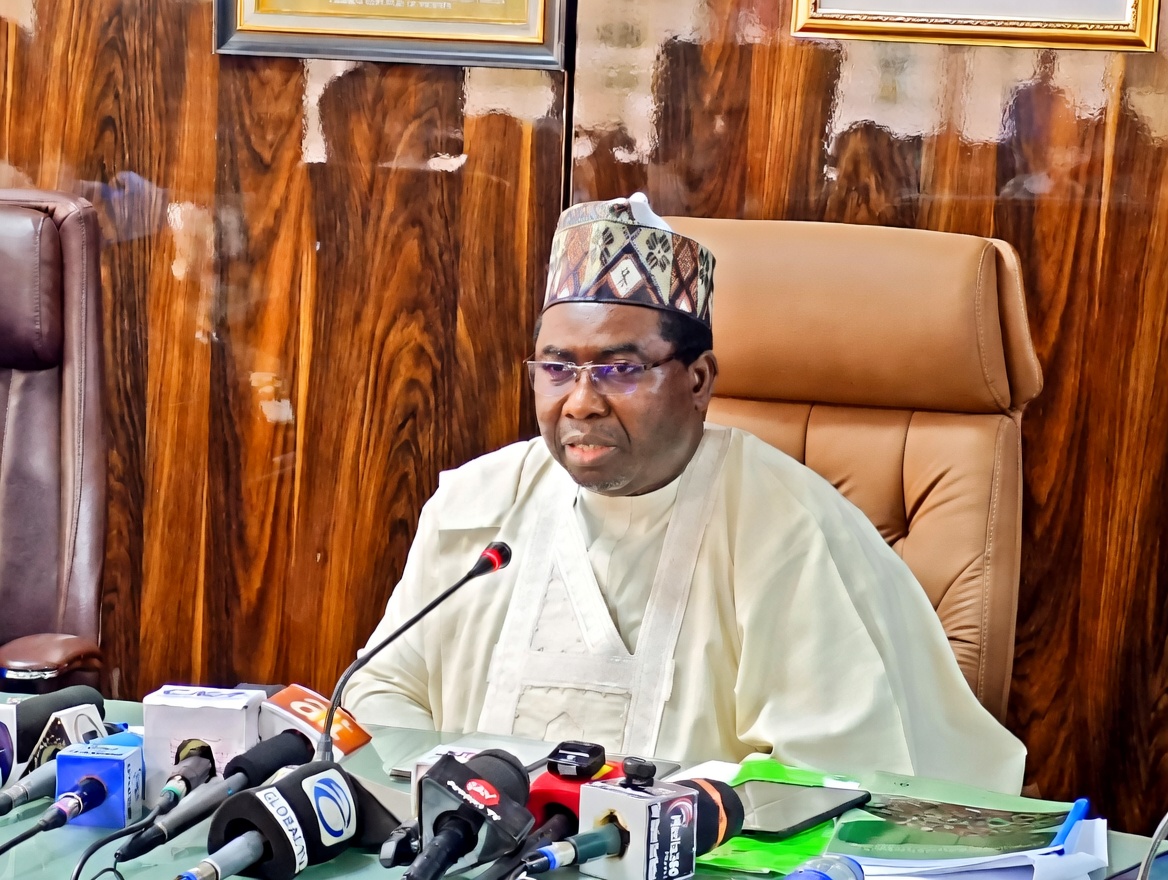
2027: INEC Vows to Abide by Court Decision on Atiku’s Presidential Bid
INEC Chairman Joash Amupitan says the commission will comply with court rulings determining Atiku Abubakar’s eligibility for the 2027 presidential election.
 News
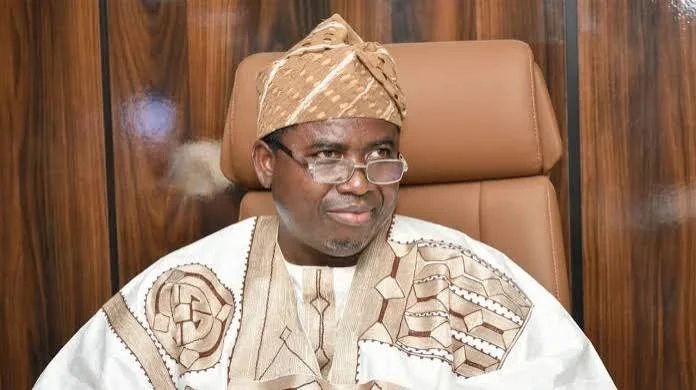
‘Come Out and Talk to Us’: Demonstrators Challenge Amupitan in London
Nigerian demonstrators confronted INEC Chairman Joash Amupitan outside Chatham House, demanding answers over alleged irregularities in the voter register.
 News
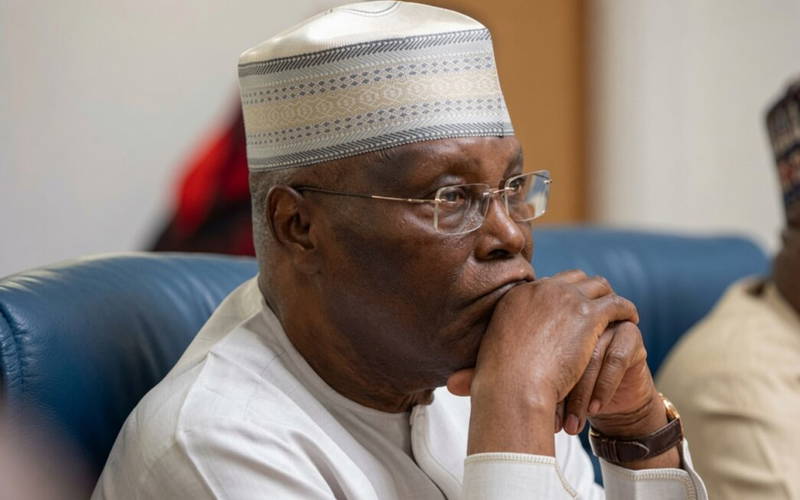
Insecurity: Atiku Accuses Tinubu of Failing to Protect Nigerians
Atiku faults Tinubu over worsening insecurity, citing reported killings and displacement of thousands of Nigerians fleeing violence.
 News
US Lawmakers Probe Nvidia Founder Over Alleged China Spy Links
US lawmakers seek answers from Nvidia CEO Jensen Huang over reports linking a Chinese businesswoman to suspected intelligence activities.
Comments (0)
Leave a comment
All comments are moderated before publishing. Your email is never published.