
Nigeria Has Left ‘Emergency Ward’, Targets $1trn Economy by 2030 — Tinubu
Tinubu says reforms have moved Nigeria beyond crisis, citing stronger reserves, non-oil exports and a $1 trillion target by 2030.
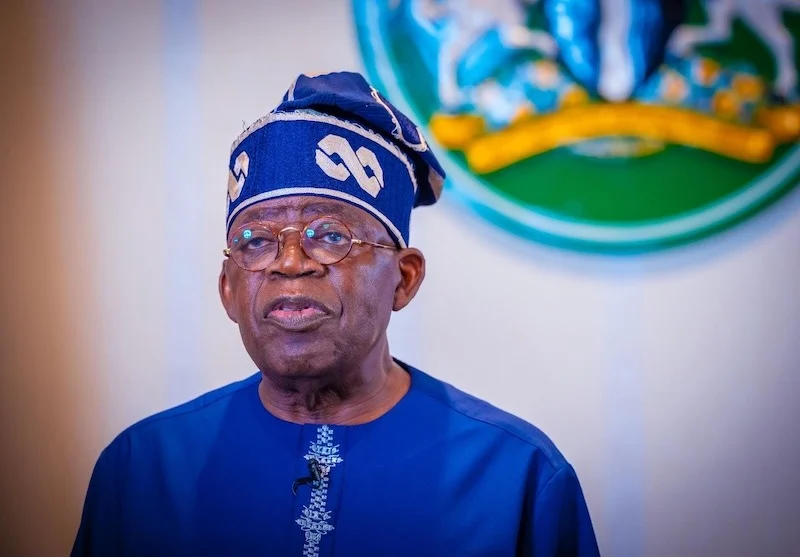
President Bola Tinubu has declared that Nigeria has moved beyond what he described as the economic “emergency ward,” saying the country is transitioning from economic stabilisation to shared prosperity, with a target of achieving a $1 trillion economy by 2030.
The President made the declaration on Thursday, November 12, in remarks delivered at the public presentation of a book titled Economic Diversification and Structural Transformation in Nigeria: Past, Present and Future, authored by Abdulmumin Jibrin Kofa, a member of the House of Representatives.
Tinubu said his administration inherited a difficult economic situation characterised by a weakening naira, depleted foreign reserves, rising debt-servicing obligations, fuel subsidy costs and declining industrial activities.
He said the government chose to remove the petrol subsidy and unify the foreign exchange market rather than continue with what he described as temporary solutions to longstanding economic problems.
According to the President, the reforms are beginning to produce results, with non-oil activities now accounting for approximately 96 per cent of Nigeria’s Gross Domestic Product.
He also disclosed that non-oil exports had exceeded $6 billion, describing the figure as the highest in the country’s history. External reserves, he said, had risen to approximately $55 billion, representing more than 14 months of import cover.
Tinubu further stated that non-oil revenue increased from N13.63 trillion in 2023 to N16.4 trillion in the first half of 2026.
He said the administration’s next priority was to translate economic stability into improved living conditions, job creation and broader opportunities for Nigerians.
The President maintained that achieving the $1 trillion target would require significant private-sector participation, noting that the government expected private capital to provide 86 per cent of the investment needed to meet the 2030 ambition.
He also highlighted ongoing infrastructure projects, energy investments, housing programmes, digital skills initiatives and tax reforms as part of the government’s strategy to expand economic productivity.
Tinubu stressed that government alone could not build a trillion-dollar economy, urging businesses to invest, manufacture, innovate and increase exports.
He acknowledged the hardship Nigerians had experienced following the reforms but maintained that the measures were necessary to establish a stronger foundation for long-term economic growth.
The President said the ultimate objective was to ensure that improved economic indicators translated into better livelihoods and shared prosperity across the country.
Sponsored

Related stories
 News
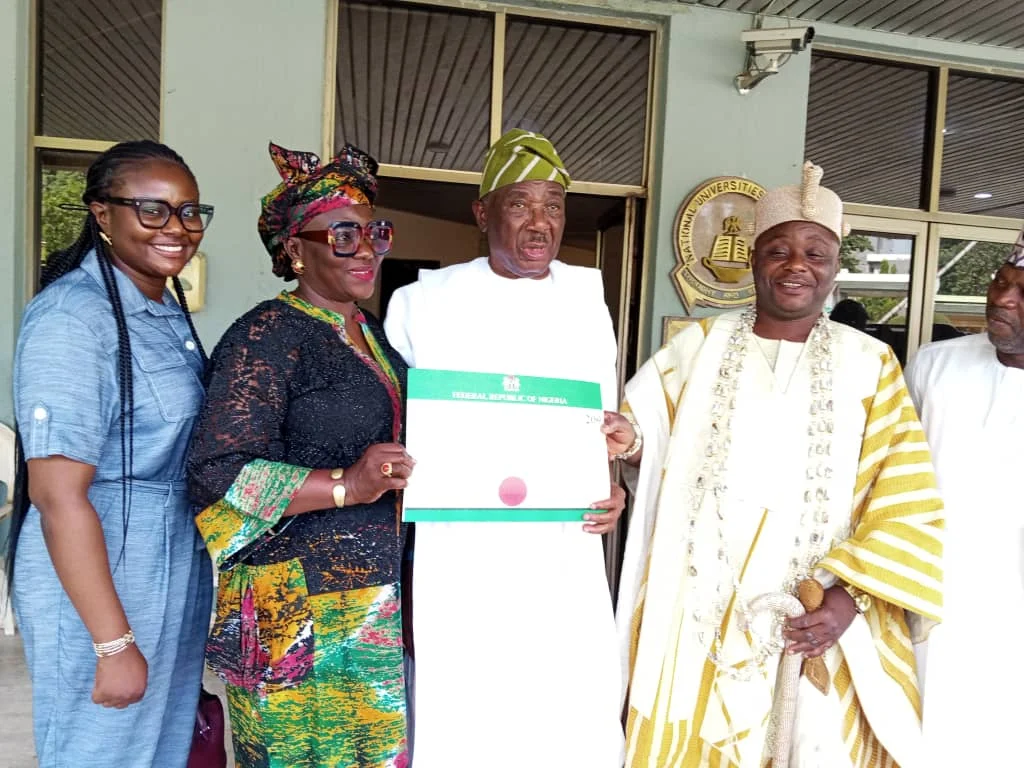
NUC Approves New Private University in Osun
The National Universities Commission approves Owolabi University in Osun, authorising 15 academic programmes across three faculties and nine departments.
 News
2027: INEC Fixes November 28 for Mock Accreditation, Voting
INEC schedules a nationwide mock accreditation and voting exercise for November 28 to test electoral technology ahead of the 2027 general elections.
 News
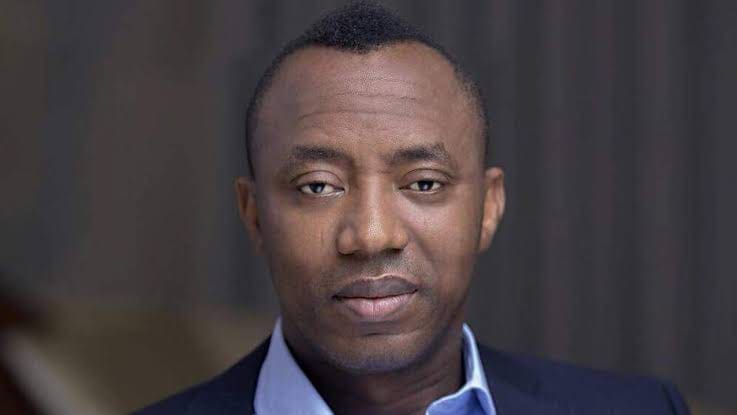
‘Prepare for Revolution’ — Sowore Calls for Nationwide Uprising Against Tinubu
AAC presidential candidate Omoyele Sowore urges Nigerians to organise a nationwide uprising, accusing Tinubu’s camp of preparing to undermine democratic freedoms.
 News
UNN Confirms Death of Four Students in Hostel Party, Says Six Still Hospitalised
UNN confirms four deaths and six hospitalisations after an off-campus gathering in Nsukka, declaring three days of mourning and suspending activities.
Comments (0)
Leave a comment
All comments are moderated before publishing. Your email is never published.