
Netanyahu Seeks to Retain Power After Closely Contested Israeli Election
Israeli Prime Minister Benjamin Netanyahu is seeking to form a new government after an inconclusive election left his right-wing bloc ahead of its rivals but short of a parliamentary majority, with Arab-led parties potentially holding the balance of power.
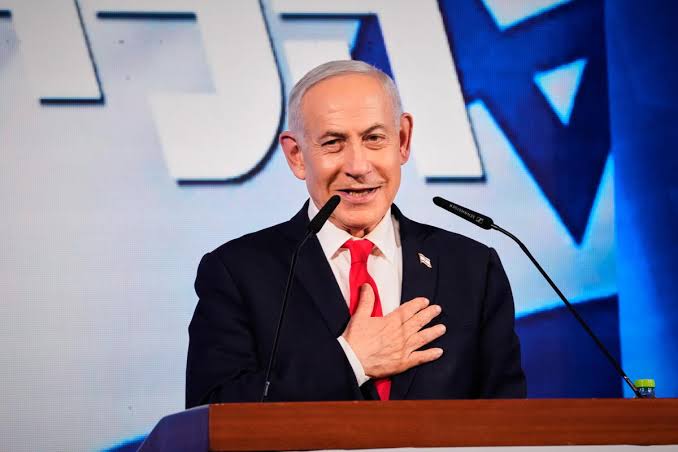
Israeli Prime Minister Benjamin Netanyahu is seeking to remain in power following a closely contested election that left his political bloc short of the majority needed to form a government independently.
With nearly 86 per cent of votes counted, projections from Israel’s main broadcasters placed Netanyahu’s bloc of right-wing, far-right and ultra-Orthodox parties on 53 seats in the 120-member Knesset, against 48 seats for the opposition bloc led by former military chief Gadi Eisenkot.
Arab-led parties were projected to secure 19 seats, potentially giving them significant influence over the formation of the next government. Neither of the two main blocs had reached the 61 seats required for a parliamentary majority.
Netanyahu, who has dominated Israeli politics for much of the past 17 years, called for the formation of a strong right-wing government after the results began emerging.
He highlighted Israel’s military operations and argued that the country had an opportunity to address what he described as the threat posed by Iran, with support from United States President Donald Trump.
Trump had publicly backed Netanyahu ahead of the election, urging Israeli voters to keep him in office.
Despite losing parliamentary seats, Netanyahu’s Likud party remained the largest political force, leaving him better positioned than his main rival to attempt to assemble a governing coalition.
The prime minister is expected to remain in office in a caretaker capacity while Israel’s President Isaac Herzog considers which political leader should be invited to form a government.
Eisenkot, whose opposition alliance had campaigned on removing Netanyahu from office, argued that the results reflected public demand for political change.
He called for accountability over the security failures surrounding the October 7, 2023, Hamas-led attacks on Israel and warned against using national security concerns for political purposes.
However, his route to power also remains complicated because forming a majority could require cooperation with Arab-led parties, an arrangement many Jewish-led political groups have been reluctant to accept.
The projected gains by Arab parties followed unusually high turnout among Arab Israeli voters, who make up more than a fifth of the country’s population.
Their representation could prove decisive in negotiations, although disagreements over security, the war in Gaza and Israel’s national identity may complicate efforts to build a stable coalition.
The election was the first since the October 2023 attacks, which triggered Israel’s military campaign in Gaza and contributed to wider regional conflict involving Lebanon and Iran.
Netanyahu faced criticism during the campaign over the government’s handling of the attacks, his opposition to an independent inquiry into the security failures and disputes over exemptions from military service for ultra-Orthodox Jewish men.
He also continues to face a domestic corruption trial, allegations he denies.
The election results highlighted persistent divisions within Israeli society over security policy, religious influence, military service, settlements in the occupied West Bank and the country’s democratic institutions.
While Netanyahu’s bloc remained ahead in the initial projections, the absence of a parliamentary majority means negotiations could take weeks or months.
Possible outcomes include a broad-based unity government, defections from opposition parties or a prolonged political deadlock that could eventually lead to another election.
Final results were expected within days, after which the president would begin the formal process of determining who could assemble a government capable of winning parliamentary support.
Sponsored

Related stories
 News
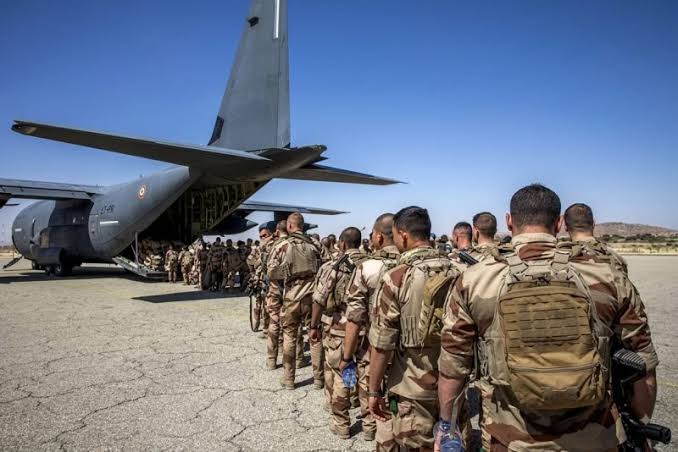
France, Chad Rebuild Military Ties Through Renewed Defence Cooperation
France and Chad are rebuilding military relations through a renewed defence partnership covering training, military expertise, technology and equipment, following Chad’s termination of their longstanding security agreement in 2024.
 News
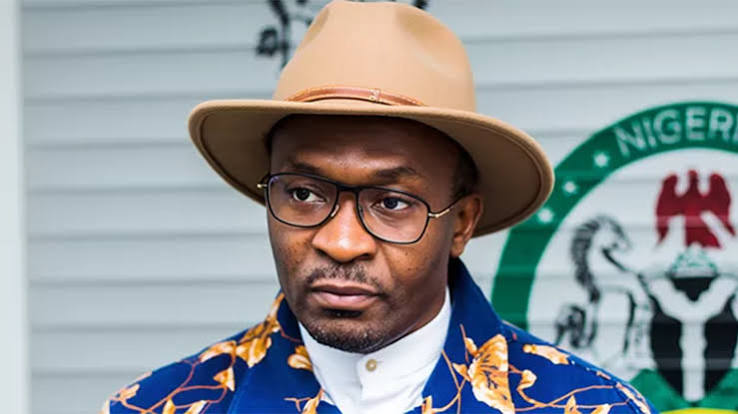
Agbedi Faults Kalu Over Tuition Waiver Motion, Cites House Rules
House Minority Leader Fred Agbedi has faulted Deputy Speaker Benjamin Kalu for inviting the House Leader to address a tuition waiver proposal after it had been stepped down, arguing that the action breached legislative procedure.
 News
NHIA Chief Urges Measurable Results from Health Reforms, Innovations
National Health Insurance Authority Director-General Kelechi Ohiri says Nigeria’s health reforms must deliver measurable improvements in healthcare access and patient outcomes, highlighting interventions supporting women, vulnerable patients and local medical research.
 News
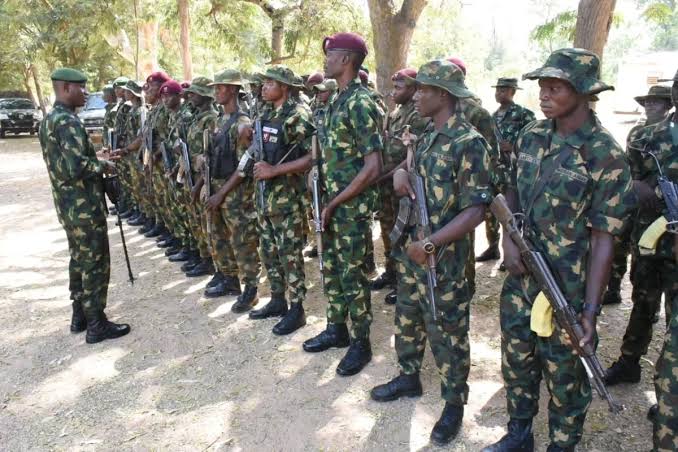
Army Deploys New Battalion, Artillery Regiment to Kano to Tackle Insecurity
The Nigerian Army has deployed the newly established 24 Battalion in Tudun Wada and 311 Artillery Regiment in Dambatta, Kano State, to strengthen its operational presence and improve responses to security threats.
Comments (0)
Leave a comment
All comments are moderated before publishing. Your email is never published.