
NDIC Blames Loan Defaulters for Slowing Bank Debt Recovery
The Nigeria Deposit Insurance Corporation says persistent loan defaults by bank debtors are frustrating efforts to recover outstanding debts from failed financial institutions.
The Director of the Asset Management Department of the Nigeria Deposit Insurance Corporation (NDIC), Ogungbemi Theophilus, disclosed this on Monday at a Stakeholders’ Seminar and Public Relations Workshop in Abuja.
He said some borrowers whose banks had been liquidated wrongly assumed that the revocation of the institutions’ operating licences had relieved them of their repayment obligations. According to him, such debtors deliberately conceal assets, frustrate legal processes and sometimes resort to intimidation to obstruct recovery efforts.
Theophilus stressed that outstanding loans did not become easier to recover following the closure of a bank, noting that delays in debt recovery and asset disposal could significantly reduce the value of properties and investments.
He explained that unoccupied buildings depreciated over time, equipment deteriorated, while unpaid loans became increasingly difficult to recover. He warned that these delays directly affected the corporation’s ability to settle outstanding claims owed to depositors.
The director said the department was responsible for managing loans, physical assets and investments belonging to failed deposit money banks, primary mortgage banks and microfinance banks. Its mandate includes recovering outstanding debts, disposing of properties and investments, and converting recovered assets into funds for depositors.
He noted that depositors of deposit money banks, non-interest banks and mobile money operators were insured up to ₦5m per depositor per bank, while customers of microfinance banks, primary mortgage banks and payment service banks had coverage of up to ₦2m.
According to him, approximately 99 per cent of depositors were fully protected under the existing insurance limits. However, customers with balances above the insured thresholds depended on liquidation dividends generated from recovered loans and realised assets to receive their outstanding funds.
Theophilus also disclosed that the corporation conducted competitive public auctions on November 3 and 4, 2026, to dispose of physical assets belonging to Union Homes Savings and Loans, Heritage Bank and Resort Savings and Loans. The exercises were held across Lagos, Taraba and Adamawa States.
He cautioned against excessive recovery expenses, emphasising that the cost of recovering debts must not exceed the value of the assets or funds recovered. He also warned professionals involved in the process against insider dealings, deliberate undervaluation of assets, collusion with buyers and diversion of proceeds.
The director further announced that the NDIC was developing a comprehensive Asset Management Policy to improve asset identification, documentation, valuation, disposal procedures and accountability.
He added that the corporation would strengthen collaboration with auctioneers, valuers, sales agents, surveyors and other professionals to improve recovery operations and accelerate the settlement of depositors' claims.
The Abuja workshop was part of three stakeholder engagements scheduled to take place in Abuja, Enugu and Lagos to address operational challenges, strengthen professional relationships and improve asset recovery outcomes.
Sponsored

Related stories
 News
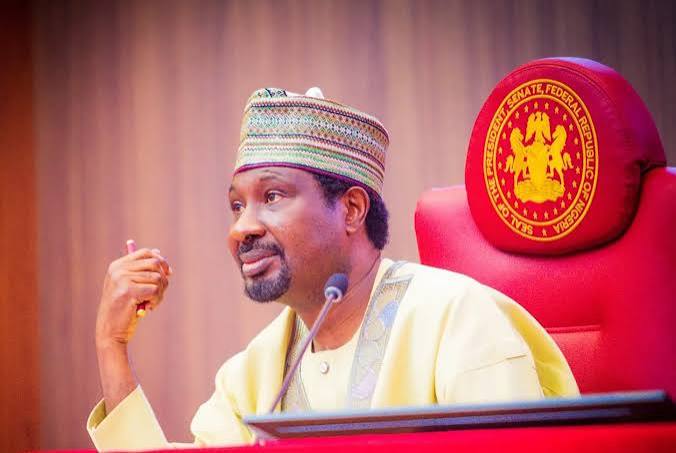
Barau Presents Admission Letters to 85 Postgraduate Scholarship Beneficiaries
Deputy Senate President Barau Jibrin has presented admission letters to 85 beneficiaries of his postgraduate scholarship programme to study at Bayero University, Kano. The scholars will pursue master's degrees in science, technology, engineering and other specialised fields.
 News
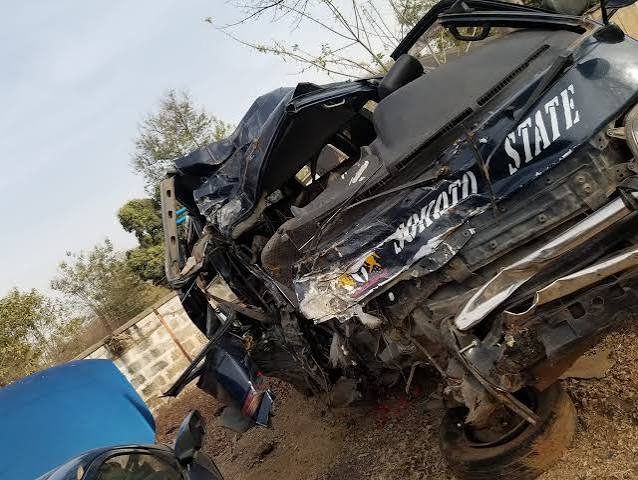
Road Crashes Kill 3,445 Nigerians In Nine Months, FRSC Reports
The Federal Road Safety Corps says 3,445 people died and 22,292 others were injured in 7,156 road crashes across Nigeria between January and September 2026. Excessive speeding and reckless driving were identified as major causes.
 News
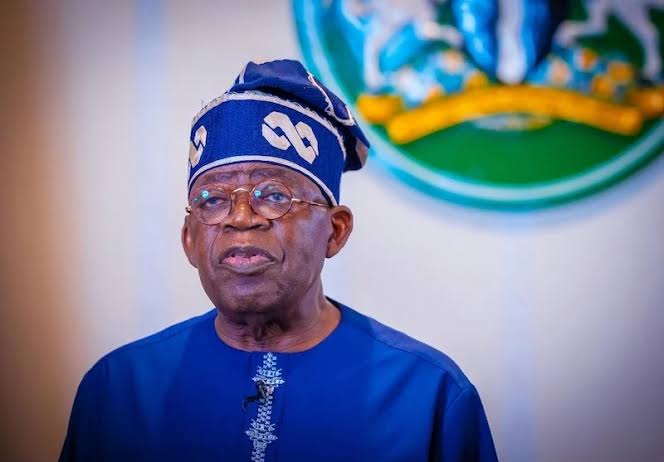
Tinubu Woos Ebonyi Voters, Highlights Administration’s Achievements
President Bola Tinubu has appealed to Ebonyi voters to support his re-election bid in 2027, with Vice-President Kashim Shettima and other APC leaders highlighting federal infrastructure projects and development initiatives in the South-East.
 News
Police Launch Manhunt for Son Accused of Killing Father in Edo
The Edo State Police Command has launched an investigation and search for a man accused of killing his father, an APC chieftain, in Fugar.
Comments (0)
Leave a comment
All comments are moderated before publishing. Your email is never published.